Proud to have stood with India: Russia ahead of Putin’s visit
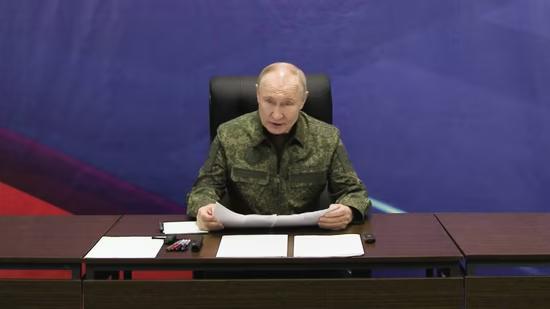
As the world waits with bated breath for the upcoming visit of Russian President Vladimir Putin to India on December 4 and 5, the Kremlin has expressed its enthusiasm and pride in the strong relationship between the two nations. In a statement that highlights the depth and breadth of the Indo-Russia partnership, Kremlin spokesperson Dmitry Peskov praised the relationship with India, saying, “We are proud to have been shoulder to shoulder next to our Indian friends during their historic growth.”
This statement is a testament to the long-standing friendship and cooperation between India and Russia, which has been a cornerstone of India’s foreign policy for decades. The two nations have a long history of collaboration in various fields, including defence, energy, and trade, and have consistently supported each other on the global stage.
One of the key areas of cooperation between India and Russia is defence. The two nations have a strong defence partnership, which includes the joint development and production of the BrahMos missile, a supersonic cruise missile that is considered one of the most advanced in the world. The BrahMos missile has been a game-changer in the region, providing India with a significant deterrent capability and enhancing its national security.
In addition to defence cooperation, India and Russia have also been working together in the field of energy. Russia is one of the largest suppliers of oil and natural gas to India, and the two nations have been exploring ways to increase their energy cooperation, including the development of new oil and gas fields and the construction of pipelines.
The Kremlin spokesperson also highlighted the “bright future” for the strategic partnership between India and Russia, which is expected to be a key focus area during President Putin’s visit. The two nations have been working together to strengthen their economic ties, including through the establishment of a free trade agreement and the promotion of trade and investment.
India and Russia have also been cooperating on regional and global issues, including counter-terrorism, non-proliferation, and climate change. The two nations have been working together to promote peace and stability in the region, and have been supporting each other’s initiatives in international forums such as the United Nations and the BRICS grouping.
President Putin’s visit to India is expected to be a significant milestone in the Indo-Russia relationship, and is likely to see the signing of several agreements and MoUs in areas such as defence, energy, and trade. The visit will also provide an opportunity for the two nations to discuss regional and global issues, and to strengthen their cooperation on key areas of mutual interest.
The relationship between India and Russia is based on a deep understanding and trust between the two nations, which has been built over decades of cooperation and friendship. As the Kremlin spokesperson said, “We are proud to have been shoulder to shoulder next to our Indian friends during their historic growth,” which reflects the strong bond between the two nations and their commitment to supporting each other’s development and growth.
In conclusion, the upcoming visit of President Putin to India is a significant event that is expected to strengthen the Indo-Russia relationship and take it to new heights. The statement by the Kremlin spokesperson reflects the pride and enthusiasm of the Russian government in the strong partnership between the two nations, and highlights the bright future for the strategic partnership between India and Russia.
As the two nations prepare to celebrate their long-standing friendship and cooperation, it is clear that the Indo-Russia relationship is a shining example of how two nations can work together to promote peace, stability, and prosperity in the region and beyond. With a strong foundation of trust and cooperation, the future of the Indo-Russia relationship looks bright, and is likely to play a significant role in shaping the global landscape in the years to come.
About the Author