PM Modi is not happy with me: Trump
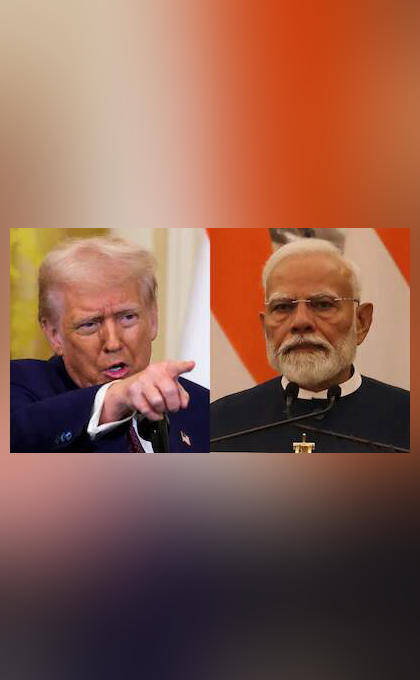
In a surprising revelation, US President Donald Trump stated on Tuesday that Indian Prime Minister Narendra Modi is not happy with him. The reason behind this unhappiness, according to Trump, is the significant amount of tariffs India has been paying on its purchase of Russian oil. This statement comes at a time when the global oil market is witnessing significant fluctuations, and countries are trying to navigate the complex web of international relations and trade agreements.
During his speech, Trump acknowledged that he has a very good relationship with PM Modi, but the issue of Russian oil tariffs has created a rift between the two leaders. Trump said, “I have a very good relationship with PM (Narendra) Modi, but he is not happy with me as India is paying a lot of tariffs over Russian oil purchase.” This statement highlights the challenges of maintaining good relationships between nations, especially when economic interests are at stake.
Trump also mentioned that India has now reduced its purchase of Russian oil substantially. This reduction is likely a result of the tariffs imposed by the US, which has been trying to curb Russia’s oil exports. The US has been imposing sanctions on Russia, and countries that continue to trade with Russia are facing the consequences. India, which has historically been a significant buyer of Russian oil, has been forced to re-evaluate its energy imports.
The issue of Russian oil tariffs is not the only topic that Trump discussed during his speech. He also spoke about selling Apache helicopters to India, which is a significant development in the defense cooperation between the two countries. The sale of Apache helicopters is a testament to the growing strategic partnership between the US and India, with both countries seeking to strengthen their military capabilities.
The relationship between the US and India has been growing stronger in recent years, with both countries cooperating on a range of issues, including defense, trade, and counter-terrorism. However, the issue of Russian oil tariffs has created a point of contention between the two nations. Trump’s statement highlights the challenges of navigating complex international relationships, where economic interests and strategic partnerships often intersect.
It is worth noting that India has been trying to diversify its energy imports, reducing its dependence on any one country or region. The country has been exploring new energy sources, including renewable energy, to meet its growing energy demands. However, the issue of Russian oil tariffs remains a significant challenge, and India will need to navigate this complex issue carefully to maintain its relationships with both the US and Russia.
The US has been trying to curb Russia’s oil exports, and countries that continue to trade with Russia are facing the consequences. The US has imposed sanctions on Russia, and India’s decision to reduce its purchase of Russian oil is likely a result of these sanctions. However, this reduction in oil imports from Russia may have significant implications for India’s energy security, and the country will need to find alternative sources of energy to meet its growing demands.
In conclusion, Trump’s statement highlights the complexities of international relationships, where economic interests and strategic partnerships often intersect. The issue of Russian oil tariffs has created a point of contention between the US and India, two countries that have been growing closer in recent years. As the global oil market continues to evolve, countries will need to navigate these complex issues carefully to maintain their relationships and ensure their energy security.
The sale of Apache helicopters to India is a significant development in the defense cooperation between the two countries, and it highlights the growing strategic partnership between the US and India. However, the issue of Russian oil tariffs remains a significant challenge, and India will need to navigate this complex issue carefully to maintain its relationships with both the US and Russia.
As the world’s largest democracies, the US and India have a significant role to play in shaping the global economy and international relations. The relationship between the two countries is critical, and both nations will need to work together to address the challenges posed by the issue of Russian oil tariffs.
In the end, Trump’s statement highlights the complexities of international relationships, where economic interests and strategic partnerships often intersect. The issue of Russian oil tariffs is a significant challenge, and countries will need to navigate this complex issue carefully to maintain their relationships and ensure their energy security.
About the Author