PM Modi is not happy with me: Trump
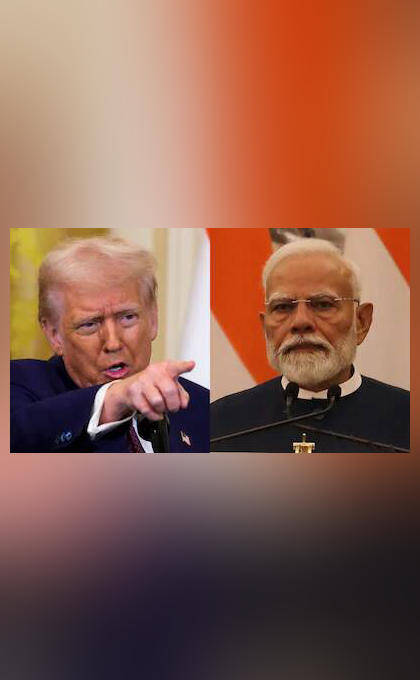
In a surprising revelation, US President Donald Trump stated on Tuesday that Indian Prime Minister Narendra Modi is not happy with him. The reason behind this discontent, according to Trump, is the significant amount of tariffs India is paying on the purchase of Russian oil. This statement came during a speech where Trump discussed his relationship with Modi and the current state of trade between the two nations.
Trump began by acknowledging the strong bond he shares with Modi, saying, “I have a very good relationship with PM (Narendra) Modi.” However, he quickly shifted his focus to the issue at hand, stating that Modi is not pleased with him due to the substantial tariffs India is paying on Russian oil imports. This statement highlights the complexities of international trade and diplomacy, where even the closest of relationships can be strained by economic interests.
The US President also claimed that India has now reduced its purchase of Russian oil substantially. This reduction can be seen as a direct response to the tariffs imposed by the US, as well as a strategic move by India to navigate the intricate web of global trade. By reducing its dependence on Russian oil, India may be attempting to mitigate the effects of these tariffs and explore alternative sources of energy.
In addition to discussing the Russian oil tariffs, Trump also touched upon the topic of defense cooperation between the US and India. He mentioned the sale of Apache helicopters to India, which is a significant development in the bilateral relationship between the two nations. The Apache helicopter is a state-of-the-art aircraft, renowned for its versatility and combat prowess. The sale of these helicopters to India demonstrates the growing defense partnership between the US and India, as well as the willingness of both nations to cooperate on matters of mutual interest.
The relationship between the US and India has been a subject of significant attention in recent years. Both nations have been working to strengthen their ties, with a focus on trade, defense, and strategic cooperation. However, the issue of Russian oil tariffs has created a rift in this otherwise strong partnership. Trump’s statement highlights the challenges that arise when economic interests clash with diplomatic relationships.
It is worth noting that India’s decision to purchase oil from Russia has been a point of contention between the US and India. The US has imposed sanctions on Russia, and countries that continue to trade with Russia may face repercussions. India’s decision to reduce its purchase of Russian oil can be seen as an attempt to appease the US and avoid any potential backlash.
The sale of Apache helicopters to India is a significant development in the context of defense cooperation between the two nations. The Apache helicopter is a highly advanced aircraft, capable of performing a variety of tasks, including combat, reconnaissance, and transport. The sale of these helicopters demonstrates the growing trust and cooperation between the US and India, as well as the willingness of both nations to work together on matters of mutual interest.
In conclusion, Trump’s statement about PM Modi not being happy with him highlights the complexities of international trade and diplomacy. The issue of Russian oil tariffs has created a rift in the otherwise strong partnership between the US and India. However, the sale of Apache helicopters to India demonstrates the growing defense cooperation between the two nations and the willingness of both countries to work together on matters of mutual interest.
As the relationship between the US and India continues to evolve, it will be interesting to see how both nations navigate the challenges posed by economic interests and diplomatic relationships. The reduction in India’s purchase of Russian oil and the sale of Apache helicopters are significant developments that highlight the complexities of international trade and diplomacy.
The future of the US-India relationship will depend on the ability of both nations to balance their economic interests with their diplomatic relationships. As the world’s largest democracy and the world’s largest economy, the US and India have a significant role to play in shaping the global landscape. By working together and navigating the complexities of international trade and diplomacy, both nations can strengthen their partnership and achieve their goals.
About the Author