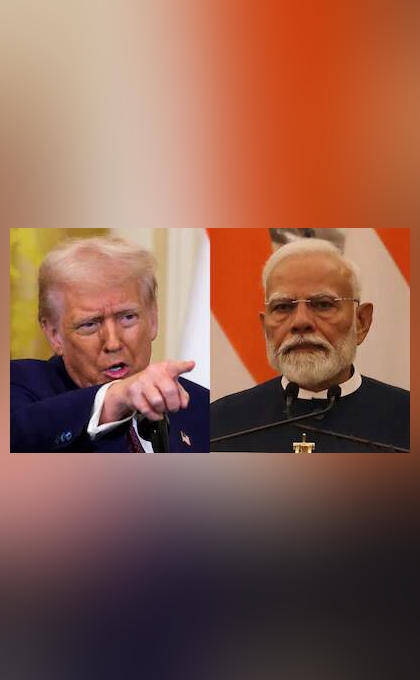
PM Modi is not happy with me: Trump
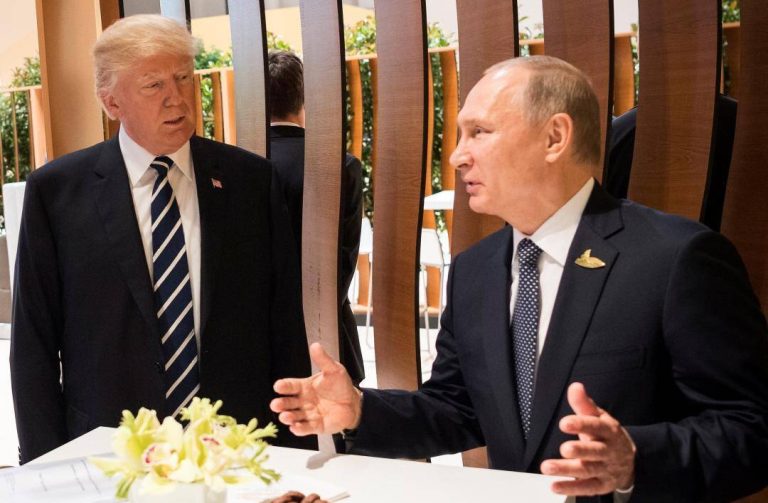
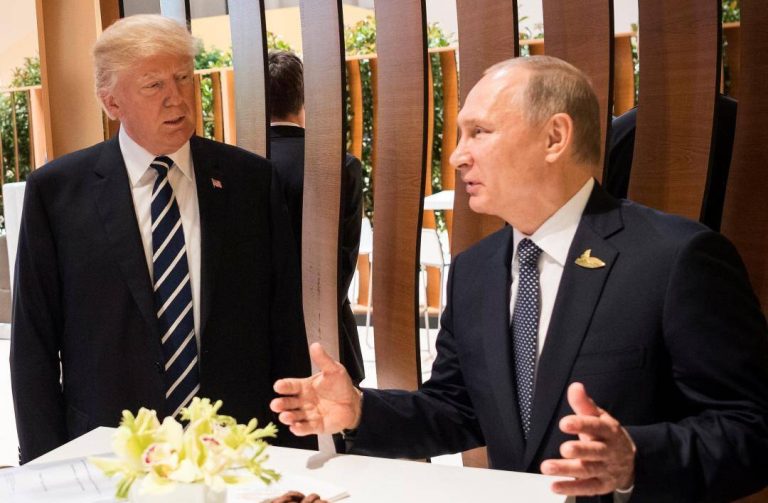
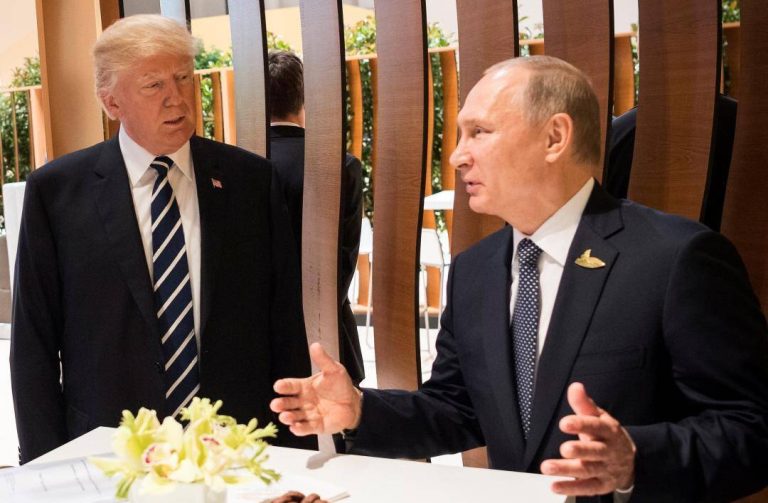
In a recent speech on Tuesday, US President Donald Trump made a surprising revelation about his relationship with Indian Prime Minister Narendra Modi. Despite claiming to have a “very good relationship” with the Indian leader, Trump stated that Modi is not happy with him. The reason for this discontent, according to Trump, is India’s significant purchase of Russian oil, which has resulted in the country paying a substantial amount of tariffs.
Trump’s statement has sparked interest and speculation about the current state of Indo-US relations, particularly in the context of international trade and diplomacy. The US President’s comments come at a time when India is navigating a complex web of global alliances and partnerships, including its relationships with major powers like the United States, Russia, and China.
During his speech, Trump acknowledged that India has now reduced its purchase of Russian oil “substantially.” This development is likely to be seen as a positive step by the US, which has been critical of countries that continue to engage in trade with Russia despite international sanctions. The US has been actively encouraging its allies and partners to reduce their dependence on Russian energy exports, as part of its efforts to isolate Moscow and pressure it to change its behavior on the global stage.
In addition to discussing India’s Russian oil purchases, Trump also mentioned the sale of Apache helicopters to India. This deal is part of a broader effort by the US to strengthen its defense partnership with India, which is seen as a key player in the Indo-Pacific region. The Apache helicopter is a advanced multi-role combat aircraft that is widely used by the US military, and its sale to India is expected to enhance the country’s military capabilities and interoperability with US forces.
Trump’s comments on his relationship with Modi and India’s Russian oil purchases highlight the complexities and nuances of international diplomacy. Despite the close personal rapport between the two leaders, there are clearly areas of tension and disagreement between their countries. The US has been pushing India to reduce its dependence on Russian energy exports and to comply with international sanctions, while India has been seeking to maintain its strategic autonomy and flexibility in its relationships with major powers.
The issue of Russian oil purchases is a sensitive one for India, which has historically maintained close ties with Moscow. India has been one of the largest buyers of Russian oil, and its purchases have helped to cushion the impact of international sanctions on the Russian economy. However, the US has been critical of India’s decision to continue buying Russian oil, arguing that it undermines the effectiveness of international sanctions and provides a lifeline to the Russian government.
In response to US pressure, India has begun to diversify its energy imports and reduce its dependence on Russian oil. The country has signed agreements with other major oil-producing countries, including the United States, Saudi Arabia, and the United Arab Emirates, and has been exploring new sources of energy, including renewable energy and liquefied natural gas. These efforts are expected to help India reduce its vulnerability to fluctuations in global energy markets and to enhance its energy security.
The sale of Apache helicopters to India is a significant development in the context of Indo-US defense relations. The Apache is a highly advanced aircraft that is capable of performing a range of combat missions, including anti-tank warfare, air support, and reconnaissance. The sale of these aircraft to India is expected to enhance the country’s military capabilities and interoperability with US forces, and to strengthen the bilateral defense partnership between the two countries.
In conclusion, Trump’s comments on his relationship with Modi and India’s Russian oil purchases highlight the complexities and nuances of international diplomacy. Despite the close personal rapport between the two leaders, there are clearly areas of tension and disagreement between their countries. The US has been pushing India to reduce its dependence on Russian energy exports and to comply with international sanctions, while India has been seeking to maintain its strategic autonomy and flexibility in its relationships with major powers. As the global geopolitical landscape continues to evolve, it will be interesting to see how the Indo-US relationship develops in the coming years.
About the Author