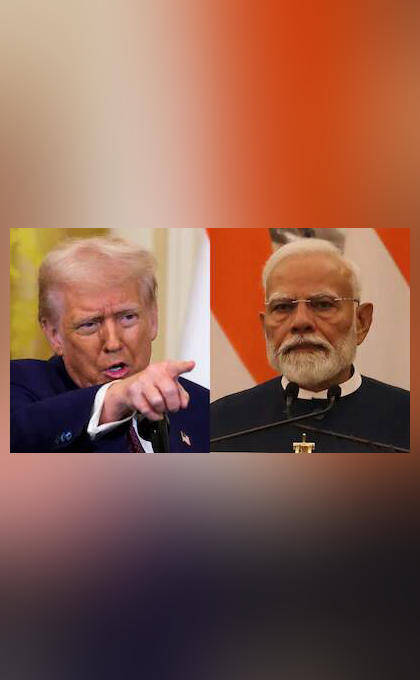
PM Modi is not happy with me: Trump
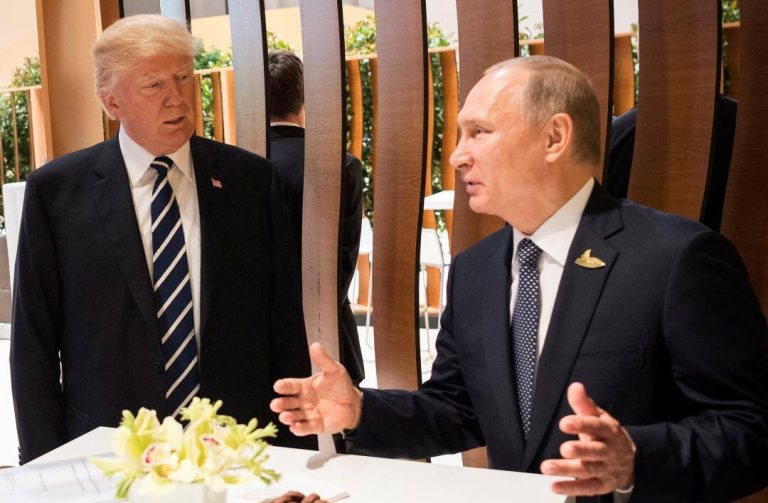
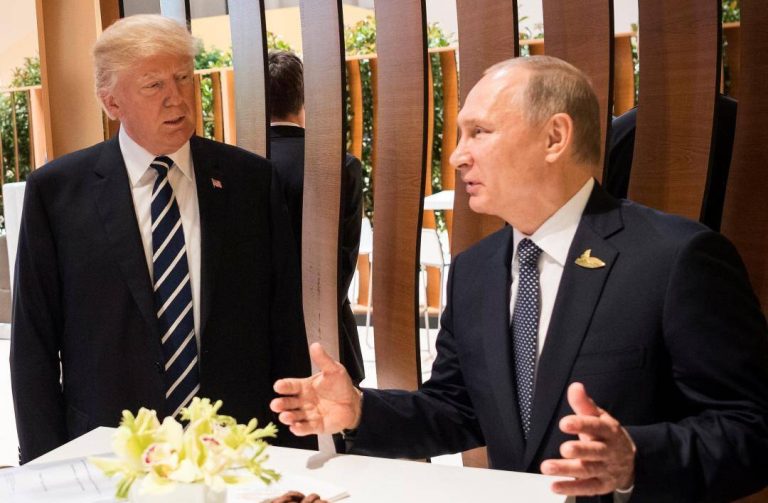
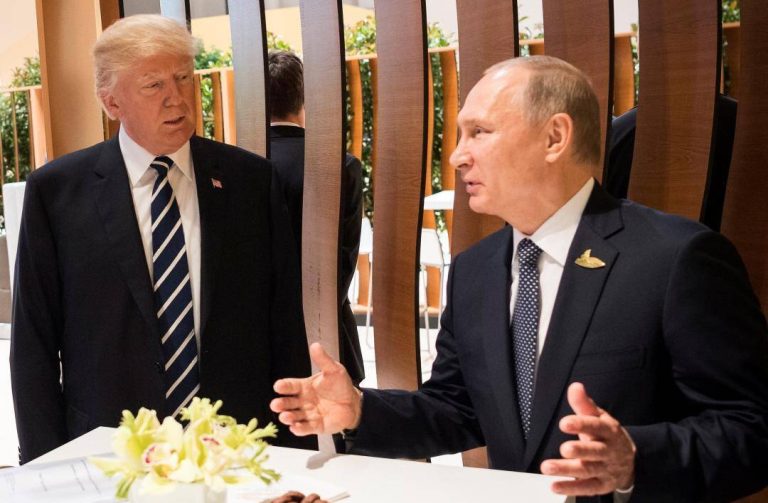
In a recent speech on Tuesday, US President Donald Trump made a surprising statement about his relationship with Indian Prime Minister Narendra Modi. Despite claiming to have a “very good relationship” with PM Modi, Trump revealed that the Indian leader is not happy with him. The reason behind this dissatisfaction, according to Trump, is India’s significant purchase of Russian oil, which has resulted in the country paying a substantial amount of tariffs.
Trump’s statement has sparked interest and raised questions about the current state of Indo-US relations. The US President’s admission that PM Modi is not happy with him suggests that there may be underlying tensions between the two nations, particularly with regards to trade and energy policies. In this blog post, we will delve deeper into Trump’s statement, explore the context behind India’s purchase of Russian oil, and examine the potential implications of this development on Indo-US relations.
India’s purchase of Russian oil
In recent years, India has emerged as one of the largest buyers of Russian oil. This is largely due to the country’s growing energy needs and its efforts to diversify its energy sources. Russia has been keen to increase its oil exports to India, and the two countries have negotiated several deals to facilitate the purchase of Russian oil. However, this has not gone down well with the US, which has imposed sanctions on Russia and has been critical of countries that continue to do business with Moscow.
The US has been trying to persuade India to reduce its dependence on Russian oil and instead opt for American energy exports. However, India has been reluctant to comply, citing its energy security needs and the competitive pricing of Russian oil. The tariffs imposed on Indian imports of Russian oil have been a major point of contention between the two countries, with India arguing that these tariffs are unfair and discriminatory.
Trump’s statement
During his speech, Trump acknowledged that India has now reduced its purchase of Russian oil substantially. This is seen as a significant development, as it suggests that India is beginning to heed the US’s concerns about its energy imports. However, Trump’s statement also implies that PM Modi is not happy with the US President, presumably due to the tariffs imposed on Indian imports of Russian oil.
Trump’s admission that PM Modi is not happy with him is a rare instance of a US President acknowledging a disagreement with a foreign leader. It suggests that the two leaders may have had a frank and candid discussion about their differences, and that Trump is aware of the need to address India’s concerns about the tariffs.
Selling Apache helicopters to India
In addition to his statement about PM Modi, Trump also spoke about selling Apache helicopters to India. This is part of a broader effort by the US to increase its defense exports to India and to strengthen the two countries’ strategic partnership. The sale of Apache helicopters is seen as a significant development, as it will enhance India’s military capabilities and provide a boost to its defense modernization efforts.
The sale of Apache helicopters is also seen as a symbol of the growing Indo-US defense partnership. The US has been keen to increase its defense exports to India, and the two countries have negotiated several deals in recent years. The sale of Apache helicopters is part of a larger effort by the US to provide India with advanced military technology and to help the country address its defense needs.
Implications for Indo-US relations
Trump’s statement about PM Modi has significant implications for Indo-US relations. It suggests that there may be underlying tensions between the two countries, particularly with regards to trade and energy policies. The tariffs imposed on Indian imports of Russian oil have been a major point of contention, and Trump’s admission that PM Modi is not happy with him implies that this issue has not been fully resolved.
The sale of Apache helicopters to India is a positive development, but it is unlikely to fully address the tensions between the two countries. The US and India need to work together to address their differences and to find a mutually beneficial solution to the trade and energy issues that have been plaguing their relationship.
Conclusion
In conclusion, Trump’s statement about PM Modi has shed new light on the current state of Indo-US relations. The US President’s admission that PM Modi is not happy with him suggests that there may be underlying tensions between the two countries, particularly with regards to trade and energy policies. The sale of Apache helicopters to India is a positive development, but it is unlikely to fully address the tensions between the two countries.
As the US and India continue to navigate their complex and multifaceted relationship, it is essential that they work together to address their differences and to find a mutually beneficial solution to the trade and energy issues that have been plaguing their relationship. This will require a concerted effort from both countries, as well as a willingness to listen to each other’s concerns and to find common ground.
About the Author