Pakistan supports terror, not welcome in Gaza: Israel after Pak joins Trump’s ‘Board of Peace’
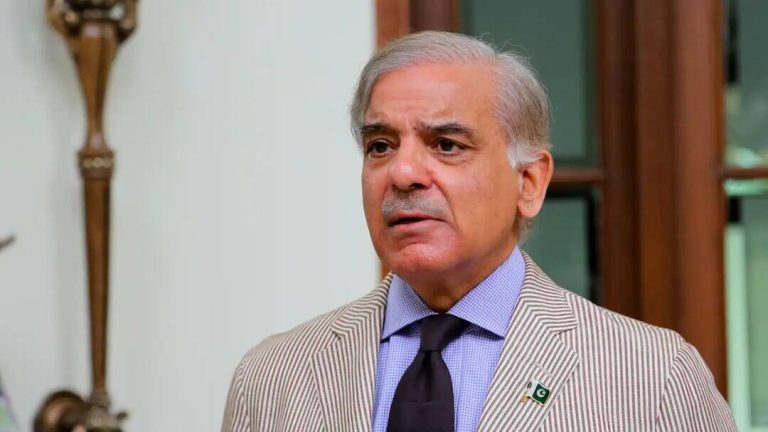
The recent announcement of Pakistan joining US President Donald Trump’s ‘Board of Peace’ for Gaza has sparked a strong reaction from Israel. The country’s Economy Minister, Nir Barkat, has made it clear that Pakistan is not welcome in Gaza due to its alleged support for terrorism. This statement has highlighted the deep-seated tensions between Israel and Pakistan, and has raised questions about the effectiveness of Trump’s peace initiative.
According to Barkat, “Any country that supported terror is not welcome [in Gaza]…and that includes Pakistan.” This statement is a clear indication of Israel’s concerns about Pakistan’s involvement in the region. Israel has long accused Pakistan of supporting terrorist groups, including those operating in Kashmir and other parts of the world. The country’s intelligence agency, Mossad, has also been critical of Pakistan’s alleged support for terrorist organizations.
However, it’s worth noting that Pakistan has consistently denied these allegations, and has maintained that it is committed to fighting terrorism in all its forms. The country has also been a key player in international efforts to combat terrorism, and has worked closely with other countries to share intelligence and best practices.
Despite these denials, Israel remains skeptical about Pakistan’s intentions. Barkat’s statement is a clear reflection of this skepticism, and highlights the deep-seated mistrust between the two countries. The Israeli minister’s comments have also sparked a heated debate about the role of Pakistan in the Middle East peace process.
On the other hand, Barkat has strongly supported the Trump administration’s peace framework, describing it as “a better alternative than the UN, which is biased.” This statement is a clear indication of Israel’s support for the US-led peace initiative, which aims to bring stability and prosperity to the region. The Trump administration’s plan has been widely criticized by Palestinian leaders and other countries in the region, who argue that it is biased towards Israel and ignores the legitimate rights and concerns of the Palestinian people.
The US plan, which was unveiled earlier this year, proposes the creation of a Palestinian state with limited sovereignty, and allows Israel to maintain control over key aspects of Palestinian life, including security and borders. The plan has been rejected by Palestinian leaders, who argue that it is a non-starter and ignores the fundamental principles of international law.
Despite these criticisms, the Trump administration remains committed to its peace initiative, and has been working closely with other countries in the region to build support for the plan. The inclusion of Pakistan in the ‘Board of Peace’ is seen as a key part of this effort, and is intended to bring a new perspective and set of skills to the table.
However, as Barkat’s statement makes clear, Israel is not convinced that Pakistan is the right partner for this effort. The country’s alleged support for terrorism is a major concern, and has raised questions about its ability to play a constructive role in the peace process.
In conclusion, the recent announcement of Pakistan’s inclusion in the ‘Board of Peace’ has sparked a strong reaction from Israel, with Economy Minister Nir Barkat making it clear that the country is not welcome in Gaza due to its alleged support for terrorism. While Pakistan has denied these allegations, Israel remains skeptical about its intentions, and has raised questions about its role in the Middle East peace process.
As the situation continues to unfold, it remains to be seen whether Pakistan’s inclusion in the ‘Board of Peace’ will help to bring stability and prosperity to the region, or whether it will simply add to the tensions and conflicts that already exist. One thing is clear, however: the path to peace in the Middle East will be long and difficult, and will require the cooperation and commitment of all parties involved.
About the Author