Pakistan supports terror, not welcome in Gaza: Israel after Pak joins Trump’s ‘Board of Peace’
The recent development in the Middle East peace process has sparked a heated debate, with Israel’s Economy Minister Nir Barkat making a strong statement against Pakistan’s involvement in the region. After Pakistan joined US President Donald Trump’s ‘Board of Peace’ for Gaza, Barkat expressed his disapproval, stating that any country that supports terror is not welcome in Gaza, and that includes Pakistan. This statement has significant implications for the region and highlights the complex dynamics at play in the Middle East peace process.
The ‘Board of Peace’ is an initiative launched by the Trump administration to promote economic development and peace in the Gaza region. The board aims to bring together countries from around the world to invest in the region and help create a more stable and prosperous future for its inhabitants. However, Israel’s Economy Minister Nir Barkat has made it clear that not all countries are welcome to participate in this initiative, particularly those that have a history of supporting terrorism.
Barkat’s statement is a clear reference to Pakistan’s alleged support for terrorist organizations, which has been a longstanding concern for Israel and other countries in the region. Pakistan has consistently denied these allegations, but the country’s history of harboring and supporting extremist groups has raised suspicions and concerns among its neighbors and the international community.
Despite his strong stance against Pakistan’s involvement, Barkat expressed his support for the Trump administration’s peace framework, describing it as “a better alternative than the UN, which is biased.” This statement reflects Israel’s long-standing frustration with the United Nations, which it perceives as being biased against the Jewish state. The Trump administration’s peace initiative, on the other hand, is seen as a more neutral and effective approach to promoting peace in the region.
The Trump administration’s peace plan, which was unveiled earlier this year, aims to create a framework for peace between Israel and the Palestinians. The plan includes a series of economic and political initiatives, including the creation of a $50 billion economic fund to invest in the region. The plan has been met with skepticism by some, particularly the Palestinians, who have expressed concerns that it does not adequately address their needs and concerns.
However, the plan has also been praised by some, including Israel’s Economy Minister Nir Barkat, who sees it as a positive step towards promoting peace and stability in the region. Barkat’s support for the plan is significant, as it reflects Israel’s willingness to engage with the Trump administration and work towards a peaceful resolution to the conflict.
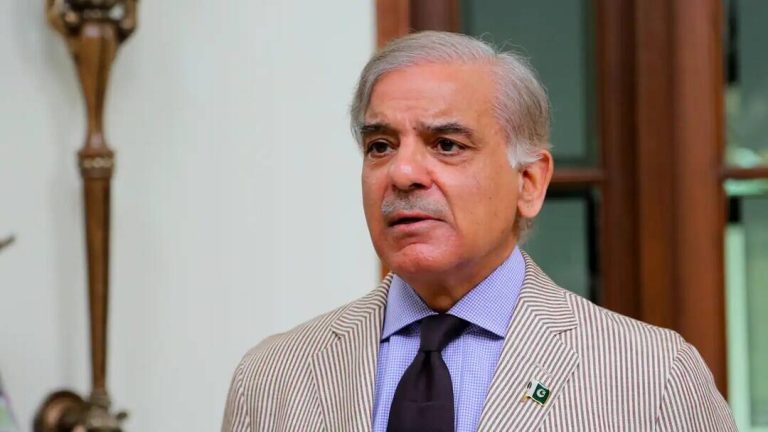
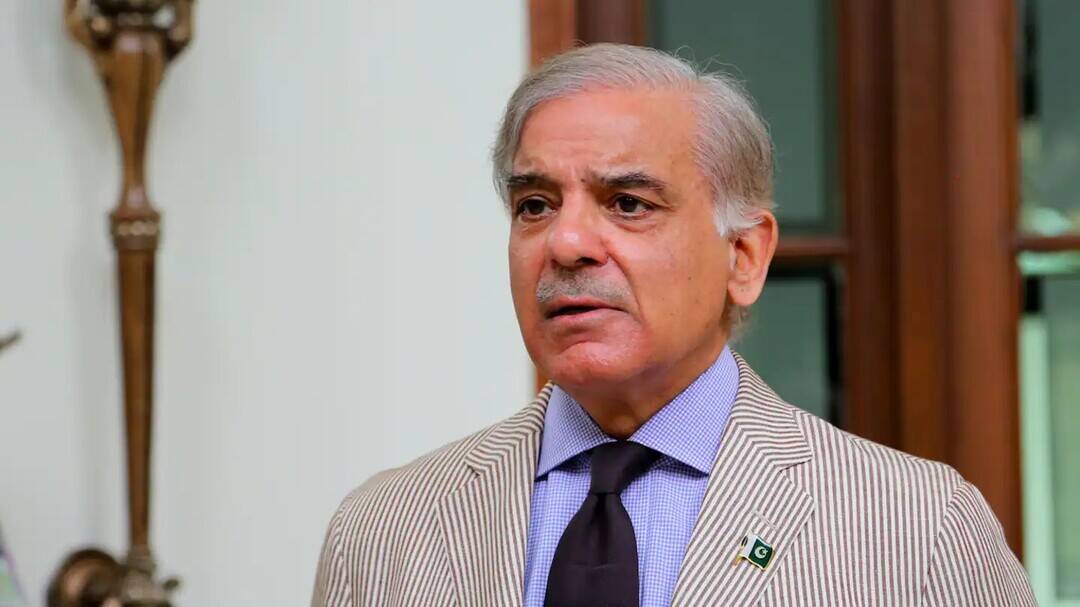
In contrast, Pakistan’s decision to join the ‘Board of Peace’ has been met with skepticism by Israel, which sees it as an attempt to legitimize the country’s involvement in the region. Pakistan’s Prime Minister, Shehbaz Sharif, has been a vocal supporter of the Palestinian cause, and his country’s decision to join the ‘Board of Peace’ is seen as an attempt to strengthen its ties with the Palestinians and promote its own interests in the region.
However, Israel’s Economy Minister Nir Barkat has made it clear that Pakistan’s involvement is not welcome, citing the country’s alleged support for terrorism as the reason. This statement reflects the deep-seated mistrust and suspicion that exists between Israel and Pakistan, and highlights the challenges that lie ahead for the Middle East peace process.
In conclusion, the recent development in the Middle East peace process has sparked a heated debate, with Israel’s Economy Minister Nir Barkat making a strong statement against Pakistan’s involvement in the region. While the Trump administration’s peace initiative has been praised by some, it has also been met with skepticism by others, particularly the Palestinians. As the region continues to navigate the complex and challenging landscape of the Middle East peace process, it is clear that there are many obstacles that must be overcome before a lasting and meaningful peace can be achieved.
About the Author