Pakistan supports terror, not welcome in Gaza: Israel after Pak joins Trump’s ‘Board of Peace’
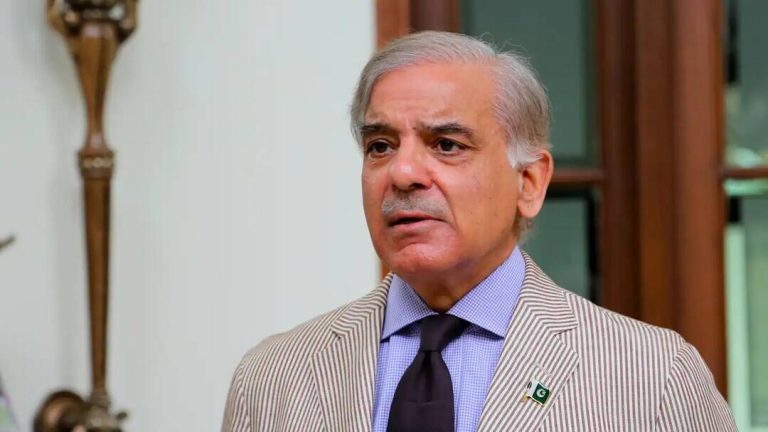
In a recent development, Pakistan’s decision to join US President Donald Trump’s ‘Board of Peace’ for Gaza has been met with strong criticism from Israel. The Israeli government has made it clear that any country that supports terror is not welcome in Gaza, and that includes Pakistan. This statement comes from Israel’s Economy Minister Nir Barkat, who has been vocal about his country’s stance on the matter.
The ‘Board of Peace’ is an initiative launched by the Trump administration to promote peace and stability in the Gaza region. The board aims to bring together countries from around the world to discuss and implement economic development projects in Gaza, with the ultimate goal of improving the lives of the Palestinian people. However, Israel’s Economy Minister Nir Barkat has expressed his concerns about Pakistan’s involvement in the initiative, citing the country’s history of supporting terrorism.
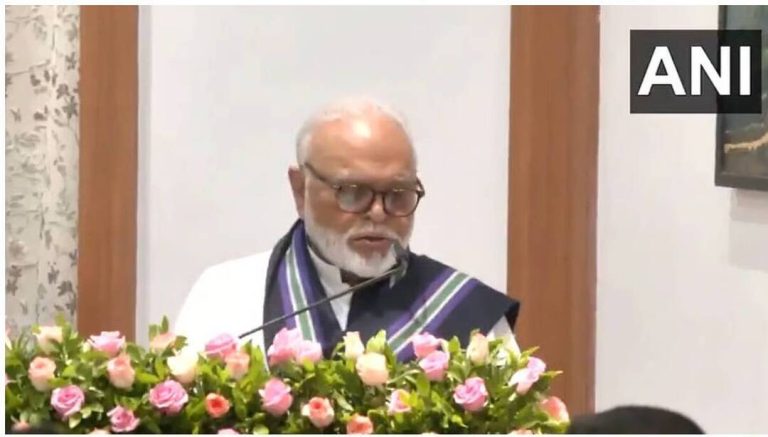
“Any country that supported terror is not welcome [in Gaza]…and that includes Pakistan,” Barkat said in a statement. This statement is a clear indication of Israel’s stance on Pakistan’s involvement in the ‘Board of Peace’. Barkat’s comments are not surprising, given the long-standing tensions between Israel and Pakistan. The two countries have had a complex and often contentious relationship, with Pakistan being a strong supporter of the Palestinian cause.
Despite his criticism of Pakistan’s involvement, Barkat has expressed his strong support for the Trump administration’s peace framework. He described it as “a better alternative than the UN, which is biased” towards the Palestinians. This statement highlights the complexities of the Israeli-Palestinian conflict, with different countries and organizations having their own biases and agendas.
The Israeli-Palestinian conflict is one of the most enduring and complex conflicts in the world. It is a conflict that has been ongoing for decades, with both sides having their own claims and grievances. The conflict has resulted in the loss of thousands of lives, the displacement of millions of people, and the destruction of entire communities. The international community has been trying to find a solution to the conflict, but so far, no lasting peace has been achieved.
The Trump administration’s peace framework is the latest attempt to find a solution to the conflict. The framework proposes a series of economic development projects in Gaza, including the construction of a new port and the development of the region’s tourism industry. The framework also proposes the establishment of a new Palestinian state, with its capital in East Jerusalem.
However, the framework has been met with criticism from many quarters. The Palestinian Authority has rejected the framework, saying that it does not address the core issues of the conflict, such as the status of Jerusalem and the right of return for Palestinian refugees. Other countries, including Pakistan, have also expressed their reservations about the framework.
Pakistan’s decision to join the ‘Board of Peace’ is seen as a significant development in the region. Pakistan has long been a strong supporter of the Palestinian cause, and its involvement in the ‘Board of Peace’ is seen as a way of promoting peace and stability in the region. However, Israel’s criticism of Pakistan’s involvement highlights the complexities of the conflict and the challenges that lie ahead.
In conclusion, the Israeli-Palestinian conflict is a complex and enduring conflict that requires a comprehensive and lasting solution. The Trump administration’s peace framework is the latest attempt to find a solution to the conflict, but it has been met with criticism from many quarters. Pakistan’s decision to join the ‘Board of Peace’ is seen as a significant development in the region, but Israel’s criticism of its involvement highlights the challenges that lie ahead.
As the international community continues to search for a solution to the conflict, it is essential to recognize the complexities of the issue and the need for a comprehensive and lasting solution. The conflict requires a solution that addresses the core issues, such as the status of Jerusalem and the right of return for Palestinian refugees. It also requires a solution that promotes economic development and stability in the region.
In the end, the solution to the Israeli-Palestinian conflict will require the involvement and cooperation of all parties, including Israel, the Palestinians, and the international community. It will require a willingness to compromise and to find a solution that works for everyone. As the world continues to watch the developments in the region, one thing is clear: the Israeli-Palestinian conflict is a complex and enduring conflict that requires a comprehensive and lasting solution.
About the Author