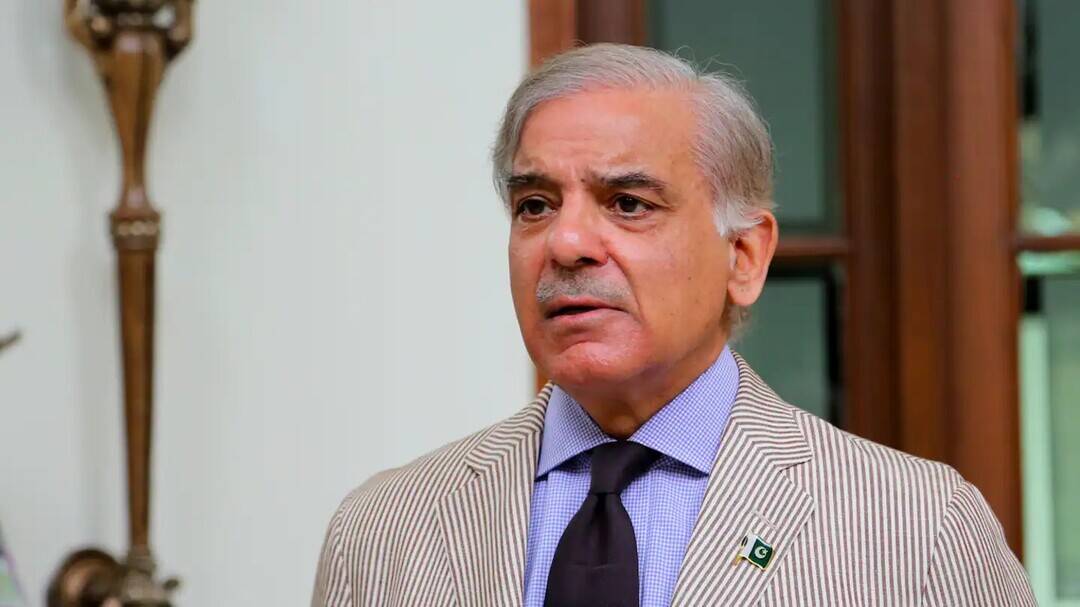
Pakistan supports terror, not welcome in Gaza: Israel after Pak joins Trump’s ‘Board of Peace’
The recent development in the Middle East has sparked a new wave of controversy, with Israel’s Economy Minister Nir Barkat slamming Pakistan for its alleged support of terrorism. The statement came after Pakistan joined US President Donald Trump’s ‘Board of Peace’ for Gaza, a move that has been met with criticism from Israel. According to Barkat, “Any country that supported terror is not welcome [in Gaza]…and that includes Pakistan.” This bold statement has highlighted the deep-seated tensions between Israel and Pakistan, with the former accusing the latter of backing terrorist organizations.
The ‘Board of Peace’ is a part of Trump’s peace framework for the Middle East, which aims to bring stability and prosperity to the region. The initiative has been met with mixed reactions, with some countries praising the effort and others criticizing it for being biased. Pakistan’s decision to join the ‘Board of Peace’ has been seen as a significant development, given its historical ties with the Palestinian cause. However, Israel’s reaction to this move has been overwhelmingly negative, with Barkat emphasizing that countries that support terrorism have no place in the peace process.
Barkat’s comments are not surprising, given Israel’s long-standing concerns about Pakistan’s alleged support of terrorist groups. Israel has consistently accused Pakistan of providing a safe haven to militant organizations, including those that operate in the Middle East. The country’s ties with Hamas, a Palestinian Islamist group that has been designated as a terrorist organization by several countries, including the United States, have been a major point of contention. Pakistan’s alleged support of Hamas has been seen as a major obstacle to peace in the region, with Israel insisting that any country that backs terrorism cannot be a part of the peace process.
Despite his criticism of Pakistan, Barkat strongly supported the Trump administration’s peace framework, describing it as “a better alternative than the UN, which is biased.” This statement reflects Israel’s long-standing frustration with the United Nations, which it sees as being overly critical of its actions in the Middle East. The UN has been a major player in the Middle East peace process, with its various agencies and programs working to promote stability and development in the region. However, Israel has often accused the UN of being biased against it, with many of its resolutions and statements being seen as overly critical of the country’s actions.
The Trump administration’s peace framework has been seen as a significant departure from traditional approaches to the Middle East peace process. The plan, which was unveiled in January 2020, has been met with criticism from many countries, including those in the Arab world. The plan’s emphasis on economic development and its lack of focus on the core issues of the conflict, such as the status of Jerusalem and the right of return for Palestinian refugees, have been major points of contention. However, the plan has also been praised for its innovative approach to the peace process, with many seeing it as a fresh start after years of stagnation.
Pakistan’s decision to join the ‘Board of Peace’ has been seen as a significant development, given its historical ties with the Palestinian cause. Pakistan has long been a vocal supporter of the Palestinian people, with many in the country seeing the Israeli-Palestinian conflict as a major injustice. The country’s decision to join the ‘Board of Peace’ has been seen as a way of promoting peace and stability in the region, with many hoping that it will help to bring the parties together and find a lasting solution to the conflict.
However, Israel’s reaction to Pakistan’s decision has been overwhelmingly negative, with many seeing it as a major obstacle to peace. The country’s alleged support of terrorism has been a major point of contention, with Israel insisting that any country that backs militant organizations cannot be a part of the peace process. This has created a major dilemma for the Trump administration, which is trying to promote its peace framework while also addressing the concerns of its allies in the region.
In conclusion, the recent developments in the Middle East have highlighted the deep-seated tensions between Israel and Pakistan. Israel’s Economy Minister Nir Barkat has slammed Pakistan for its alleged support of terrorism, stating that any country that backs militant organizations is not welcome in the peace process. While Barkat has strongly supported the Trump administration’s peace framework, his comments have highlighted the major obstacles that need to be overcome if peace is to be achieved in the region. As the situation continues to unfold, it remains to be seen how the Trump administration will address the concerns of its allies while also promoting its peace framework.
About the Author