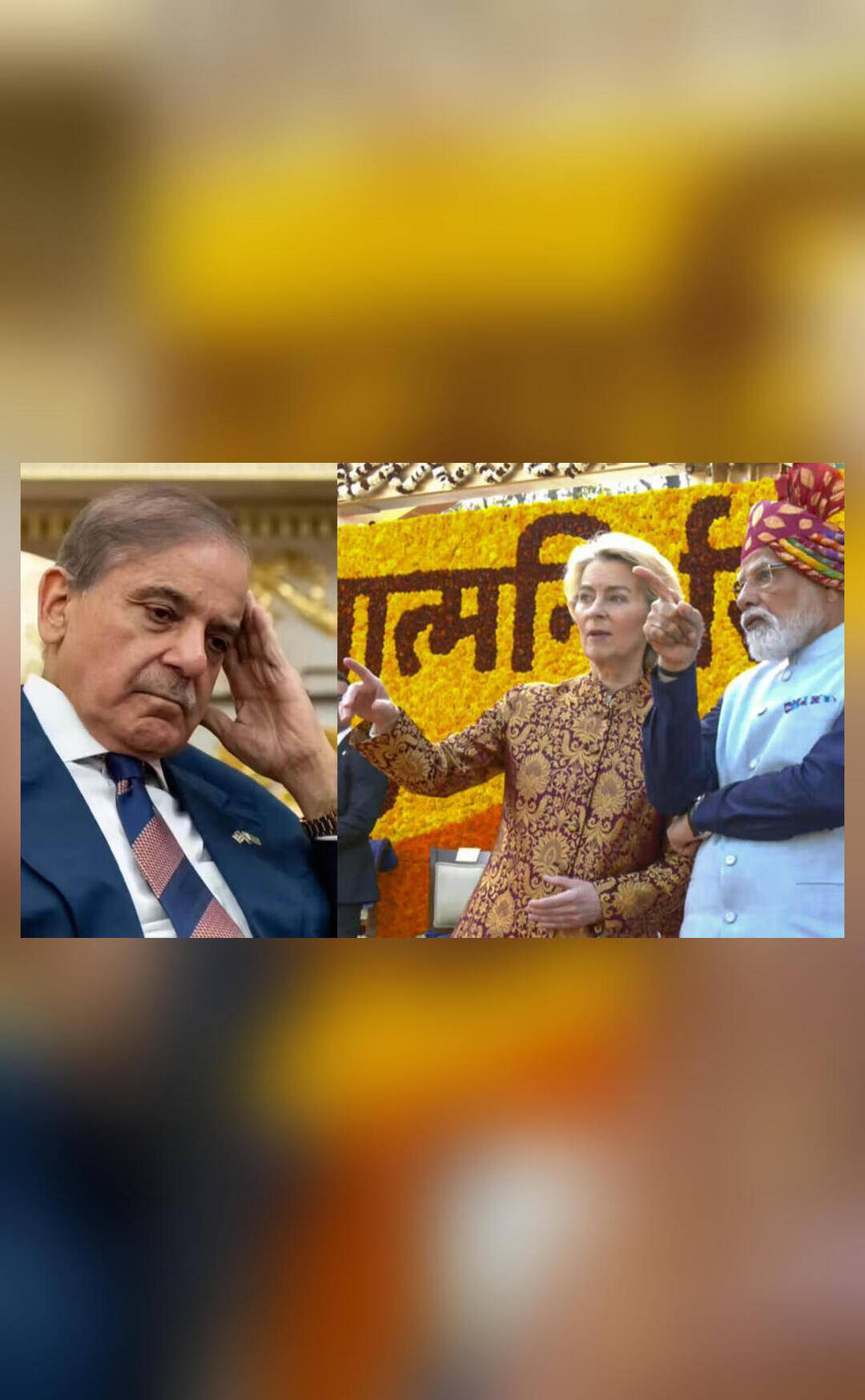
Pakistan releases statement after India and EU announce ‘mother of all trade deals’
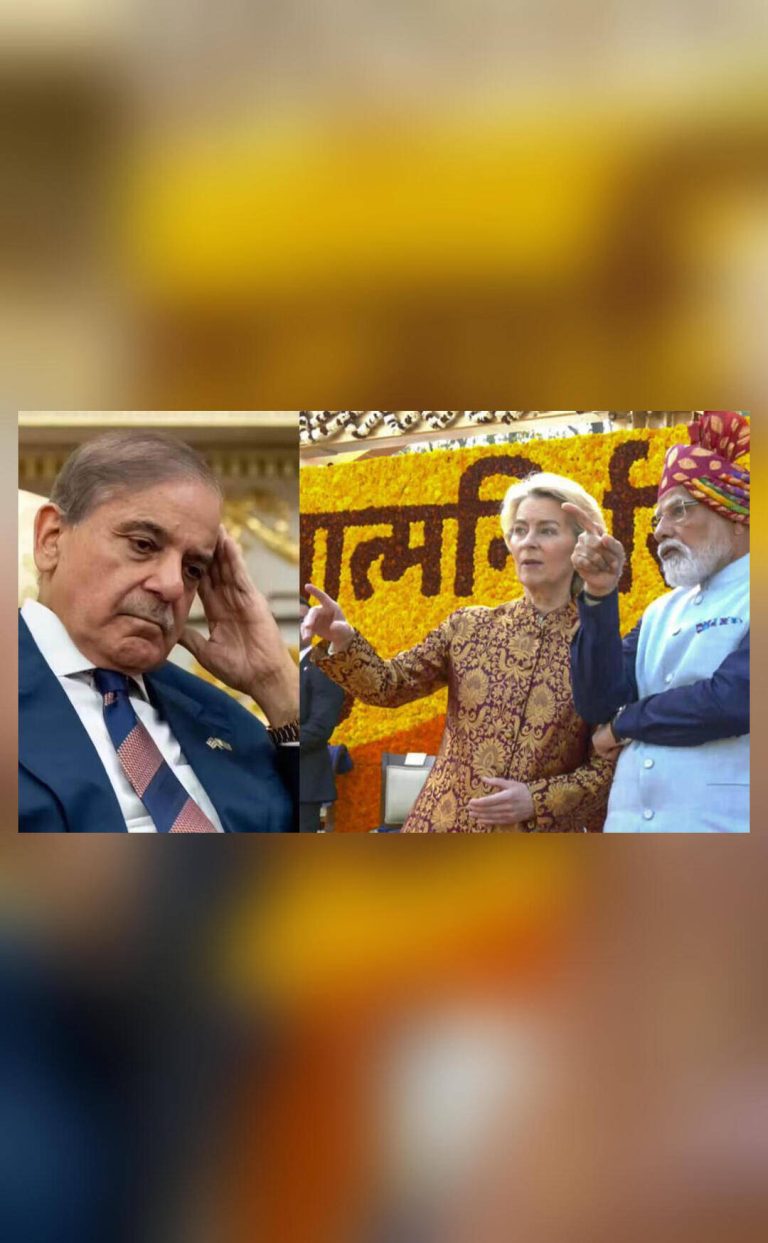
In a recent development, India and the European Union (EU) have announced a monumental trade agreement, dubbed the “mother of all trade deals”. This announcement has sent ripples across the global trade landscape, with neighboring countries taking notice. Pakistan, in particular, has been swift to respond to this new trade alliance, releasing a statement to address the implications of this deal on its own trade relations with the EU.
Commenting on India and EU’s “mother of all trade deals”, Pakistan said, “We are aware of this agreement. We have seen reports and as well as the content.” This statement acknowledges the existence of the agreement and indicates that Pakistan has been closely following the developments. The statement further added, “Pakistan maintains long standing friendly…relations with EU…The EU GSP+ scheme for Pakistan has proven to be a win-win…for bilateral cooperation…The total volume between our two sides stands at €12 billion.”
This response from Pakistan highlights the country’s existing strong trade ties with the EU, which have been fostered through the EU’s Generalized System of Preferences Plus (GSP+) scheme. The GSP+ scheme provides preferential tariff treatment to certain countries, including Pakistan, allowing them to export goods to the EU at reduced or zero tariffs. Pakistan has been a beneficiary of this scheme since 2014, and it has significantly boosted the country’s exports to the EU.
The total trade volume between Pakistan and the EU stands at an impressive €12 billion, with Pakistan’s exports to the EU totaling around €7.5 billion. The EU is one of Pakistan’s largest trading partners, and the GSP+ scheme has played a crucial role in promoting bilateral trade between the two. Pakistan’s major exports to the EU include textiles, leather goods, and agricultural products, which have gained significant market access due to the preferential tariffs offered under the GSP+ scheme.
However, the recent India-EU trade agreement has raised concerns in Pakistan about the potential erosion of its tariff preferences in the EU market. The “mother of all trade deals” between India and the EU is expected to provide Indian exporters with preferential access to the EU market, which could lead to a loss of competitiveness for Pakistani exporters. Pakistan is worried that its exports to the EU may become less competitive compared to Indian exports, which could lead to a decline in its market share.
To mitigate this risk, Pakistan has engaged with the EU to safeguard its exports and ensure that its trade interests are protected. Pakistan’s trade diplomats have been in talks with their EU counterparts to discuss the implications of the India-EU trade agreement and to explore ways to maintain Pakistan’s existing trade preferences. The EU has assured Pakistan that it will continue to support the country’s exports and that the GSP+ scheme will remain in place.
The EU’s GSP+ scheme is designed to support sustainable development and good governance in beneficiary countries, and Pakistan has made significant progress in implementing the scheme’s requirements. The EU has recognized Pakistan’s efforts to improve its human rights record, labor standards, and environmental protection, and has praised the country’s commitment to sustainable development.
In conclusion, Pakistan’s response to the India-EU trade agreement reflects its concerns about the potential impact on its own trade relations with the EU. However, the country’s existing strong trade ties with the EU, facilitated by the GSP+ scheme, provide a solid foundation for bilateral cooperation. Pakistan’s engagement with the EU to safeguard its exports and maintain its trade preferences is a positive step, and the EU’s assurance of continued support is a welcome development. As the global trade landscape continues to evolve, Pakistan must remain vigilant and proactive in protecting its trade interests and promoting its exports to the EU and other markets.
About the Author