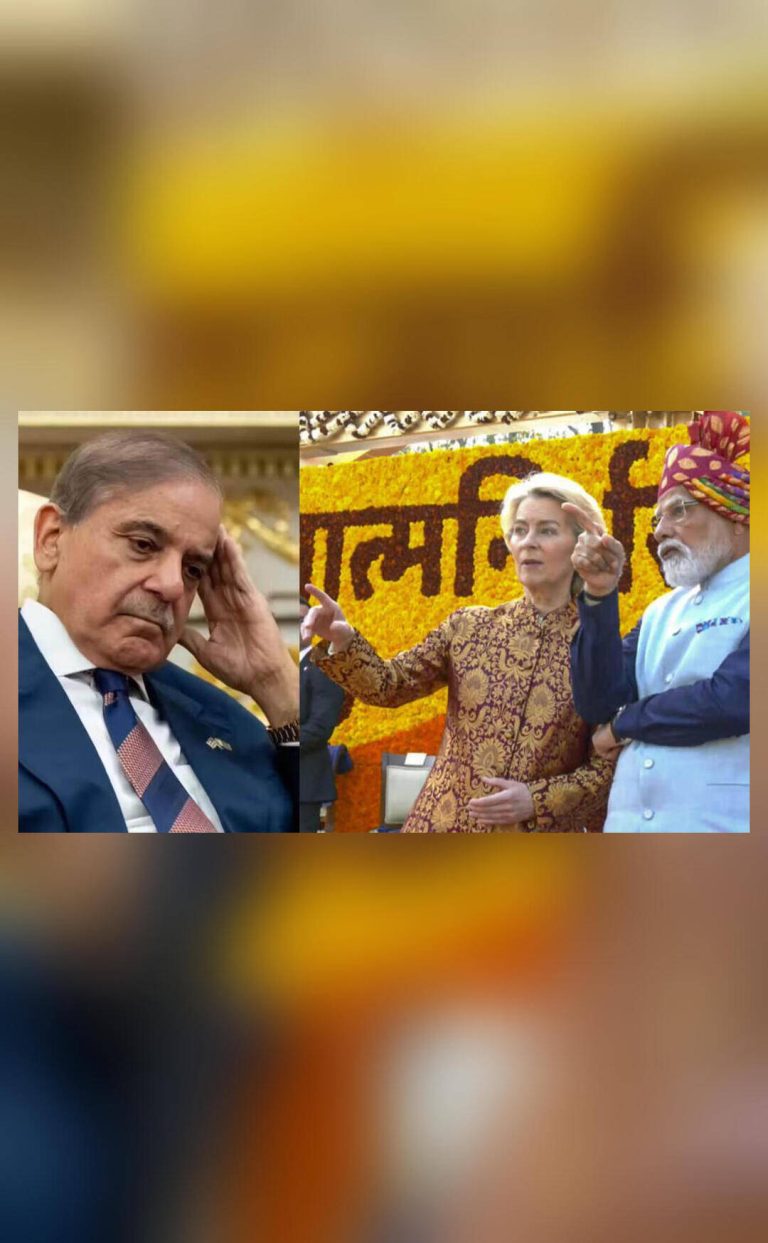
Pakistan releases statement after India and EU announce ‘mother of all trade deals’
In a recent development, India and the European Union (EU) have announced a landmark trade agreement, which has been touted as the “mother of all trade deals”. This move has sent ripples across the global trade landscape, with many countries taking notice of the potential implications. Pakistan, in particular, has been keenly observing the situation, given its own trade relations with the EU. Commenting on the India-EU trade deal, Pakistan has released a statement, highlighting its existing friendly relations with the EU and the benefits of their bilateral cooperation.
According to Pakistan, “We are aware of this agreement. We have seen reports and as well as the content.” This statement suggests that Pakistan is closely monitoring the situation and is aware of the potential implications of the India-EU trade deal on its own trade relations with the EU. Pakistan has long maintained friendly relations with the EU, which have been a cornerstone of its foreign policy. The EU has been one of Pakistan’s largest trading partners, and the two sides have cooperated on a range of issues, including trade, security, and development.
The EU’s Generalized System of Preferences (GSP+) scheme has been a significant factor in Pakistan’s trade relations with the EU. Under this scheme, Pakistan has been granted preferential access to the EU market, which has helped to boost its exports. As Pakistan noted, “The EU GSP+ scheme for Pakistan has proven to be a win-win…for bilateral cooperation…The total volume between our two sides stands at €12 billion.” This statement highlights the significance of the GSP+ scheme for Pakistan’s trade relations with the EU and the benefits that both sides have derived from it.
However, the India-EU trade deal has raised concerns in Pakistan about the potential loss of its tariff edge in the EU market. With India and the EU negotiating a free trade agreement (FTA), there are fears that Pakistan’s exports may become less competitive in the EU market. This is because the India-EU FTA may grant Indian exporters preferential access to the EU market, potentially undercutting Pakistan’s exports. To mitigate this risk, Pakistan has been engaging with the EU to safeguard its exports and maintain its competitive edge in the EU market.
Pakistan’s efforts to engage with the EU are aimed at ensuring that its trade relations with the EU are not adversely affected by the India-EU trade deal. By highlighting its existing friendly relations with the EU and the benefits of their bilateral cooperation, Pakistan is seeking to reassure the EU of its commitment to their trade partnership. At the same time, Pakistan is also seeking to negotiate new trade agreements with the EU that will help to maintain its competitive edge in the EU market.
The India-EU trade deal has significant implications for the global trade landscape, and Pakistan is not the only country that is taking notice. Other countries, including those in the region, are also closely monitoring the situation and assessing the potential implications for their own trade relations. As the global trade landscape continues to evolve, it is likely that we will see more countries seeking to negotiate new trade agreements and strengthen their existing trade partnerships.
In conclusion, Pakistan’s statement on the India-EU trade deal highlights its awareness of the potential implications of this agreement on its own trade relations with the EU. By emphasizing its existing friendly relations with the EU and the benefits of their bilateral cooperation, Pakistan is seeking to reassure the EU of its commitment to their trade partnership. As the global trade landscape continues to evolve, it will be interesting to see how Pakistan’s trade relations with the EU develop and how the country navigates the challenges and opportunities presented by the India-EU trade deal.
About the Author