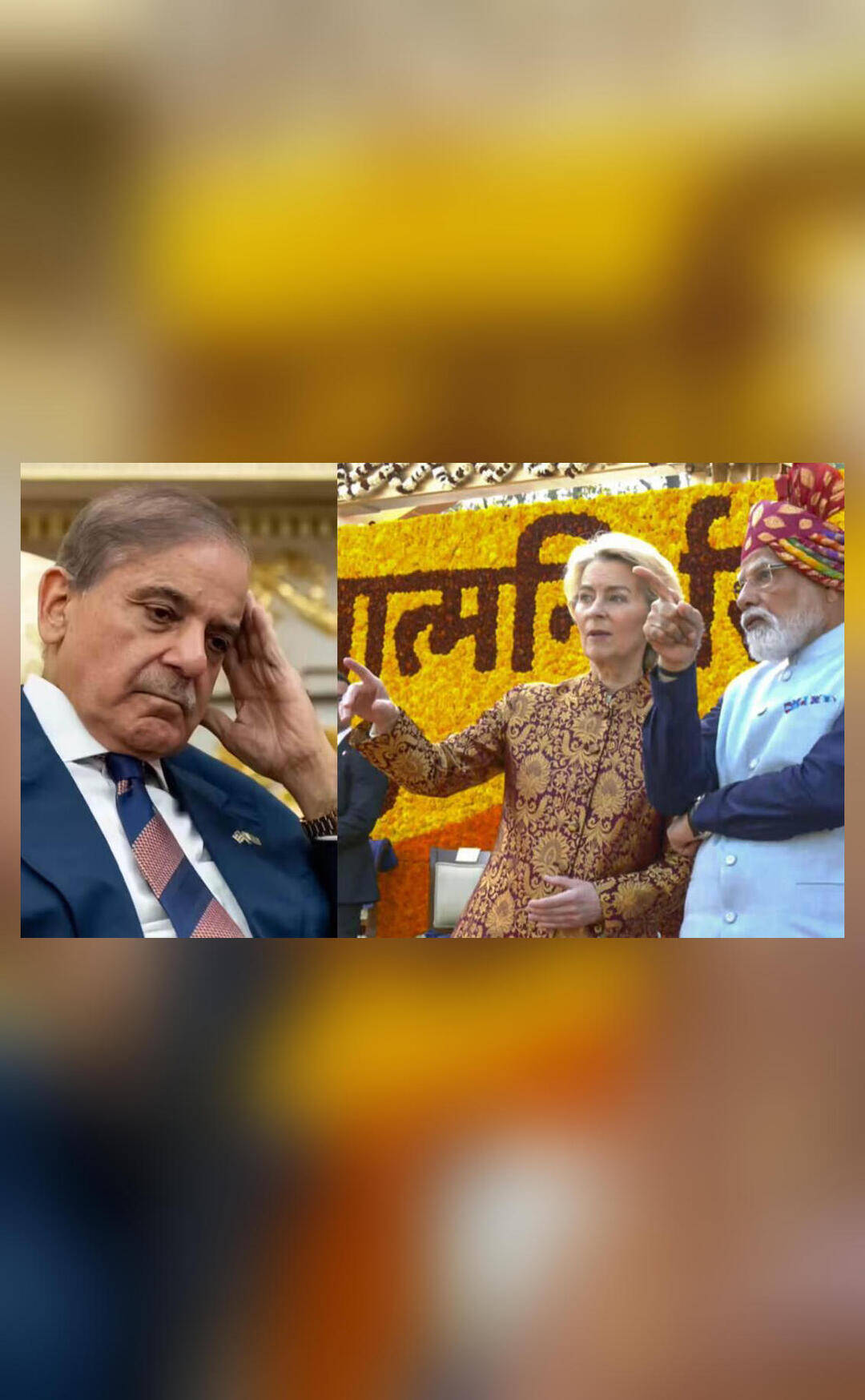
Pakistan releases statement after India and EU announce ‘mother of all trade deals’
In a recent development, India and the European Union (EU) have announced a landmark free trade agreement (FTA), dubbed the “mother of all trade deals”. This move is expected to significantly boost trade between the two entities, with India seeking to increase its exports to the EU and the EU looking to expand its market share in India. However, this announcement has not gone unnoticed by Pakistan, which has been a long-time beneficiary of the EU’s Generalized System of Preferences (GSP+) scheme.
Commenting on the India-EU trade deal, Pakistan said, “We are aware of this agreement. We have seen reports and as well as the content.” This statement suggests that Pakistan is closely monitoring the situation and is aware of the potential implications of the deal on its own trade relations with the EU. Pakistan has maintained long-standing friendly relations with the EU, and the two entities have a significant trade relationship. The EU GSP+ scheme, which provides preferential tariff rates to certain countries, has been a key factor in promoting bilateral trade between Pakistan and the EU.
According to Pakistan, the EU GSP+ scheme has proven to be a “win-win” for bilateral cooperation, with the total volume of trade between the two sides standing at €12 billion. This significant trade volume is a testament to the strong economic ties between Pakistan and the EU. However, with the announcement of the India-EU FTA, Pakistan is concerned about the potential loss of its tariff edge in the EU market.
The India-EU FTA is expected to provide Indian exporters with preferential access to the EU market, which could potentially erode Pakistan’s competitive advantage. Pakistan has been a major beneficiary of the EU’s GSP+ scheme, which has allowed it to export goods to the EU at preferential tariff rates. However, with the India-EU FTA, Indian exporters may be able to offer similar products at competitive prices, potentially threatening Pakistan’s market share in the EU.
In response to these concerns, Pakistan has engaged with the EU to safeguard its exports and protect its trade interests. Pakistan’s ambassador to the EU has been in talks with EU officials to discuss the potential implications of the India-EU FTA on Pakistan’s trade relations with the EU. Pakistan is seeking assurances that its preferential access to the EU market will be maintained, despite the new FTA with India.
The EU GSP+ scheme has been a crucial factor in promoting Pakistan’s exports to the EU, particularly in the textile sector. Pakistan’s textile industry is one of the country’s largest employers, and the EU is a significant market for Pakistani textile exports. However, with the India-EU FTA, Pakistan is concerned that its textile exports may face increased competition from Indian exporters.
To mitigate this risk, Pakistan is exploring options to diversify its exports to the EU and reduce its dependence on traditional products such as textiles. Pakistan is seeking to increase its exports of other products, such as leather goods, sports equipment, and surgical instruments, which are also eligible for preferential tariff rates under the EU GSP+ scheme.
In conclusion, the announcement of the India-EU FTA has significant implications for Pakistan’s trade relations with the EU. While Pakistan maintains long-standing friendly relations with the EU, the country is concerned about the potential loss of its tariff edge in the EU market. Pakistan is engaging with the EU to safeguard its exports and protect its trade interests, and is exploring options to diversify its exports to the EU. As the situation continues to evolve, it remains to be seen how Pakistan will navigate the changing trade landscape and maintain its competitive advantage in the EU market.
About the Author