Pakistan releases statement after India and EU announce ‘mother of all trade deals’
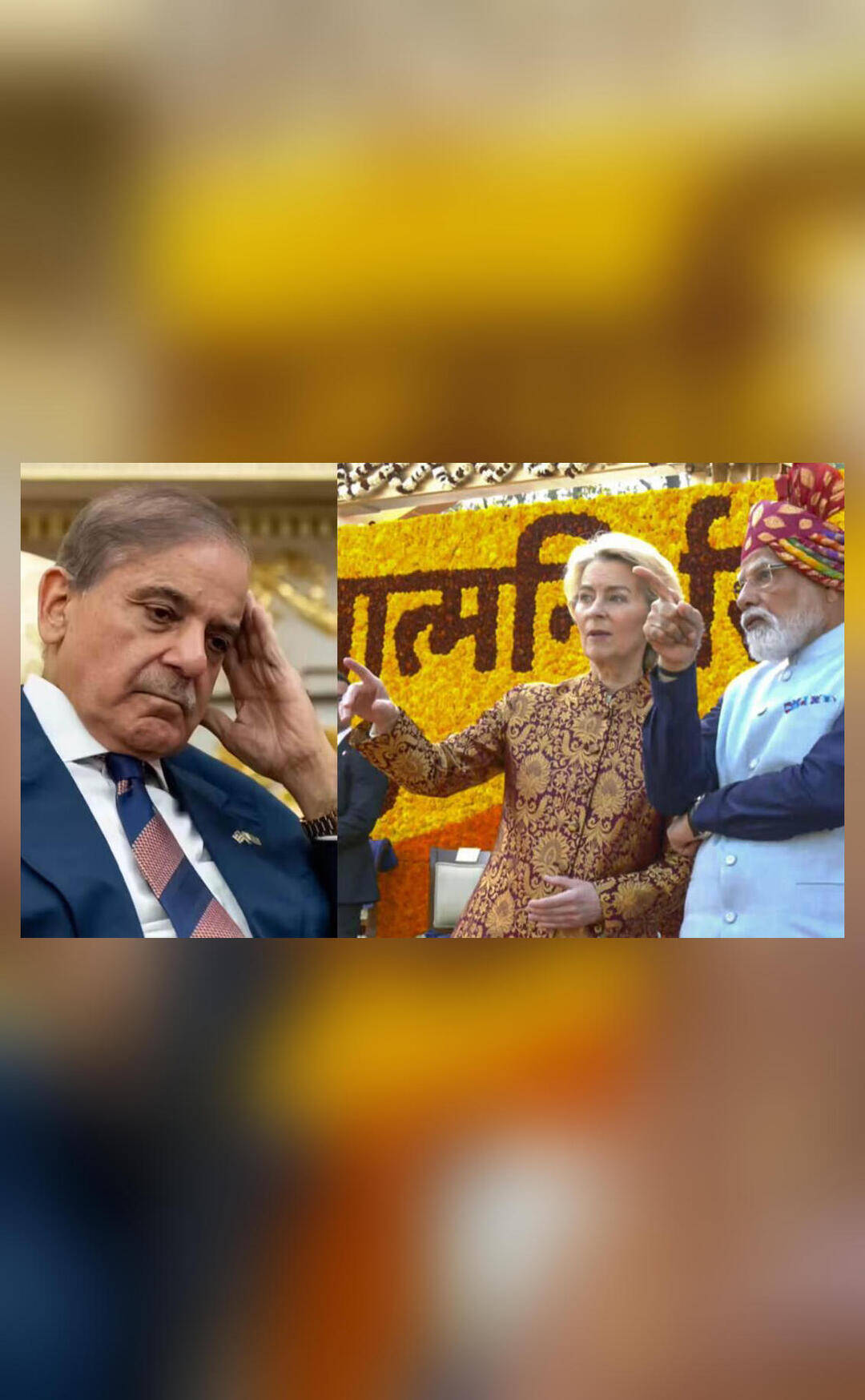
In a recent development, India and the European Union (EU) have announced a landmark trade agreement, dubbed the “mother of all trade deals”. This agreement is expected to have far-reaching implications for global trade, and neighboring countries are taking notice. Pakistan, in particular, has released a statement commenting on the agreement and its potential impact on the country’s trade relations with the EU.
According to reports, Pakistan’s statement reads, “We are aware of this agreement. We have seen reports and as well as the content.” This suggests that Pakistan is closely monitoring the situation and is aware of the potential implications of the India-EU trade deal. The statement further adds, “Pakistan maintains long-standing friendly relations with the EU…The EU GSP+ scheme for Pakistan has proven to be a win-win for bilateral cooperation…The total volume between our two sides stands at €12 billion.”
The EU’s GSP+ (Generalized System of Preferences Plus) scheme is a preferential trade arrangement that provides duty-free access to the EU market for certain countries, including Pakistan. The scheme is designed to promote economic development and cooperation between the EU and participating countries. Pakistan has been a beneficiary of the GSP+ scheme since 2014, and it has significantly boosted the country’s exports to the EU.
However, with the India-EU trade deal on the horizon, Pakistan is concerned about the potential loss of its competitive edge in the EU market. The India-EU trade agreement is expected to provide Indian exporters with duty-free access to the EU market, which could erode Pakistan’s tariff advantage. This has prompted Pakistan to engage with the EU to safeguard its exports and ensure that its trade relations with the EU are not adversely affected.
The India-EU trade deal is a significant development in the global trade landscape, and it has the potential to reshape the trade dynamics between India, the EU, and other countries, including Pakistan. The agreement is expected to increase trade volumes between India and the EU, and it could also lead to increased investment and economic cooperation between the two parties.
However, the agreement also poses challenges for other countries, including Pakistan, which have traditionally enjoyed preferential trade arrangements with the EU. Pakistan’s exports to the EU are largely driven by the GSP+ scheme, and any erosion of its tariff advantage could have significant implications for the country’s trade balance.
In this context, Pakistan’s statement can be seen as an attempt to reassure its trade partners and stakeholders that it is taking proactive steps to safeguard its exports and protect its trade interests. By engaging with the EU, Pakistan hopes to ensure that its trade relations with the EU are not adversely affected by the India-EU trade deal.
The total volume of trade between Pakistan and the EU stands at €12 billion, with Pakistani exports to the EU accounting for a significant proportion of this volume. The EU is one of Pakistan’s largest trading partners, and the country’s exports to the EU are largely driven by the textile and manufacturing sectors.
In conclusion, the India-EU trade deal has significant implications for Pakistan’s trade relations with the EU. While Pakistan has released a statement commenting on the agreement and its potential impact on the country’s trade relations with the EU, it remains to be seen how the situation will unfold in the coming months. One thing is certain, however: Pakistan will need to engage proactively with the EU to safeguard its exports and protect its trade interests.
As the situation continues to evolve, it will be important to monitor developments closely and assess the potential implications for Pakistan’s trade relations with the EU. With the India-EU trade deal expected to come into effect in the near future, Pakistan will need to take proactive steps to ensure that its trade interests are protected and its exports to the EU are not adversely affected.
In the meantime, Pakistan’s trade policymakers will need to work closely with their EU counterparts to ensure that the country’s trade relations with the EU are not eroded by the India-EU trade deal. This may involve renegotiating the terms of the GSP+ scheme or exploring other preferential trade arrangements that can help Pakistan maintain its competitive edge in the EU market.
Ultimately, the outcome of these efforts will depend on a variety of factors, including the terms of the India-EU trade deal, the EU’s trade policies, and Pakistan’s ability to negotiate favorable trade arrangements with the EU. As the situation continues to unfold, it will be important to monitor developments closely and assess the potential implications for Pakistan’s trade relations with the EU.
About the Author