Pakistan releases statement after India and EU announce ‘mother of all trade deals’
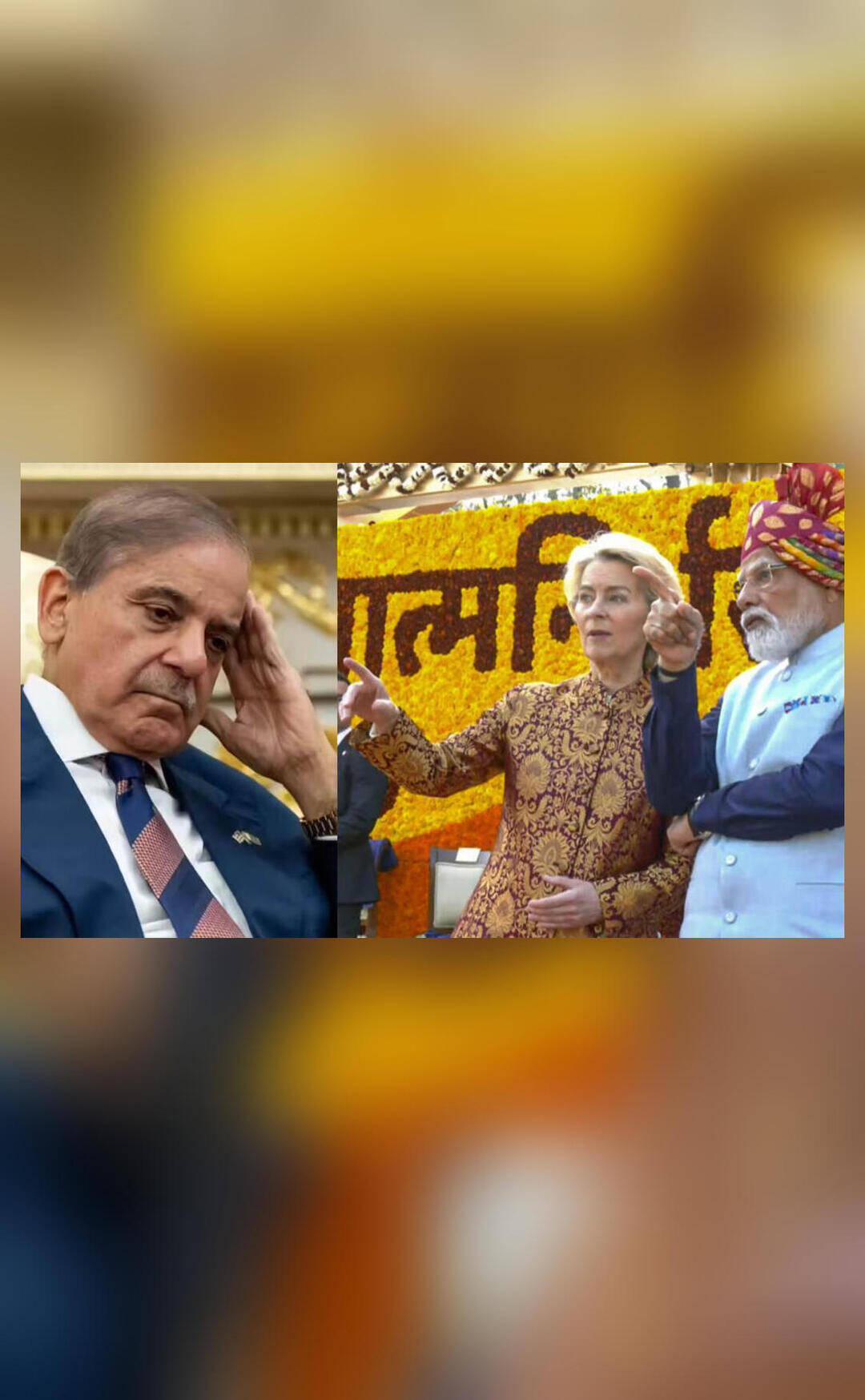
In a recent development, India and the European Union (EU) have announced a landmark trade agreement, dubbed the “mother of all trade deals”. This move has sent ripples across the global trade landscape, with neighboring countries taking note of the potential implications. Pakistan, in particular, has been closely watching the developments, given its own trade relations with the EU. In a statement released by the Pakistani government, it acknowledged the agreement between India and the EU, while also highlighting its own long-standing friendly relations with the bloc.
According to the statement, “We are aware of this agreement. We have seen reports and as well as the content.” This suggests that Pakistan is closely monitoring the situation and is aware of the potential consequences of the India-EU trade deal. The statement further added, “Pakistan maintains long standing friendly…relations with EU…The EU GSP+ scheme for Pakistan has proven to be a win-win…for bilateral cooperation…The total volume between our two sides stands at €12 billion.” This emphasis on the existing trade relationship between Pakistan and the EU is significant, as it underscores the importance of this partnership for both parties.
The EU’s GSP+ (Generalized System of Preferences Plus) scheme is a preferential trade arrangement that provides duty-free access to the EU market for certain products from eligible countries, including Pakistan. This scheme has been instrumental in boosting Pakistan’s exports to the EU, with the total trade volume between the two sides reaching €12 billion. The statement’s reference to the GSP+ scheme is a clear indication that Pakistan values this arrangement and is keen to preserve its benefits.
The India-EU trade deal, on the other hand, has raised concerns in Pakistan about the potential erosion of its competitive edge in the EU market. With India set to gain preferential access to the EU market, Pakistani exporters may face increased competition, which could lead to a decline in their exports. This is a worrying prospect for Pakistan, given the significant contribution that exports make to its economy.
In response to these concerns, Pakistan has been engaging with the EU to safeguard its exports and protect its trade interests. According to reports, Pakistani officials have been in talks with their EU counterparts to explore options for maintaining the country’s competitive edge in the EU market. This may involve negotiating new trade agreements or seeking adjustments to the existing GSP+ scheme to ensure that Pakistani exporters remain competitive.
The Pakistan-EU trade relationship is built on a long history of cooperation and mutual benefit. The EU is one of Pakistan’s largest trading partners, and the GSP+ scheme has played a crucial role in promoting trade between the two sides. Pakistan’s exports to the EU have grown significantly since the scheme’s introduction, with key products such as textiles, leather goods, and sports equipment gaining preferential access to the EU market.
In addition to the economic benefits, the Pakistan-EU trade relationship is also underpinned by a strong political partnership. The EU has been a key supporter of Pakistan’s development efforts, providing significant aid and assistance to help the country achieve its development goals. This cooperation extends beyond trade and economics, with the two sides also collaborating on areas such as education, healthcare, and human rights.
In conclusion, Pakistan’s statement on the India-EU trade deal reflects its awareness of the potential implications of this agreement for its own trade relations with the EU. By highlighting its long-standing friendly relations with the EU and the benefits of the GSP+ scheme, Pakistan is seeking to reassure its trading partners and protect its trade interests. As the India-EU trade deal takes shape, Pakistan will need to remain vigilant and proactive in its engagement with the EU to ensure that its exports remain competitive and its trade relationship with the bloc continues to thrive.
About the Author