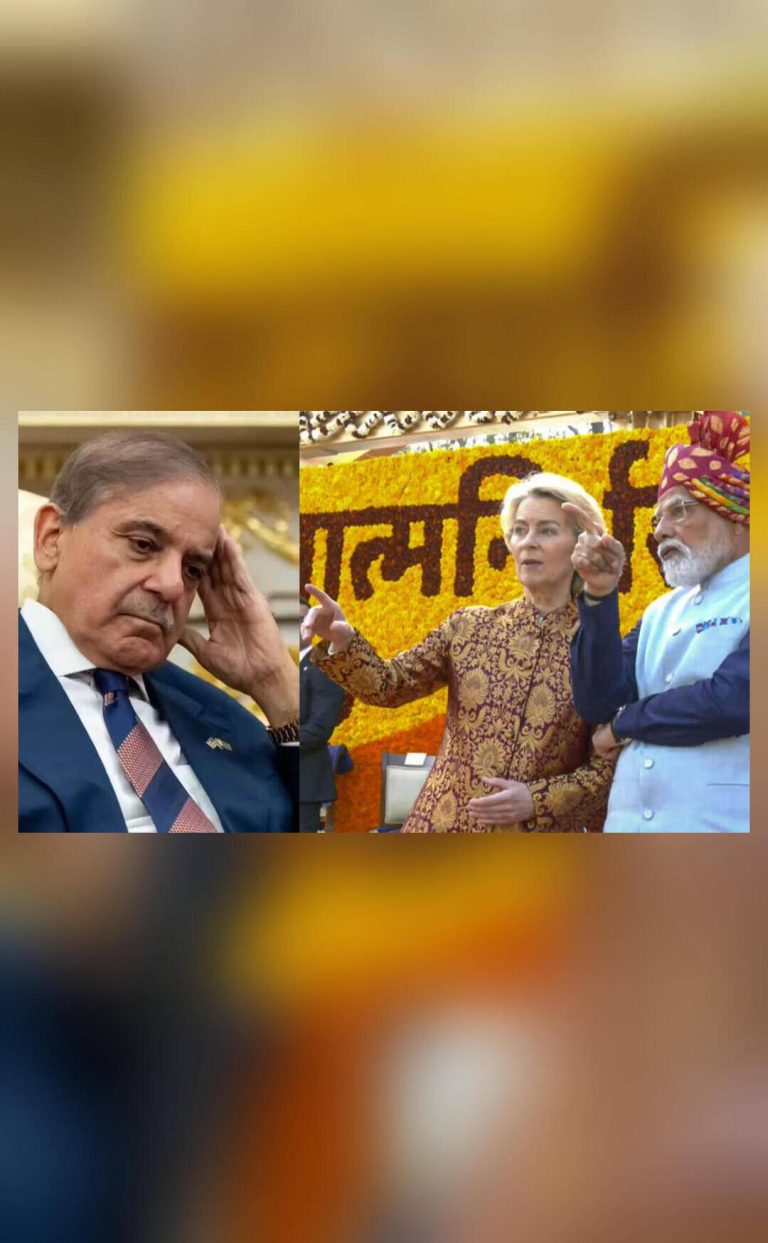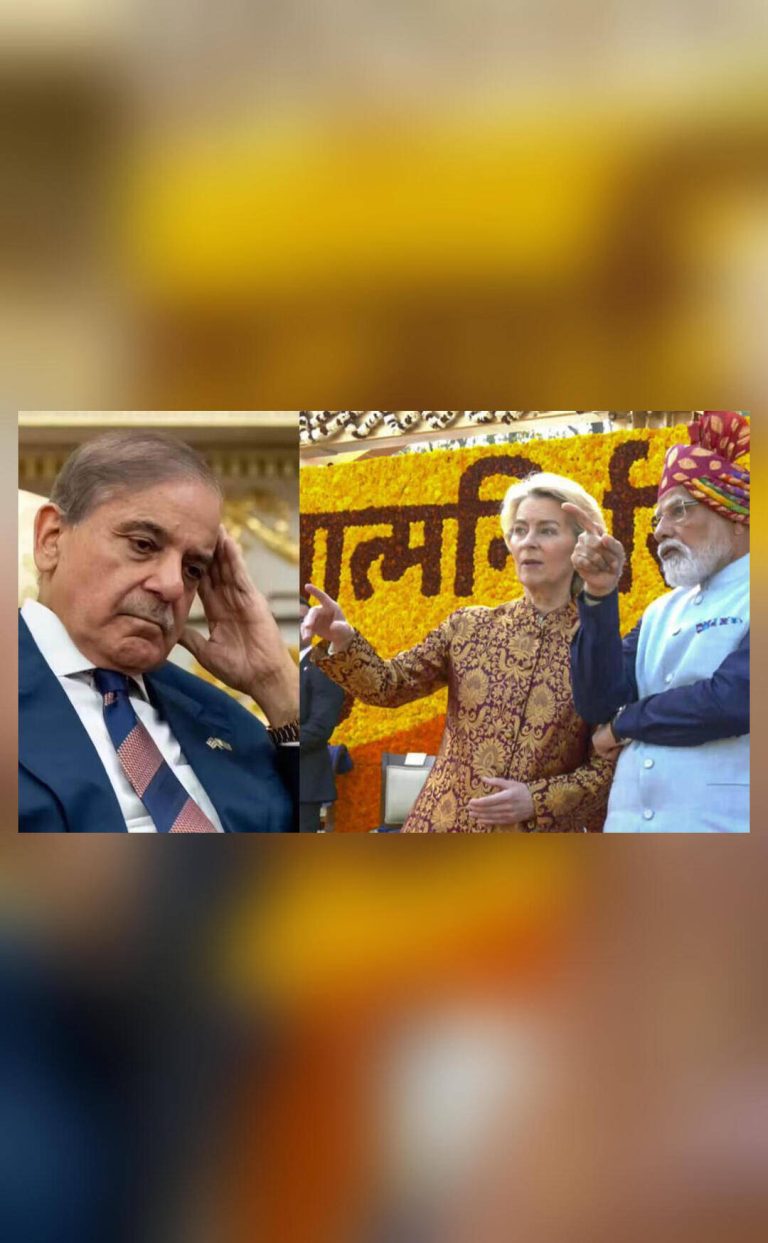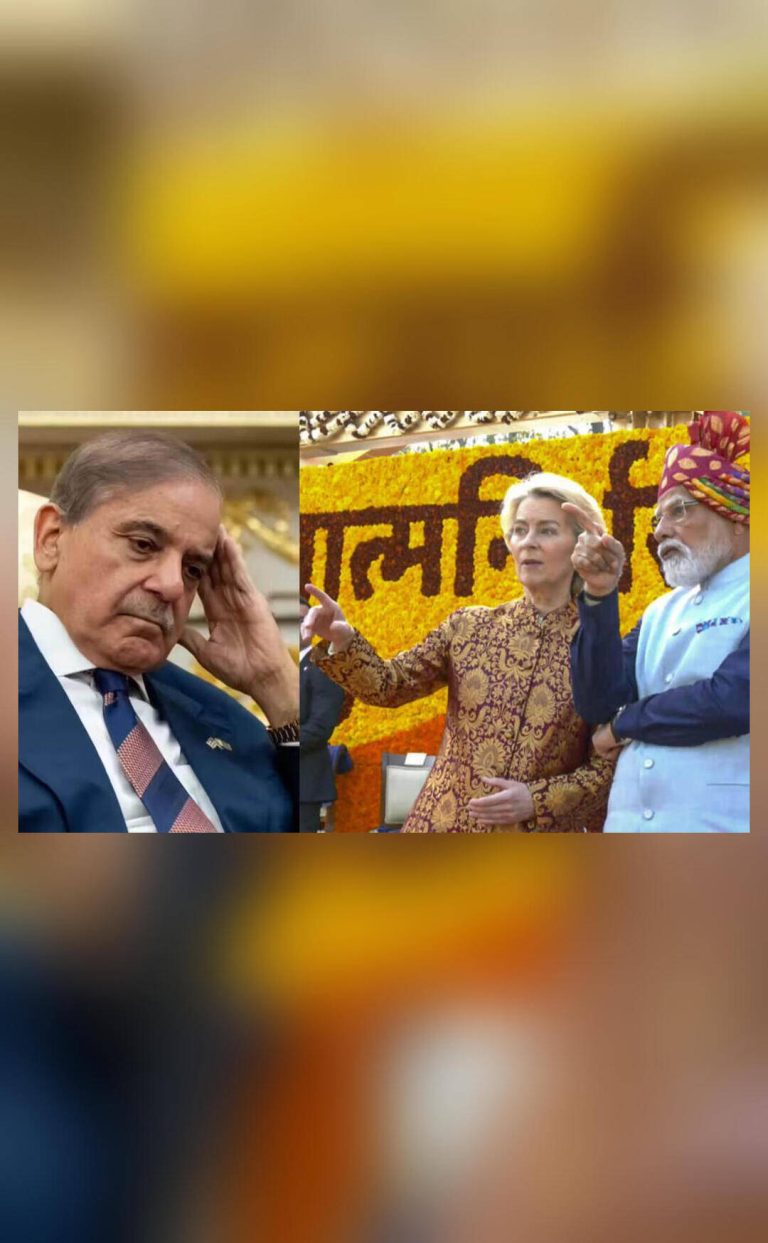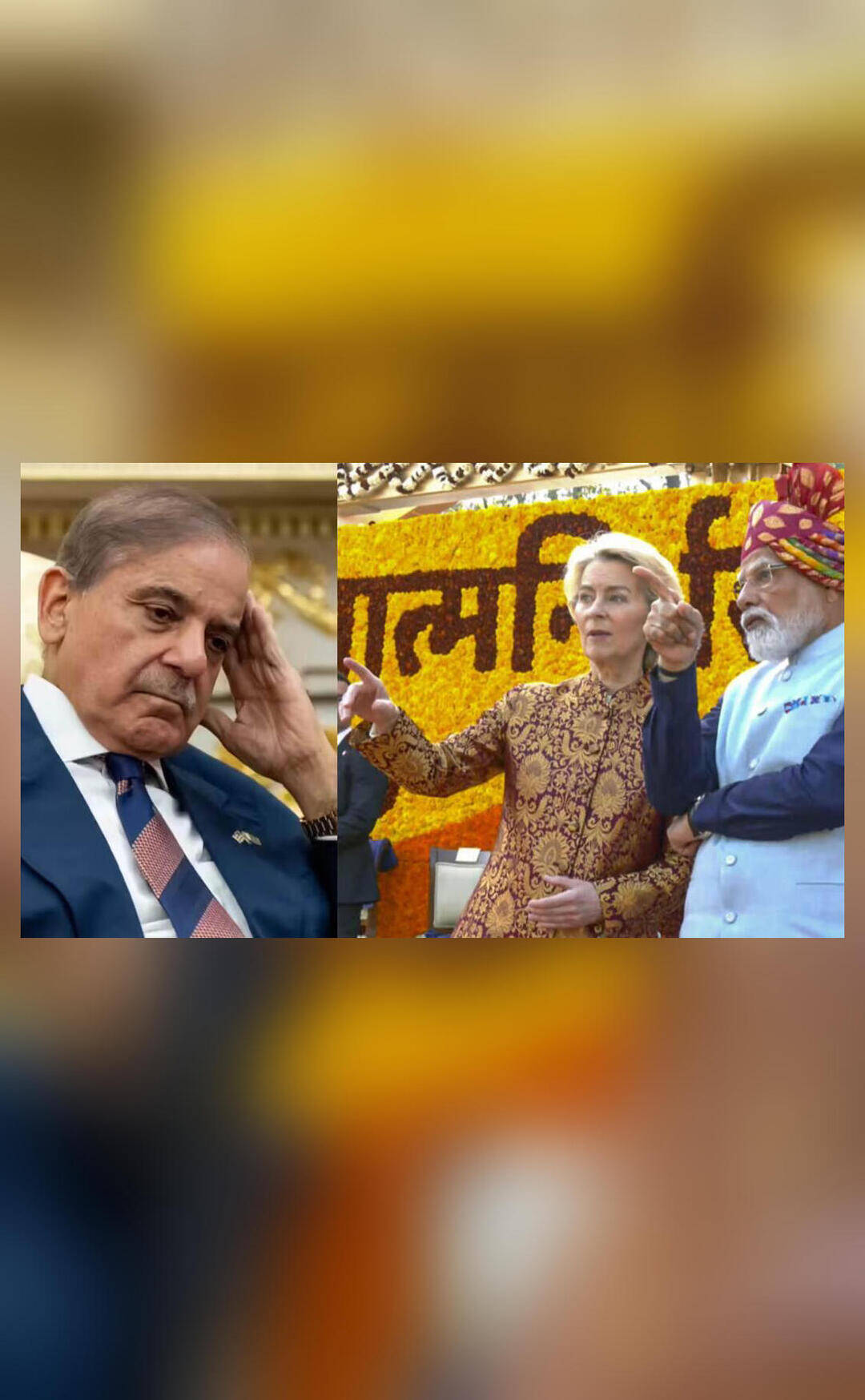
Pakistan releases statement after India and EU announce ‘mother of all trade deals’
The recent announcement of a comprehensive trade deal between India and the European Union (EU) has sent shockwaves across the globe, with many countries taking notice of the potential implications of this agreement. Pakistan, in particular, has been closely watching the developments, given its own trade relations with the EU. Commenting on the India-EU trade deal, Pakistan said, “We are aware of this agreement. We have seen reports and as well as the content.” This statement suggests that Pakistan is closely monitoring the situation and is aware of the potential impact on its own trade with the EU.
Pakistan’s statement further emphasized its long-standing friendly relations with the EU, highlighting the benefits of their bilateral cooperation. “Pakistan maintains long standing friendly…relations with EU…The EU GSP+ scheme for Pakistan has proven to be a win-win…for bilateral cooperation…The total volume between our two sides stands at €12 billion,” it added. The EU’s Generalized System of Preferences Plus (GSP+) scheme provides preferential access to the EU market for certain countries, including Pakistan, and has been instrumental in boosting Pakistan’s exports to the EU.
The India-EU trade deal, dubbed the “mother of all trade deals,” is expected to have significant implications for global trade. The agreement aims to reduce tariffs and other trade barriers, increasing trade between India and the EU. However, this deal also poses a threat to Pakistan’s trade with the EU, as Indian goods may become more competitive in the EU market. Pakistan’s exports to the EU, which have been growing steadily in recent years, may face challenges in the face of increased competition from India.
Pakistan’s concerns about the India-EU trade deal are not unfounded. The country has been enjoying preferential access to the EU market under the GSP+ scheme, which has helped increase its exports to the EU. However, with the India-EU trade deal, Pakistan fears that it may lose its competitive edge in the EU market. The EU’s GSP+ scheme provides duty-free access to the EU market for certain products, including textiles, which are a significant component of Pakistan’s exports. If India, which is also a major textile producer, gains preferential access to the EU market, it could undermine Pakistan’s competitiveness.
To mitigate the potential impact of the India-EU trade deal, Pakistan has been engaging with the EU to safeguard its exports. According to reports, Pakistan has been in talks with the EU to ensure that its trade interests are protected. Pakistan’s ambassador to the EU has been quoted as saying that the country is seeking assurances from the EU that its GSP+ preferences will not be eroded by the India-EU trade deal.
The EU, for its part, has been keen to reassure Pakistan that its trade preferences will not be affected by the India-EU trade deal. The EU has emphasized that the GSP+ scheme is a separate agreement and that Pakistan’s trade preferences will continue to apply. However, the EU has also encouraged Pakistan to diversify its exports and to explore new markets, in order to reduce its dependence on the EU market.
In conclusion, the India-EU trade deal has significant implications for Pakistan’s trade with the EU. While Pakistan has been enjoying preferential access to the EU market under the GSP+ scheme, the India-EU trade deal poses a threat to its competitive edge. Pakistan’s concerns about the deal are not unfounded, and the country has been engaging with the EU to safeguard its exports. The EU, for its part, has been keen to reassure Pakistan that its trade preferences will not be affected by the deal. As the situation continues to evolve, it will be important for Pakistan to closely monitor the developments and to take proactive steps to protect its trade interests.
About the Author