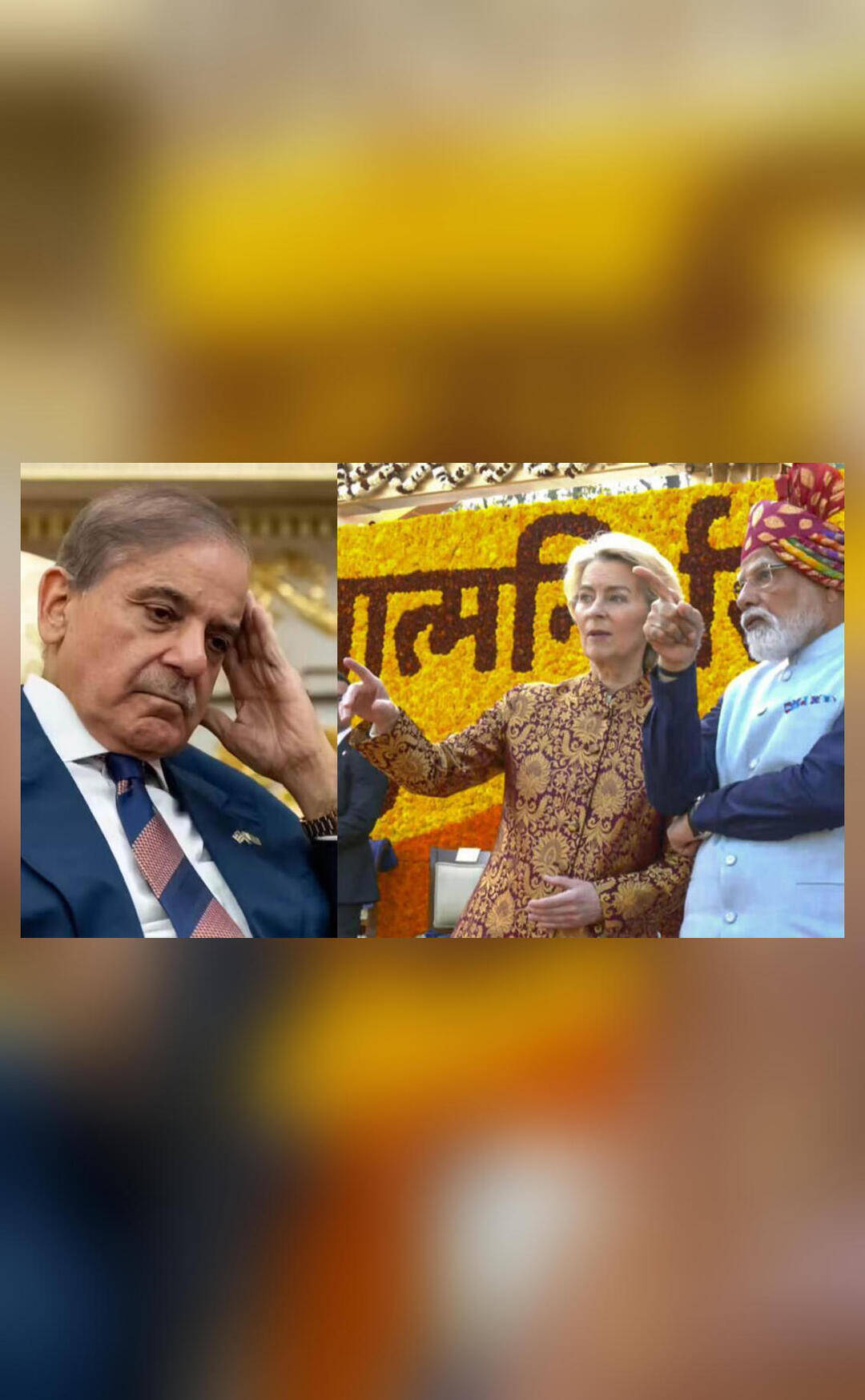
Pakistan releases statement after India and EU announce ‘mother of all trade deals’
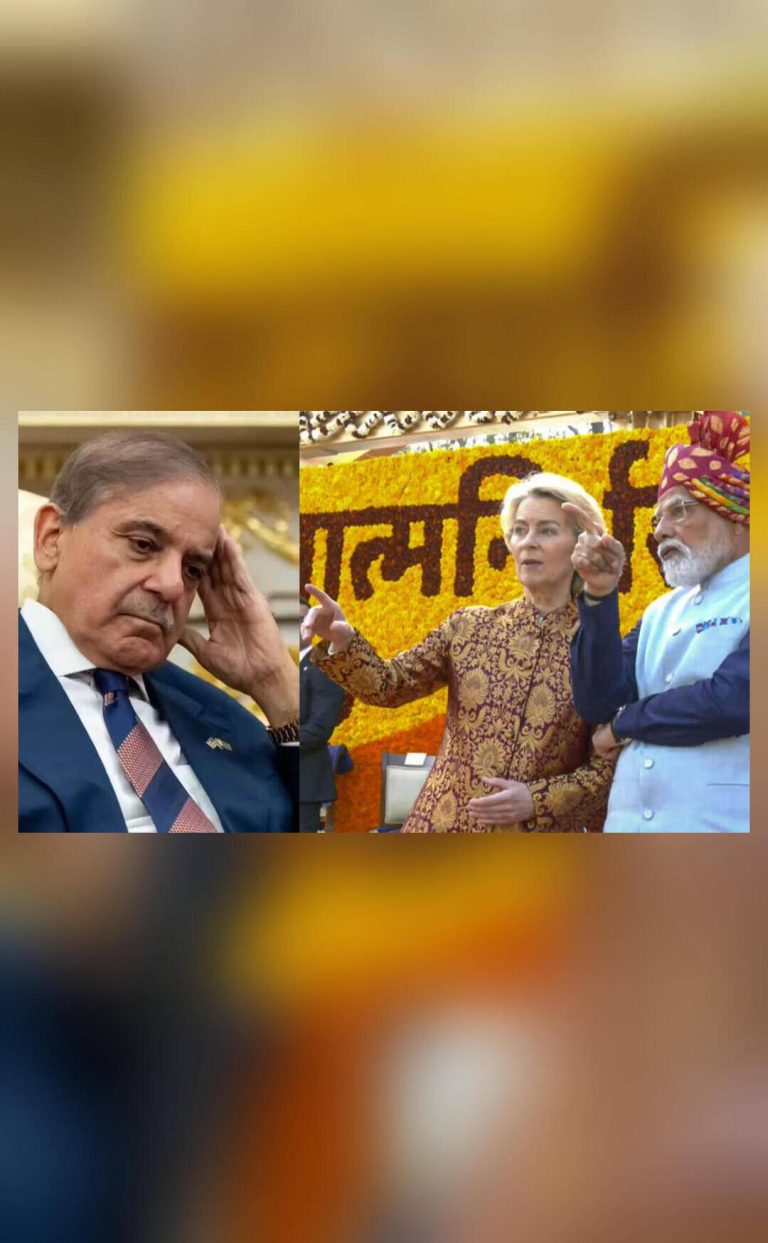
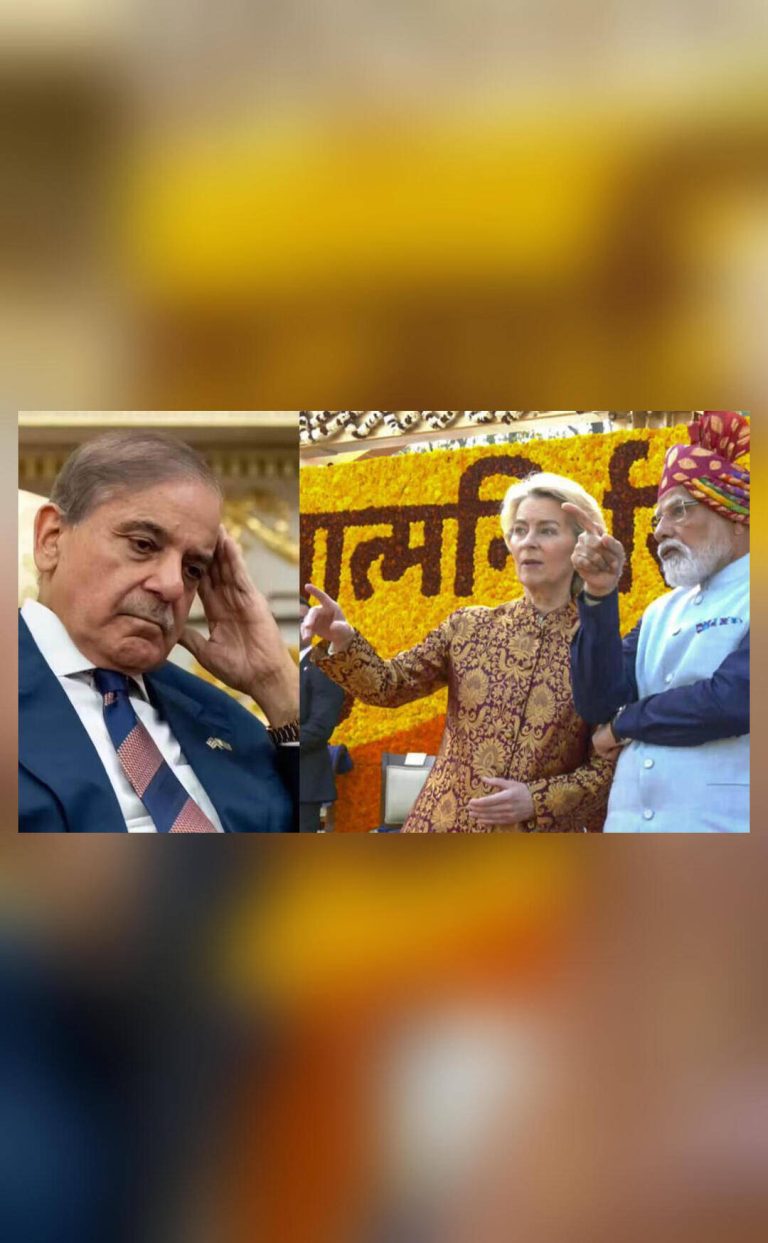
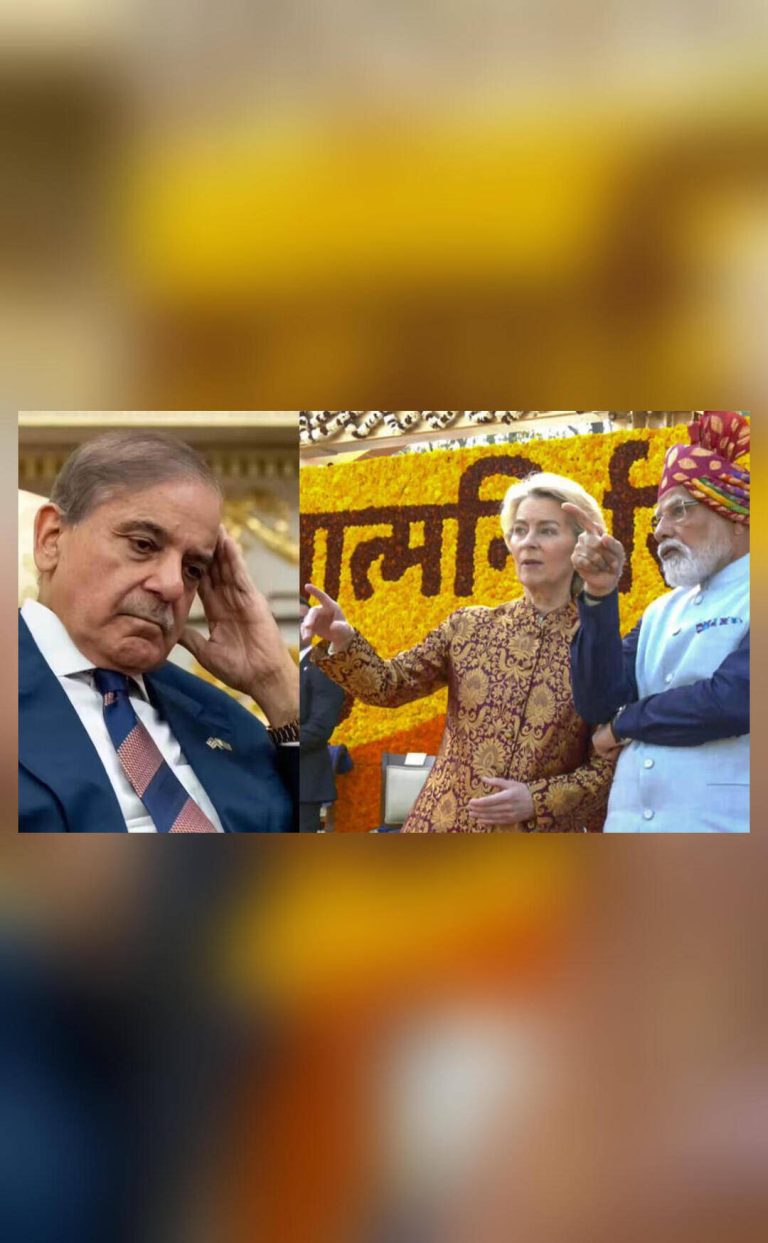
In a recent development, India and the European Union (EU) have announced a landmark trade deal, touted as the “mother of all trade deals”. This agreement has sent ripples across the global trade landscape, with neighboring countries taking notice. Pakistan, in particular, has been swift to respond, releasing a statement to address the implications of this deal on its own trade relationships with the EU.
According to reports, the Indian government has been negotiating a free trade agreement (FTA) with the EU, which is expected to boost bilateral trade between the two economies. The FTA is likely to provide Indian exporters with preferential access to the EU market, potentially undermining the competitive advantage enjoyed by Pakistani exporters. Pakistan has been a beneficiary of the EU’s Generalized System of Preferences Plus (GSP+) scheme, which offers duty-free access to the EU market for certain products.
Commenting on the India-EU trade deal, Pakistan said, “We are aware of this agreement. We have seen reports and as well as the content.” This statement suggests that Pakistan is closely monitoring the developments and is likely to engage with the EU to safeguard its trade interests. Pakistan maintains long-standing friendly relations with the EU, and the two sides have a history of cooperation on trade and economic issues.
The EU GSP+ scheme for Pakistan has proven to be a win-win for bilateral cooperation, with the total volume of trade between the two sides standing at €12 billion. Pakistan has been a significant beneficiary of the GSP+ scheme, with its exports to the EU increasing substantially since the scheme’s inception. The country’s textiles, leather, and agricultural products have been major beneficiaries of the duty-free access to the EU market.
However, with the India-EU FTA on the horizon, Pakistan fears that its GSP+ tariff edge may be eroded. The FTA is likely to provide Indian exporters with similar, if not better, market access to the EU, potentially undermining Pakistan’s competitive advantage. To mitigate this risk, Pakistan has engaged with the EU to safeguard its exports and ensure that its trade interests are protected.
Pakistan’s concerns are not unfounded, as the India-EU FTA is expected to have far-reaching implications for the global trade landscape. The agreement is likely to increase trade volumes between India and the EU, potentially at the expense of other trading partners. Pakistan, in particular, is vulnerable to the impact of this agreement, given its heavy reliance on the EU market for its exports.
To address these concerns, Pakistan has been proactive in engaging with the EU to explore options for safeguarding its trade interests. The country has been seeking assurances from the EU that its GSP+ scheme will continue to provide a competitive edge for Pakistani exporters. Pakistan has also been exploring alternative trade agreements with other countries to diversify its export markets and reduce its dependence on the EU.
In conclusion, the India-EU trade deal has significant implications for Pakistan’s trade relationships with the EU. While Pakistan has been a beneficiary of the EU’s GSP+ scheme, the country fears that its competitive advantage may be eroded by the India-EU FTA. To address these concerns, Pakistan has engaged with the EU to safeguard its exports and ensure that its trade interests are protected. As the global trade landscape continues to evolve, Pakistan must remain vigilant and proactive in pursuing its trade interests and exploring new opportunities for growth and cooperation.
About the Author