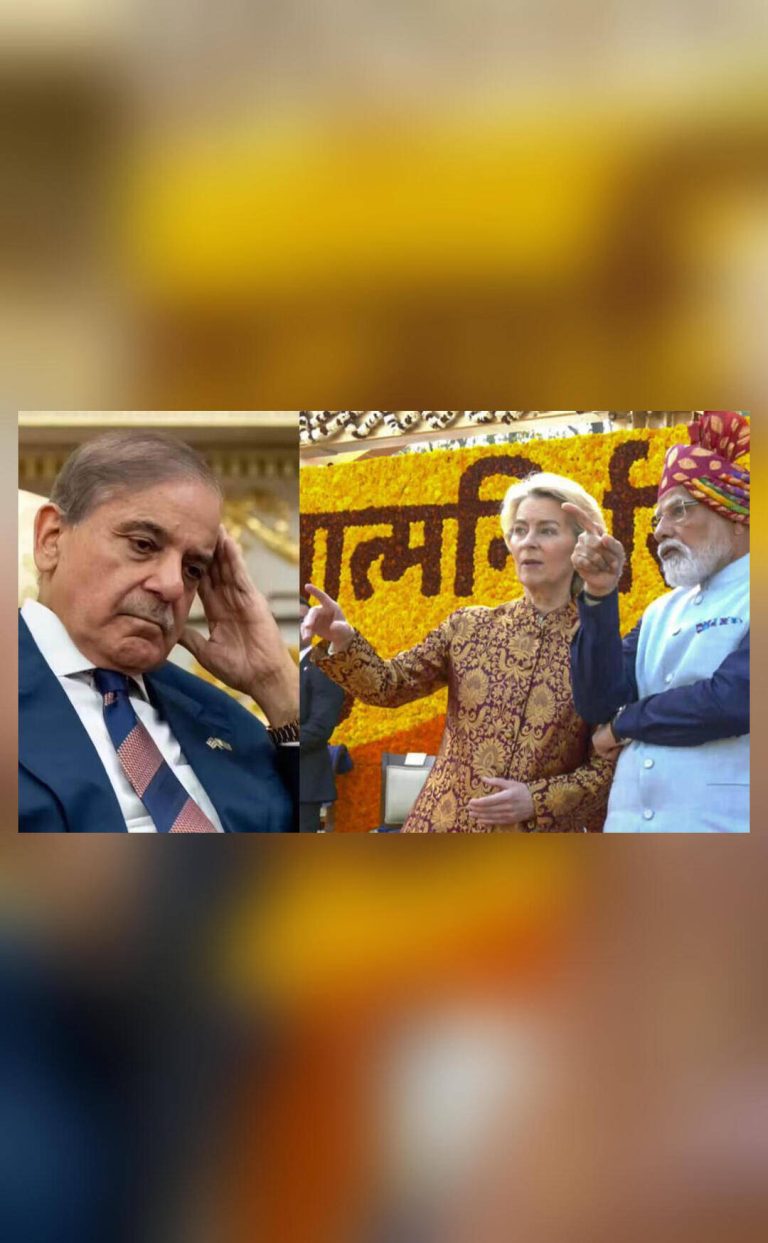
Pakistan releases statement after India and EU announce ‘mother of all trade deals’
In a recent development, India and the European Union (EU) have announced a landmark free trade agreement (FTA), dubbed the “mother of all trade deals”. This significant move is expected to have far-reaching implications for global trade, and neighboring countries, including Pakistan, are taking notice. Commenting on this development, Pakistan has released a statement, highlighting its existing relationship with the EU and the benefits it has derived from the EU’s Generalized System of Preferences (GSP+) scheme.
According to the statement, “We are aware of this agreement. We have seen reports and as well as the content.” This indicates that Pakistan is closely monitoring the situation and is aware of the potential implications of the India-EU FTA on its own trade relations with the EU. Pakistan has traditionally maintained strong diplomatic and trade ties with the EU, and it is keen to safeguard its interests in the face of this new development.
Pakistan’s statement also emphasized its long-standing friendly relations with the EU, highlighting the mutually beneficial nature of their partnership. “Pakistan maintains long standing friendly…relations with EU…The EU GSP+ scheme for Pakistan has proven to be a win-win…for bilateral cooperation…The total volume between our two sides stands at €12 billion,” it added. This statement underscores the significance of the EU as a major trading partner for Pakistan, with bilateral trade valued at €12 billion.
The EU’s GSP+ scheme has been instrumental in promoting Pakistan’s exports to the EU, providing preferential access to the EU market. The scheme offers duty-free access to the EU market for a wide range of products, including textiles, leather goods, and sports equipment. Pakistan has been a beneficiary of this scheme since 2014, and it has helped to increase the country’s exports to the EU significantly.
However, with the announcement of the India-EU FTA, Pakistan is concerned about the potential loss of its tariff edge in the EU market. The India-EU FTA is expected to provide Indian exporters with preferential access to the EU market, which could erode Pakistan’s competitive advantage. Pakistan is therefore engaging with the EU to safeguard its exports and ensure that its trade relations with the EU are not adversely affected.
In this context, Pakistan’s statement can be seen as an attempt to reassure its citizens and the international community that it is proactively addressing the potential implications of the India-EU FTA. By highlighting its existing relationship with the EU and the benefits it has derived from the GSP+ scheme, Pakistan is seeking to demonstrate its commitment to maintaining strong trade ties with the EU.
Moreover, Pakistan’s engagement with the EU is also driven by its desire to diversify its trade relations and reduce its dependence on a single market. The country is seeking to explore new opportunities for trade and investment, and the EU is an important partner in this endeavor. By strengthening its trade ties with the EU, Pakistan can reduce its vulnerability to external shocks and promote sustainable economic growth.
In conclusion, Pakistan’s statement on the India-EU FTA reflects its concern about the potential implications of this agreement on its trade relations with the EU. However, it also highlights the country’s commitment to maintaining strong ties with the EU and its desire to safeguard its exports. As Pakistan engages with the EU to address its concerns, it is essential to recognize the significance of the EU as a major trading partner for Pakistan. The EU’s GSP+ scheme has been instrumental in promoting Pakistan’s exports, and it is essential to ensure that this scheme continues to benefit Pakistan in the face of increasing competition from other countries.
Pakistan’s proactive approach to addressing the implications of the India-EU FTA is a positive development, and it reflects the country’s commitment to promoting its trade and economic interests. As the country navigates the complexities of global trade, it is essential to maintain a strong and stable relationship with key trading partners like the EU.
About the Author