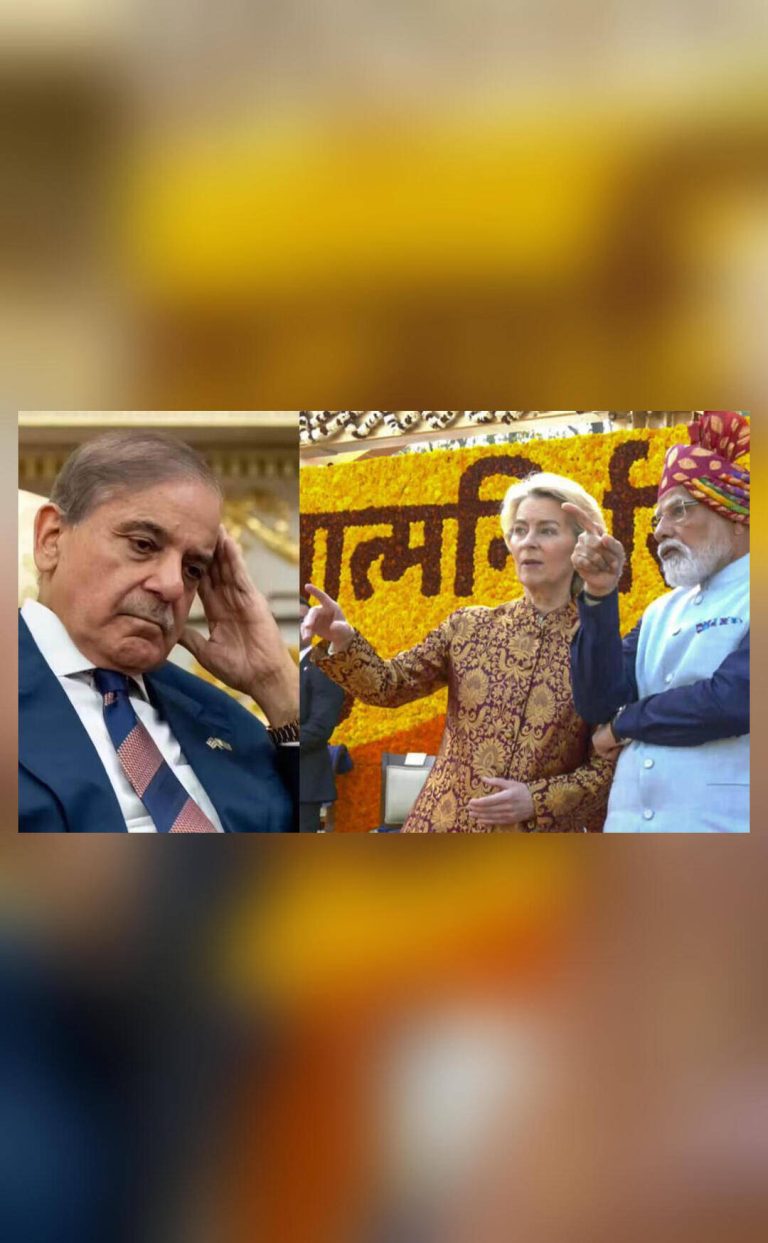
Pakistan releases statement after India and EU announce ‘mother of all trade deals’
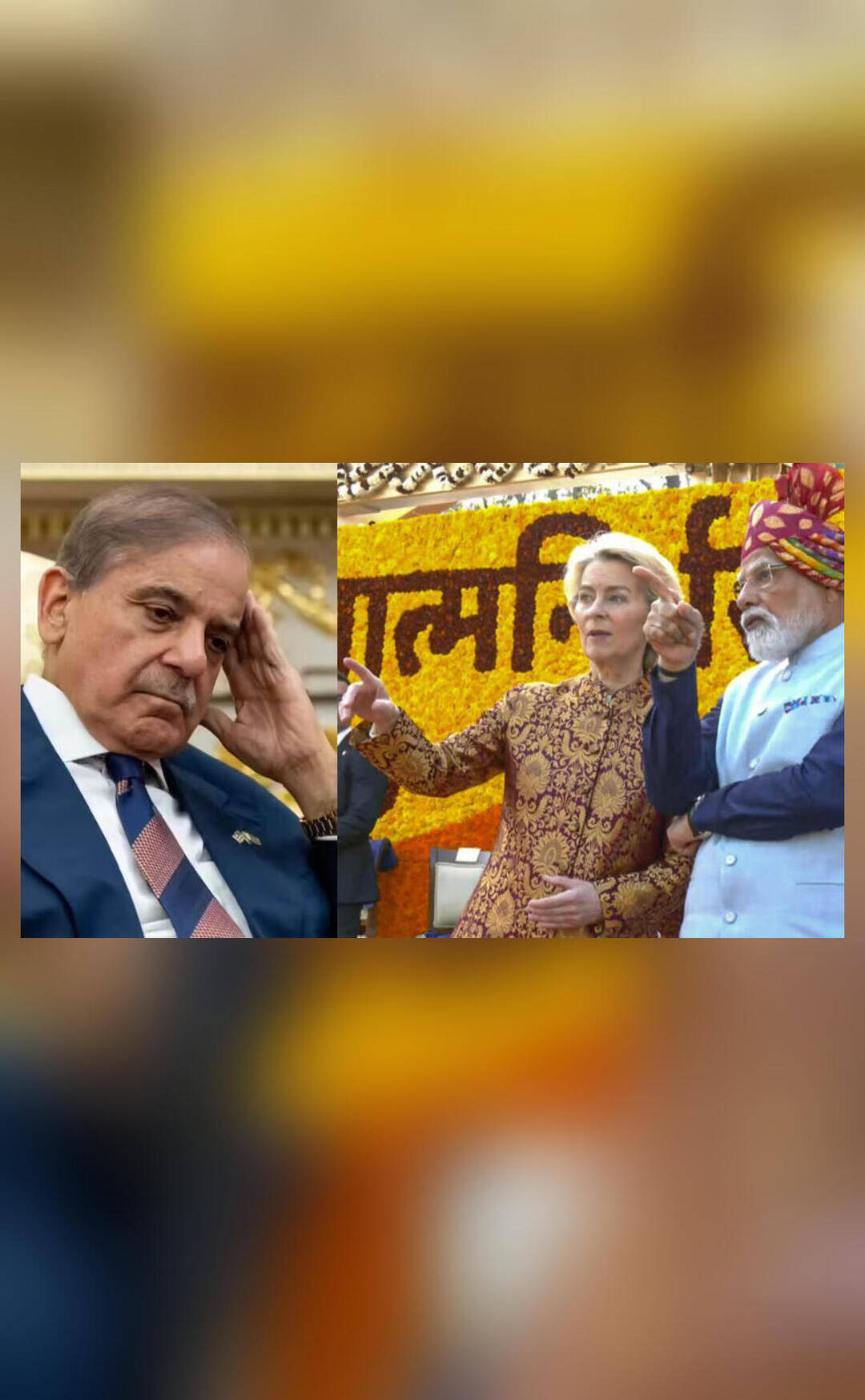
The recent announcement of a free trade agreement (FTA) between India and the European Union (EU) has sent shockwaves across the globe, with many countries taking notice of the massive trade deal. Pakistan, in particular, has been keeping a close eye on the developments, as it has significant trade relations with the EU. In a statement released by the Pakistani government, they acknowledged the India-EU trade deal, stating, “We are aware of this agreement. We have seen reports and as well as the content.”
Pakistan’s statement comes as no surprise, given the country’s long-standing friendly relations with the EU. The EU has been one of Pakistan’s largest trading partners, with the two sides enjoying a significant volume of trade. According to the Pakistani government, “Pakistan maintains long standing friendly…relations with EU…The EU GSP+ scheme for Pakistan has proven to be a win-win…for bilateral cooperation…The total volume between our two sides stands at €12 billion.” The GSP+ (Generalized System of Preferences Plus) scheme is a preferential tariff system offered by the EU to certain developing countries, including Pakistan, which provides duty-free access to the EU market for a wide range of products.
The India-EU FTA, dubbed the “mother of all trade deals,” is expected to have a significant impact on global trade. The agreement will provide Indian exporters with preferential access to the EU market, which could potentially lead to an increase in Indian exports to the EU. This, in turn, could lead to a decline in Pakistan’s exports to the EU, as Indian products may become more competitive due to the preferential tariffs. Pakistan is concerned that the FTA could erode its tariff advantage in the EU market, which it currently enjoys under the GSP+ scheme.
To mitigate the potential impact of the India-EU FTA, Pakistan has engaged with the EU to safeguard its exports. According to reports, Pakistani officials have been in talks with their EU counterparts to ensure that Pakistan’s trade interests are protected. Pakistan is seeking to maintain its existing tariff advantages in the EU market, which are crucial for its exports. The country is also exploring other options, including the possibility of negotiating its own FTA with the EU.
The India-EU FTA is expected to have far-reaching implications for global trade. The agreement will not only increase trade between India and the EU but also have a ripple effect on other countries that trade with the EU. Pakistan, in particular, will need to be vigilant in protecting its trade interests, as the FTA could potentially disrupt its existing trade relationships with the EU.
In recent years, Pakistan has made significant strides in increasing its exports to the EU, thanks to the GSP+ scheme. The country’s exports to the EU have grown significantly, with the EU becoming one of Pakistan’s largest export markets. However, with the India-EU FTA, Pakistan may face increased competition from Indian exporters, which could lead to a decline in its exports to the EU.
To stay competitive, Pakistan will need to diversify its export base and explore new markets. The country has been actively pursuing FTAs with other countries, including China, to increase its trade volumes. Pakistan has also been investing in its infrastructure, including its ports and logistics facilities, to improve its trade competitiveness.
In conclusion, the India-EU FTA is a significant development that will have far-reaching implications for global trade. Pakistan, with its significant trade relations with the EU, will need to be vigilant in protecting its trade interests. The country’s engagement with the EU to safeguard its exports is a positive step, and it is essential that Pakistan continues to work closely with the EU to maintain its existing tariff advantages. As the global trade landscape continues to evolve, Pakistan must stay competitive and adapt to the changing trade dynamics to ensure its economic growth and development.
About the Author