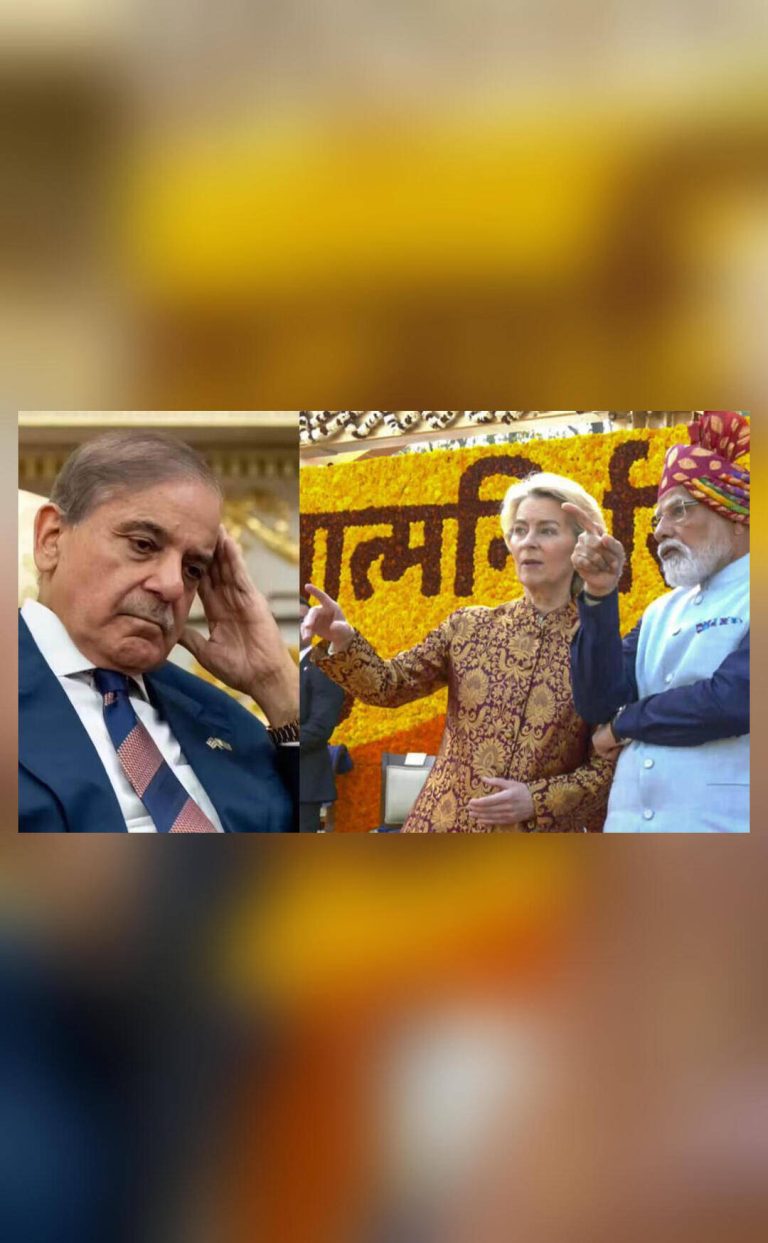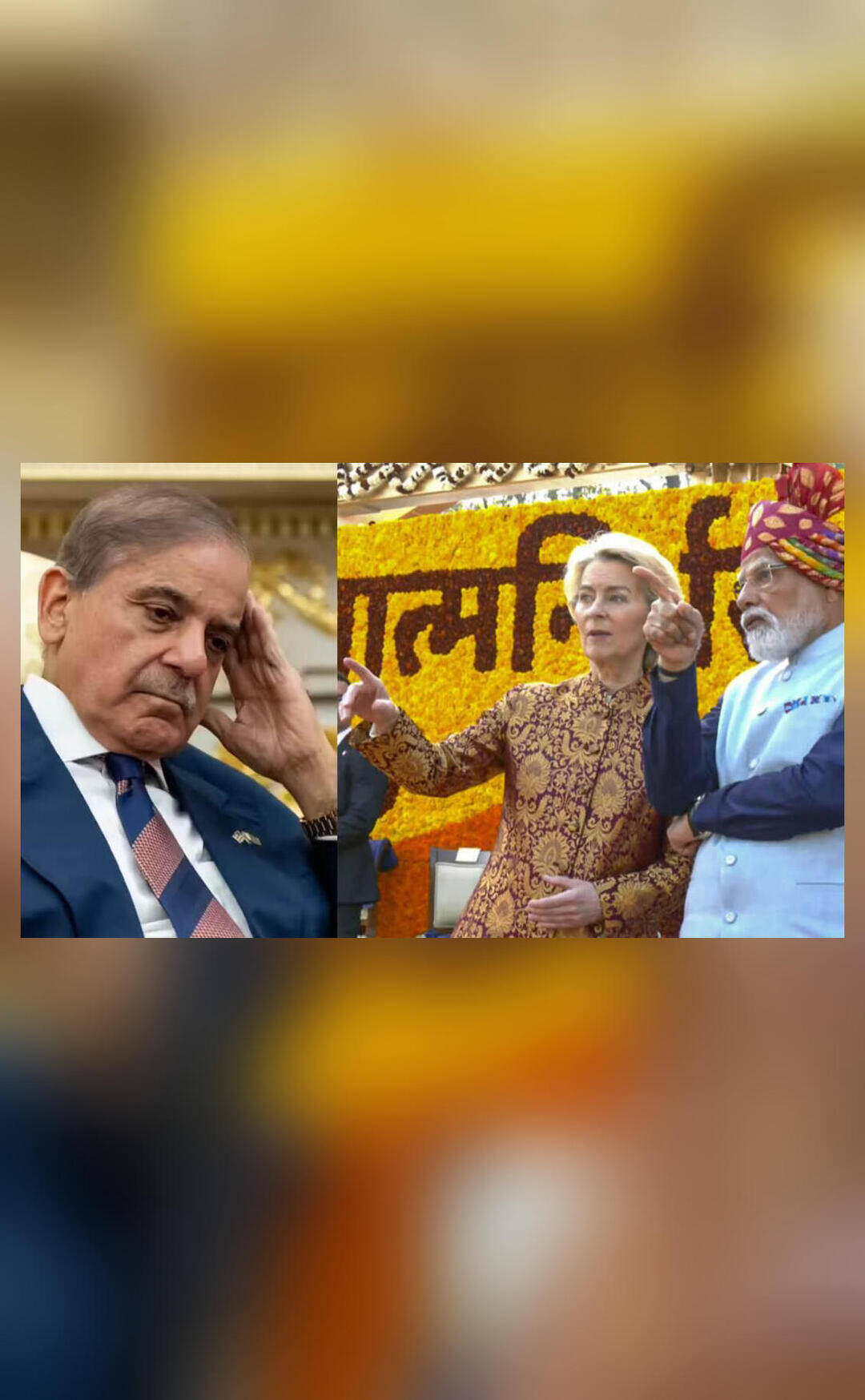
Pakistan releases statement after India and EU announce ‘mother of all trade deals’
The recent announcement of a free trade agreement (FTA) between India and the European Union (EU) has sent shockwaves across the globe, with many countries taking notice of the potential implications of this monumental deal. Pakistan, in particular, has been closely watching the developments, given its own trade relations with the EU. In a statement released by the Pakistani government, officials acknowledged the India-EU FTA, stating, “We are aware of this agreement. We have seen reports and as well as the content.” This response comes as no surprise, considering the significant trade ties between Pakistan and the EU.
Pakistan maintains long-standing friendly relations with the EU, which have been strengthened over the years through various cooperation agreements. The EU’s Generalized System of Preferences Plus (GSP+) scheme has been a crucial aspect of Pakistan’s trade relations with the EU, providing the country with preferential access to the European market. The GSP+ scheme has proven to be a win-win for bilateral cooperation, with Pakistan benefiting from increased exports to the EU. According to the Pakistani government, “The total volume between our two sides stands at €12 billion,” highlighting the substantial trade volume between the two entities.
The India-EU FTA, dubbed the “mother of all trade deals,” is expected to have far-reaching consequences for global trade. The agreement aims to reduce tariffs and other trade barriers, increasing trade between India and the EU. While this deal may bring significant benefits to both India and the EU, it also poses a threat to other countries, including Pakistan, which have traditionally enjoyed preferential access to the European market. The Pakistani government is aware of the potential risks and is taking steps to safeguard its exports to the EU.
Pakistan’s concerns regarding the India-EU FTA are primarily centered around the potential loss of its GSP+ tariff edge. The GSP+ scheme provides Pakistan with a competitive advantage in the European market, allowing it to export goods at a lower tariff rate compared to other countries. However, with the India-EU FTA, India may gain similar, if not better, access to the European market, potentially eroding Pakistan’s competitive edge. To mitigate this risk, Pakistan is engaging with the EU to ensure that its exports are protected and that the country can continue to benefit from the GSP+ scheme.
The Pakistani government is also exploring other options to diversify its trade relations and reduce its dependence on the EU market. Officials are engaged in negotiations with other countries, including China, to increase trade and investment. Additionally, Pakistan is focusing on improving its domestic economy, with a emphasis on increasing exports and reducing imports. These efforts aim to reduce the country’s trade deficit and make it more competitive in the global market.
In conclusion, the India-EU FTA has significant implications for global trade, and Pakistan is taking a proactive approach to safeguard its exports to the EU. While the country acknowledges the potential risks, it is also confident in its long-standing friendly relations with the EU and the benefits of the GSP+ scheme. As the situation unfolds, it will be essential to monitor the developments and assess the impact of the India-EU FTA on Pakistan’s trade relations with the EU.
The Pakistani government’s statement on the India-EU FTA is a clear indication of the country’s awareness of the potential consequences of this deal. By engaging with the EU and exploring other trade options, Pakistan is taking a pragmatic approach to mitigate the risks and protect its exports. As the global trade landscape continues to evolve, it is crucial for countries like Pakistan to remain vigilant and adapt to the changing circumstances.
In the coming months and years, it will be interesting to see how the India-EU FTA unfolds and how it affects Pakistan’s trade relations with the EU. One thing is certain, however: Pakistan will continue to prioritize its trade ties with the EU, while also exploring other opportunities to diversify its trade relations and reduce its dependence on a single market.
About the Author