No communal angle, he was ‘top criminal’: B’desh on lynching of Hindu man Amrit Mondal
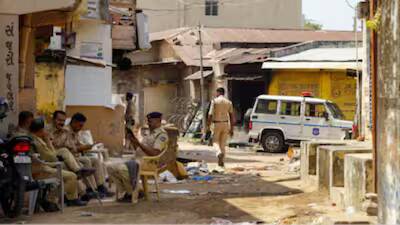
In a shocking turn of events, Bangladesh has downplayed the lynching of a Hindu man, Amrit Mondal, by stating that it was not a communal incident. Instead, the country has labeled the victim as a “top criminal” and attributed the incident to a violent situation triggered by extortion and terrorist activities. This statement comes after a second Hindu man was lynched within a week in Bangladesh, sparking widespread concern and outrage.
The incident has raised questions about the safety and security of minority communities in Bangladesh, particularly in the wake of the murder of radical leader Osman Hadi, which has triggered protests across the country. The Bangladesh government’s response to the lynching of Amrit Mondal has been met with skepticism, with many arguing that the incident has a clear communal angle.
According to reports, Amrit Mondal was beaten to death by a mob in a village in Bangladesh. The incident occurred just days after another Hindu man, Dipu Chandra Das, was killed in a similar manner. The back-to-back lynchings have sent shockwaves through the Hindu community in Bangladesh, with many fearing for their lives and livelihoods.
The Bangladesh government’s claim that the lynching of Amrit Mondal was not a communal incident has been questioned by many. The government’s statement that the incident arose from a violent situation triggered by extortion and terrorist activities has been seen as an attempt to downplay the communal aspect of the incident.
It is worth noting that Bangladesh has a history of communal violence, particularly against the Hindu minority. In recent years, there have been several incidents of violence and intimidation against Hindus, including attacks on temples and homes. The government’s response to these incidents has been criticized for being inadequate and ineffective.
The lynching of Amrit Mondal and Dipu Chandra Das is a stark reminder of the dangers faced by minority communities in Bangladesh. The incidents have sparked widespread outrage and concern, with many calling for greater protection and security for Hindus and other minority groups.
The protests that have erupted in Bangladesh after the murder of radical leader Osman Hadi have added to the sense of unease and tension in the country. The government’s handling of the situation has been criticized for being heavy-handed, with many arguing that the crackdown on protesters has only served to exacerbate the situation.
In conclusion, the lynching of Amrit Mondal and Dipu Chandra Das is a tragic reminder of the dangers faced by minority communities in Bangladesh. The government’s response to the incident, which has downplayed the communal angle and labeled the victim as a “top criminal”, has been met with skepticism and outrage. It is imperative that the government takes immediate action to ensure the safety and security of all citizens, regardless of their religion or ethnicity.
The international community must also take notice of the situation in Bangladesh and press the government to take concrete steps to protect minority communities. The incident is a stark reminder of the need for greater tolerance, understanding, and respect for diversity in all societies.
As the situation in Bangladesh continues to unfold, it is essential that the government and civil society organizations work together to promote peace, understanding, and respect for all communities. The lynching of Amrit Mondal and Dipu Chandra Das must serve as a wake-up call for all of us to stand together against violence, intolerance, and hatred.
About the Author