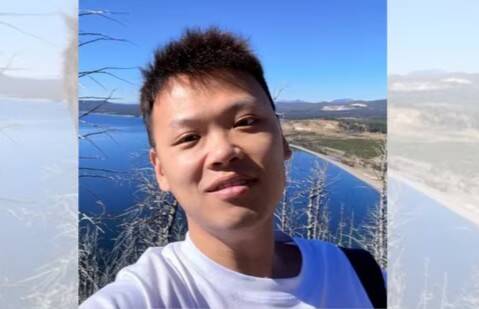
Meta Scientist Zifan Wang on ‘Genius Visa’ Denied Re-Entry into US
The United States has long been a hub for technological innovation and advancement, attracting top talent from around the world. However, a recent incident has raised concerns about the country’s immigration policies and their impact on the tech industry. Meta AI researcher Zifan Wang, a prominent figure in the field of artificial intelligence, was denied re-entry into the US after returning from a visit to China. This incident has sparked a heated debate about the treatment of highly skilled immigrants and the potential consequences for the US tech industry.
Wang, who had been living in the US for seven years, was working legally on an O-1 visa, which is reserved for individuals of “extraordinary ability” in their field. The O-1 visa is often referred to as the “genius visa” because of its stringent requirements and the high level of expertise it demands. Despite meeting these requirements and contributing significantly to the US tech industry, Wang was denied re-entry into the country.
The incident came to light when Wang took to social media to express his frustration and disappointment. He announced that he would be moving to London instead, citing the uncertainty and unpredictability of the US immigration system. Wang’s decision to leave the US and relocate to the UK has sparked concerns about the potential brain drain and the impact it could have on the US tech industry.
The US has long been a leader in the tech industry, with companies like Google, Facebook, and Apple driving innovation and growth. However, the country’s immigration policies have been a subject of debate in recent years. The Trump administration’s “America First” policy and the subsequent travel bans have created uncertainty and anxiety among immigrants, including those working in the tech industry.
The O-1 visa, which Wang held, is a non-immigrant visa that allows individuals with extraordinary abilities to work in the US for a specific period. The visa is highly sought after, and the application process is rigorous, requiring applicants to demonstrate their expertise and achievements in their field. Wang’s denial of re-entry, despite meeting these requirements, raises questions about the consistency and fairness of the US immigration system.
The incident has also highlighted the competition for top talent in the tech industry. Other countries, like the UK, Canada, and Australia, have been actively courting highly skilled immigrants, offering them attractive visa options and a more streamlined application process. The UK, in particular, has been actively promoting its tech industry, with initiatives like the Tech Nation visa, which offers a fast-tracked visa process for tech entrepreneurs and skilled workers.
Wang’s decision to move to London is a significant loss for the US tech industry. As a Meta AI researcher, Wang was working on cutting-edge projects, including natural language processing and computer vision. His expertise and contributions would have been valuable assets to the US tech industry, and his departure could have long-term consequences for the country’s competitiveness in the global tech landscape.
The incident has also sparked a debate about the need for immigration reform in the US. The current system is often criticized for being outdated, complex, and unpredictable, creating uncertainty and anxiety among immigrants. The US tech industry has long advocated for a more streamlined and efficient immigration system, one that would allow highly skilled workers to contribute to the country’s growth and innovation.
In conclusion, the denial of re-entry to Meta AI researcher Zifan Wang is a significant incident that highlights the challenges and uncertainties of the US immigration system. The incident has sparked a heated debate about the treatment of highly skilled immigrants and the potential consequences for the US tech industry. As the global competition for top talent intensifies, the US must re-examine its immigration policies and create a more welcoming and inclusive environment for highly skilled workers. The country’s ability to attract and retain top talent will be crucial in driving innovation and growth in the tech industry, and incidents like Wang’s denial of re-entry could have long-term consequences for the US’s competitiveness in the global tech landscape.
About the Author