Meta Scientist Zifan Wang on ‘Genius Visa’ Denied Re-Entry into US
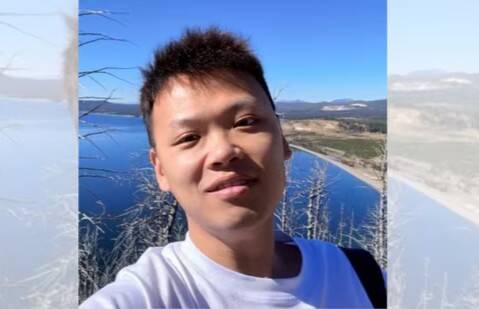
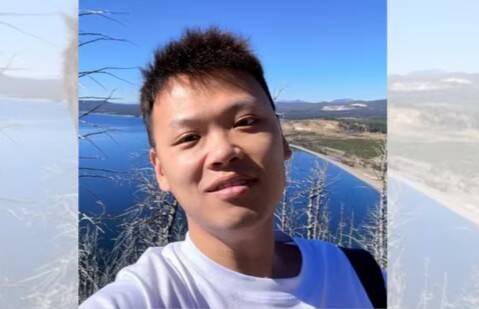
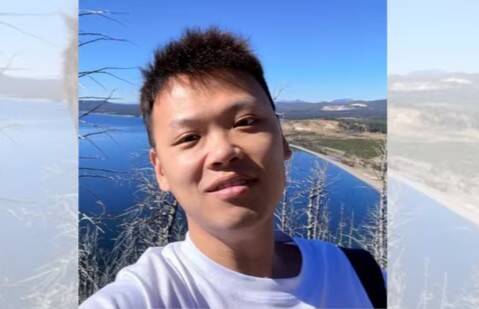
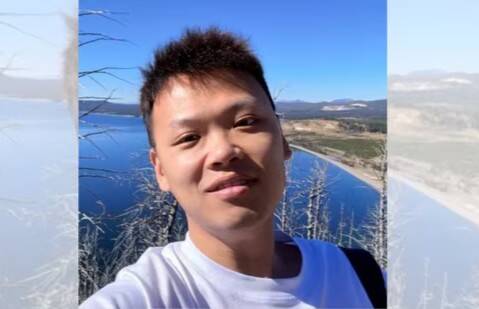
The United States has long been a hub for innovation and technological advancement, attracting some of the brightest minds from around the world. However, a recent incident has highlighted the challenges faced by foreign nationals, even those with exceptional abilities, in navigating the complex US immigration system. Zifan Wang, a Meta AI researcher, took to social media to express his frustration after being denied re-entry into the US after a visit to China. Wang, who had been living in the US for seven years on an O-1 visa, reserved for individuals of “extraordinary ability,” has now announced plans to relocate to London.
Wang’s story is a stark reminder of the uncertainties and difficulties faced by foreign nationals working in the US, even those with specialized skills and expertise. The O-1 visa, also known as the “genius visa,” is a non-immigrant visa reserved for individuals who have demonstrated extraordinary ability in fields such as science, technology, engineering, and mathematics (STEM). To qualify for an O-1 visa, applicants must provide extensive documentation, including letters of recommendation, proof of awards and publications, and evidence of their exceptional abilities.
Despite meeting these stringent requirements, Wang was denied re-entry into the US, leaving him feeling disappointed and disillusioned. His experience is not an isolated incident, as many foreign nationals have reported facing similar challenges when attempting to re-enter the US after traveling abroad. The reasons for these denials can vary, but they often involve issues with documentation, changes in employment status, or shifts in US immigration policies.
The impact of such denials can be far-reaching, affecting not only the individual but also their employers, colleagues, and the broader scientific community. In Wang’s case, his departure from the US will likely be felt by Meta, his former employer, as well as the AI research community, which will lose a talented and experienced researcher. Moreover, the denial of re-entry to someone like Wang, who has made significant contributions to his field, raises questions about the effectiveness of the US immigration system in attracting and retaining top talent.
Wang’s decision to relocate to London is not surprising, given the UK’s more welcoming approach to foreign talent. The UK has implemented various initiatives to attract highly skilled workers, including the Global Talent visa, which provides a more streamlined and flexible pathway for individuals with exceptional abilities. London, in particular, has become a hub for AI research and development, with many top universities and research institutions, as well as a thriving startup ecosystem.
The loss of talent like Wang’s will likely be felt by the US AI research community, which has long been a global leader in innovation and development. The US has historically been a magnet for top researchers and scientists, but the current immigration landscape is creating uncertainty and driving talent away. As the global competition for AI talent intensifies, the US risks losing its edge if it fails to create a more welcoming and inclusive environment for foreign nationals.
The incident also highlights the need for a more nuanced and flexible approach to US immigration policies. The O-1 visa, while designed to attract exceptional talent, can be inflexible and prone to bureaucratic delays. A more streamlined and efficient process would help to reduce the uncertainty and anxiety faced by foreign nationals, allowing them to focus on their work and contribute to the US economy and society.
In conclusion, the denial of re-entry to Zifan Wang, a Meta AI researcher on an O-1 visa, is a stark reminder of the challenges faced by foreign nationals in the US. Wang’s decision to relocate to London is a loss for the US AI research community, but it also highlights the need for a more welcoming and inclusive approach to immigration policies. As the global competition for AI talent intensifies, the US must create a more flexible and efficient system to attract and retain top researchers and scientists.
About the Author