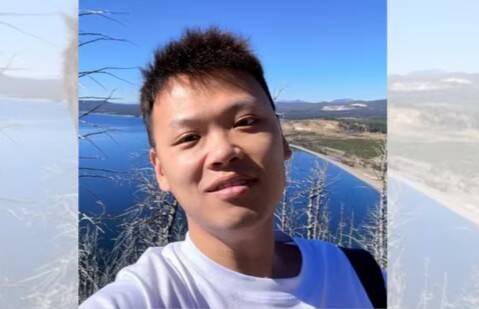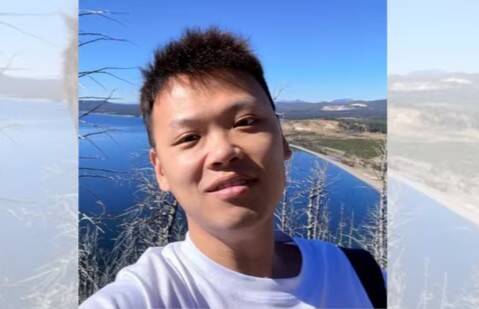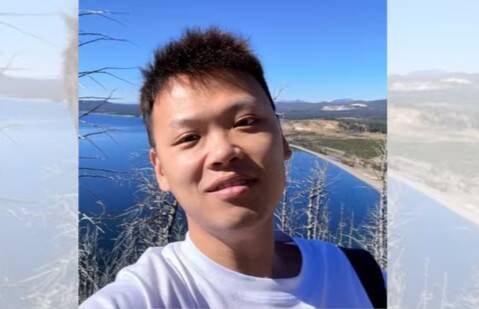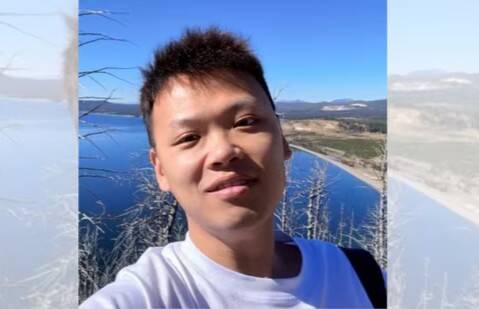
Meta Scientist Zifan Wang on ‘Genius Visa’ Denied Re-Entry into US
The United States has long been a hub for innovation and technological advancement, attracting top talent from around the world. However, a recent incident has highlighted the challenges faced by foreign nationals, even those with exceptional abilities, in navigating the complex US immigration system. Zifan Wang, a Meta AI researcher, took to social media to express his frustration after being denied re-entry into the United States following a visit to China. Despite holding an O-1 visa, reserved for individuals with “extraordinary ability,” Wang was forced to reconsider his future in the US.
Wang had been living in the US for seven years, working legally on his O-1 visa, which is designed for individuals who have demonstrated extraordinary ability in their field. The O-1 visa is often referred to as the “genius visa” due to its stringent requirements, which include demonstrating national or international recognition in the field, as well as a record of extraordinary achievement. Wang’s work at Meta, a leading technology company, was a testament to his exceptional abilities, and his contributions to the field of AI research were undeniable.
However, despite his impressive credentials and lawful residence in the US, Wang was denied re-entry into the country after a visit to China. This decision was not only unexpected but also raised concerns about the fairness and consistency of the US immigration system. Wang, who had built a life and career in the US over the past seven years, was suddenly faced with the prospect of having to leave the country he had come to call home.
The news of Wang’s denial of re-entry sparked a wave of concern and outrage on social media, with many of his colleagues and peers expressing support and solidarity. The incident highlighted the challenges faced by foreign nationals, even those with exceptional abilities, in navigating the complex and often unpredictable US immigration system. The O-1 visa, in particular, is designed to attract top talent to the US, but the denial of re-entry to someone like Wang raises questions about the effectiveness of this program.
Wang’s decision to announce that he would be moving to London instead of pursuing further action to regain entry into the US was telling. The UK, with its more streamlined and welcoming immigration policies, has become an attractive destination for top talent from around the world. The loss of Wang’s expertise and contributions to the US AI research community will undoubtedly be felt, and his departure serves as a reminder of the competitive nature of the global talent market.
The incident also highlights the need for a more nuanced and efficient immigration system in the US. The O-1 visa program, while well-intentioned, can be slow and unpredictable, leaving applicants in limbo for extended periods. The denial of re-entry to someone like Wang, who has demonstrated extraordinary ability and made significant contributions to the US, raises questions about the fairness and consistency of the system.
As the US continues to grapple with the challenges of attracting and retaining top talent, incidents like Wang’s denial of re-entry serve as a reminder of the need for reform. The US immigration system must be able to balance national security concerns with the need to attract and retain exceptional individuals who can contribute to the country’s economic and technological advancement.
In conclusion, the denial of re-entry to Meta scientist Zifan Wang, a holder of the coveted O-1 “genius visa,” serves as a stark reminder of the challenges faced by foreign nationals in navigating the complex US immigration system. As the US continues to compete for top talent in the global market, incidents like Wang’s highlight the need for a more efficient, streamlined, and welcoming immigration system. The loss of Wang’s expertise and contributions to the US AI research community will undoubtedly be felt, and his decision to move to London instead serves as a testament to the competitive nature of the global talent market.
About the Author