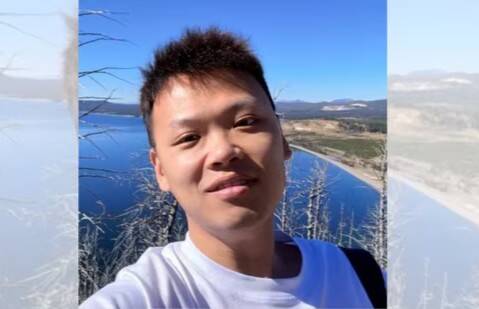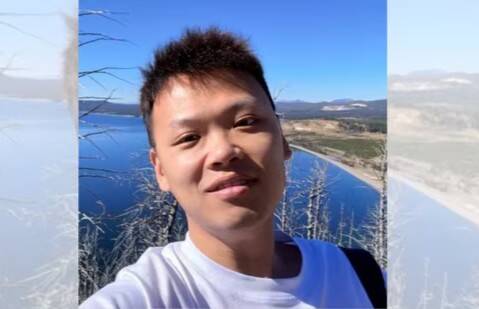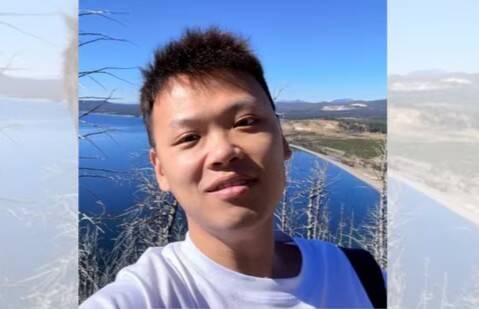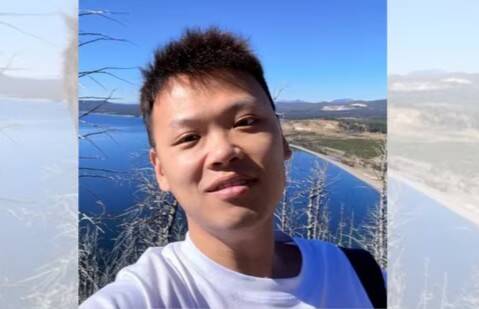
Meta Scientist Zifan Wang on ‘Genius Visa’ Denied Re-Entry into US
The United States has long been a hub for innovation and technological advancements, attracting top talent from around the world. However, a recent incident has raised concerns about the country’s immigration policies and their impact on the tech industry. Zifan Wang, a Meta AI researcher, was denied re-entry into the US after returning from a visit to China, despite holding a valid O-1 visa. The O-1 visa, also known as the “genius visa,” is reserved for individuals with extraordinary abilities in fields such as science, technology, engineering, and mathematics (STEM).
Wang, who had been living in the US for seven years and working legally on his O-1 visa, took to social media to express his frustration and disappointment. He announced that he would be moving to London instead, citing the uncertainty and unpredictability of the US immigration system. This incident has sparked a heated debate about the treatment of highly skilled immigrants in the US and the potential consequences for the country’s tech industry.
The O-1 visa is designed to attract and retain top talent in the US, allowing individuals with extraordinary abilities to work and contribute to the country’s innovation ecosystem. However, the visa process can be lengthy and complex, with strict requirements and a high level of scrutiny. Despite meeting the necessary criteria and holding a valid visa, Wang was still denied re-entry into the US, highlighting the arbitrary nature of the immigration system.
Wang’s experience is not an isolated incident. Many highly skilled immigrants have faced similar challenges and uncertainty when navigating the US immigration system. The current system can be daunting, with long wait times, strict requirements, and a lack of transparency. This can lead to frustration, anxiety, and a sense of insecurity, ultimately driving top talent away from the US.
The loss of talented individuals like Wang can have significant consequences for the US tech industry. The industry relies heavily on international talent, with many top companies, including Meta, Google, and Microsoft, employing highly skilled immigrants. The departure of these individuals can lead to a brain drain, with the US losing out on innovative ideas, expertise, and entrepreneurial spirit.
Moreover, the current immigration system can also impact the US economy. A study by the National Foundation for American Policy found that immigrants have started more than half of the startup companies in the US that have gone on to become billion-dollar companies. The study also found that these companies have created thousands of jobs and generated billions of dollars in revenue. By driving away highly skilled immigrants, the US may be losing out on significant economic opportunities.
Wang’s decision to move to London is not surprising, given the uncertainty and unpredictability of the US immigration system. The UK has been actively courting top tech talent, with a more streamlined and efficient immigration system. The UK’s Tier 1 visa, for example, is designed to attract highly skilled individuals, with a faster and more predictable application process.
The incident has also sparked a debate about the role of social media in highlighting immigration issues. Wang’s tweet about his experience went viral, generating widespread attention and sympathy. Social media platforms can be a powerful tool for raising awareness about immigration issues, providing a platform for individuals to share their experiences and connect with others who have faced similar challenges.
In conclusion, the denial of re-entry to the US for Meta scientist Zifan Wang highlights the need for a more efficient and predictable immigration system. The US tech industry relies heavily on international talent, and the loss of highly skilled immigrants can have significant consequences for innovation and economic growth. As the US continues to compete with other countries for top talent, it is essential to reform the immigration system to make it more welcoming and inclusive.
Wang’s experience serves as a reminder that the US is not the only destination for highly skilled immigrants. Countries like the UK, Canada, and Australia are actively courting top tech talent, with more streamlined and efficient immigration systems. The US must take steps to reform its immigration system, providing a more predictable and welcoming environment for highly skilled immigrants.
As the US tech industry continues to evolve and grow, it is essential to prioritize the needs of highly skilled immigrants. This includes streamlining the visa application process, reducing wait times, and providing more transparency and predictability. By doing so, the US can retain top talent, drive innovation, and remain a leader in the global tech industry.
About the Author