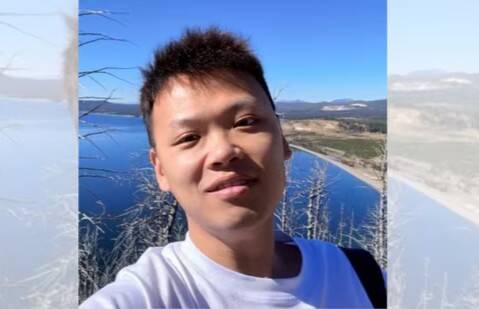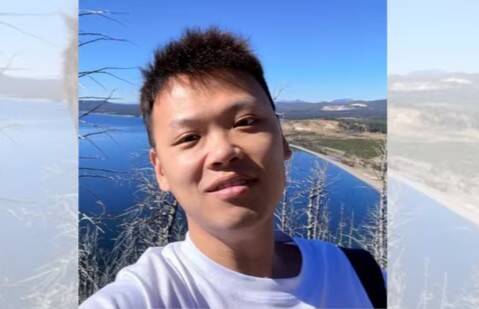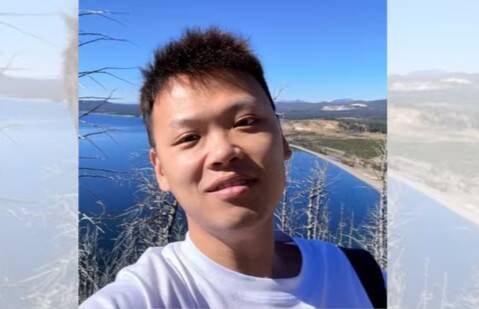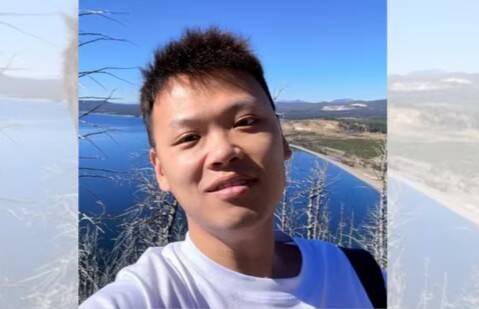
Meta Scientist Zifan Wang on ‘Genius Visa’ Denied Re-Entry into US
The United States has long been a hub for innovation and technological advancement, attracting top talent from around the world. However, a recent incident has highlighted the challenges faced by foreign nationals working in the US, even those with exceptional abilities. Meta AI researcher Zifan Wang, who had been living in the US for seven years on an O-1 visa, was denied re-entry into the country after a visit to China. The news has sparked a debate about the treatment of highly skilled immigrants in the US and the potential consequences for the country’s tech industry.
Wang, who worked at Meta, the parent company of Facebook and Instagram, had been granted an O-1 visa, also known as the “genius visa,” which is reserved for individuals with “extraordinary ability” in their field. The O-1 visa is designed to allow highly skilled individuals to work in the US, contributing to the country’s innovation and economic growth. However, despite meeting the stringent requirements for the visa, Wang was denied re-entry into the US, leaving him stunned and frustrated.
The incident occurred when Wang returned to the US after a visit to China. Despite having a valid O-1 visa and a job offer from Meta, Wang was stopped at the border and denied entry into the country. The reason for the denial was not immediately clear, but Wang speculated that it might be related to his travel history or his work on AI-related projects. The experience was traumatic for Wang, who had built a life in the US over the past seven years and had established himself as a prominent researcher in his field.
Wang took to social media to express his frustration and disappointment at the treatment he received. He announced that he would be moving to London instead, citing the uncertainty and unpredictability of the US immigration system. The news sparked a wave of support from the tech community, with many expressing their disappointment and concern about the impact of such incidents on the US tech industry.
The incident highlights the challenges faced by foreign nationals working in the US, even those with exceptional abilities. The O-1 visa is designed to attract top talent to the US, but the application process can be lengthy and unpredictable. The visa requirements are stringent, and the approval process can take several months or even years. Moreover, even with a valid visa, individuals can face challenges when re-entering the US, as Wang’s experience demonstrates.
The incident also raises questions about the impact of US immigration policies on the country’s tech industry. The US has long been a leader in innovation and technological advancement, but the current immigration policies may be driving top talent away. The loss of highly skilled individuals like Wang can have significant consequences for the US tech industry, as they take their expertise and knowledge to other countries.
Wang’s decision to move to London is not an isolated incident. Many highly skilled individuals are choosing to leave the US or opt for other countries with more predictable and welcoming immigration policies. The UK, Canada, and Australia are among the countries that have implemented policies to attract top talent, offering more streamlined and efficient immigration processes.
The incident has sparked a debate about the need for reform in the US immigration system. The current system is complex and often unpredictable, making it challenging for highly skilled individuals to navigate. The O-1 visa, in particular, is designed to attract top talent, but the application process and approval criteria can be subjective and inconsistent.
In conclusion, the incident involving Meta AI researcher Zifan Wang highlights the challenges faced by foreign nationals working in the US, even those with exceptional abilities. The denial of re-entry into the US, despite having a valid O-1 visa, is a concerning incident that raises questions about the impact of US immigration policies on the country’s tech industry. As the US continues to compete for top talent in the global market, it is essential to reform the immigration system to make it more efficient, predictable, and welcoming to highly skilled individuals.
The news of Wang’s experience serves as a reminder of the need for a more streamlined and efficient immigration process, one that recognizes the value of highly skilled individuals and provides them with a clear and predictable path to working in the US. Until then, the US risks losing top talent to other countries, which could have significant consequences for the country’s tech industry and economy.
About the Author