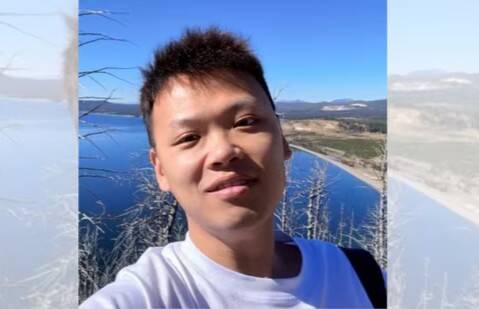
Meta Scientist Zifan Wang on ‘Genius Visa’ Denied Re-Entry into US
The United States has long been a hub for innovation and technological advancement, attracting some of the brightest minds from around the world. One such individual is Zifan Wang, a Meta AI researcher who had been living and working in the US for seven years on an O-1 visa, also known as the “genius visa”. This visa is reserved for people of “extraordinary ability” in fields such as science, technology, engineering, and mathematics (STEM). However, Wang’s experience took an unexpected turn when he was denied re-entry into the US after returning from a visit to China.
Wang took to social media to express his frustration and disappointment at being denied re-entry into the country he had called home for nearly a decade. His story has sparked concerns about the US immigration system and its treatment of highly skilled individuals who are essential to the country’s technological and economic growth. The incident has also raised questions about the impact of the US-China trade tensions on the lives of individuals who have dedicated their careers to advancing science and technology.
Wang’s O-1 visa is a non-immigrant visa that allows individuals with extraordinary abilities to work in the US for a specific period. The visa is often referred to as the “genius visa” because of the high standards that applicants must meet to qualify. To be eligible for an O-1 visa, an individual must demonstrate that they have achieved national or international recognition in their field, and that their work will substantially benefit the US.
Despite meeting these stringent requirements, Wang was denied re-entry into the US, leaving him feeling shocked and disappointed. He announced on social media that he would be moving to London instead, citing the uncertainty and unpredictability of the US immigration system. Wang’s decision to leave the US and relocate to the UK is a significant loss for the American tech industry, which relies heavily on international talent to drive innovation and growth.
The incident highlights the challenges faced by highly skilled immigrants who come to the US to work and contribute to the country’s economic and technological advancement. The O-1 visa program is designed to attract and retain top talent from around the world, but the process of obtaining and maintaining this visa can be complex and unpredictable. The denial of re-entry to someone like Wang, who has a proven track record of achievement and contribution to the US tech industry, raises concerns about the fairness and consistency of the US immigration system.
The US has long been a magnet for international talent, attracting some of the brightest minds from around the world to its universities, research institutions, and tech companies. However, the current immigration system, which is designed to protect American jobs and national security, can often be at odds with the needs of the US tech industry. The industry relies heavily on international talent to fill skills gaps and drive innovation, but the process of obtaining and maintaining a visa can be lengthy, complex, and unpredictable.
Wang’s experience is not an isolated incident. Many highly skilled immigrants have faced similar challenges and uncertainties in their efforts to work and live in the US. The incident highlights the need for a more streamlined and efficient immigration system that can attract and retain top talent from around the world. The US government has taken steps to reform the immigration system, but more needs to be done to ensure that the country remains a welcoming and attractive destination for international talent.
In conclusion, the denial of re-entry to Meta scientist Zifan Wang is a significant loss for the US tech industry and highlights the challenges faced by highly skilled immigrants who come to the US to work and contribute to the country’s economic and technological advancement. The incident raises concerns about the fairness and consistency of the US immigration system and the need for a more streamlined and efficient process that can attract and retain top talent from around the world. As the US continues to compete with other countries for international talent, it is essential that the government takes steps to reform the immigration system and ensure that the country remains a welcoming and attractive destination for the brightest minds from around the world.
About the Author