Meta Scientist Zifan Wang on ‘Genius Visa’ Denied Re-Entry into US
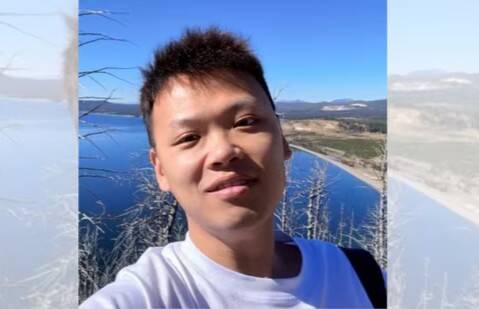
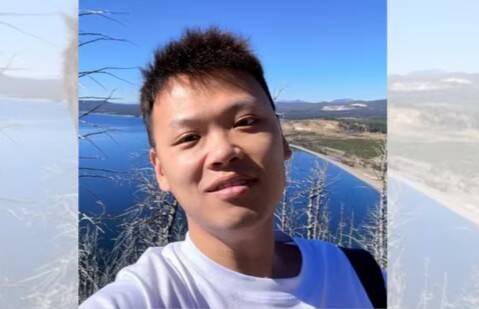
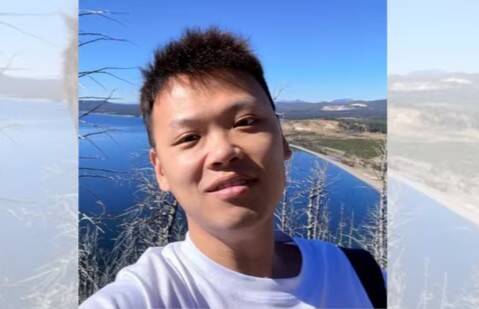
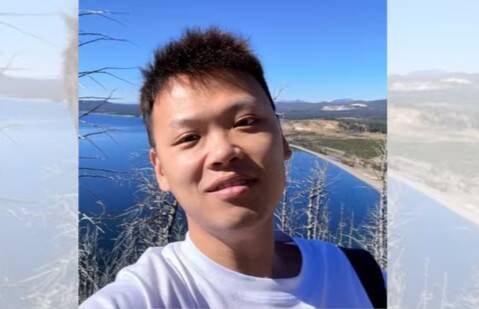
The United States has long been a hub for innovation and technological advancement, attracting some of the brightest minds from around the world. However, a recent incident has highlighted the challenges faced by highly skilled immigrants in the country. Zifan Wang, a Meta AI researcher, was denied re-entry into the US after returning from a visit to China, despite holding a valid O-1 visa, also known as the “genius visa.” This visa is reserved for individuals of “extraordinary ability” in their field, and Wang had been living and working in the US for seven years.
Wang took to social media to express his frustration and disappointment at being denied re-entry into the country. He had been working legally in the US on his O-1 visa, which is typically granted to individuals who have demonstrated exceptional talent and achievement in their field. The O-1 visa is considered one of the most prestigious and difficult to obtain, with applicants required to provide extensive documentation and evidence of their extraordinary abilities.
The news of Wang’s denial of re-entry has sparked concerns about the treatment of highly skilled immigrants in the US. Wang had been a valuable contributor to the tech industry, working on cutting-edge AI research at Meta. His expertise and knowledge would be a significant loss to the US tech community, and his departure could have far-reaching implications for the industry as a whole.
Wang’s experience is not an isolated incident. Many highly skilled immigrants have faced similar challenges in recent years, with some being denied visas or facing lengthy delays in the processing of their applications. The US immigration system has been criticized for being overly complex and bureaucratic, with many applicants facing significant hurdles in their attempts to live and work in the country.
The denial of Wang’s re-entry into the US has also raised questions about the country’s approach to immigration. The O-1 visa is designed to attract the best and brightest talent from around the world, but the experience of Wang and others suggests that the system is not always working as intended. The US has long been a leader in innovation and technological advancement, but the treatment of highly skilled immigrants could potentially undermine this position.
In response to his denial of re-entry, Wang has announced that he will be moving to London instead. This decision is likely to be a significant loss for the US tech industry, as Wang’s expertise and knowledge would be a valuable asset to any organization. The move also highlights the global competition for talent, with other countries such as the UK, Canada, and Australia actively seeking to attract highly skilled immigrants.
The incident has also sparked a debate about the impact of immigration policies on the US economy. The denial of visas to highly skilled immigrants could potentially lead to a brain drain, with talented individuals taking their skills and expertise elsewhere. This could have significant implications for the US tech industry, which relies heavily on foreign talent to drive innovation and growth.
In conclusion, the denial of Zifan Wang’s re-entry into the US is a concerning incident that highlights the challenges faced by highly skilled immigrants in the country. The experience of Wang and others suggests that the US immigration system is not always working as intended, and that the country’s approach to immigration may need to be re-examined. The loss of talented individuals like Wang could have significant implications for the US tech industry, and the country’s position as a leader in innovation and technological advancement.
As the US continues to grapple with the challenges of immigration, it is essential that policymakers consider the impact of their decisions on the economy and the tech industry. The country’s ability to attract and retain highly skilled immigrants will be critical to its continued success in the years to come.
About the Author