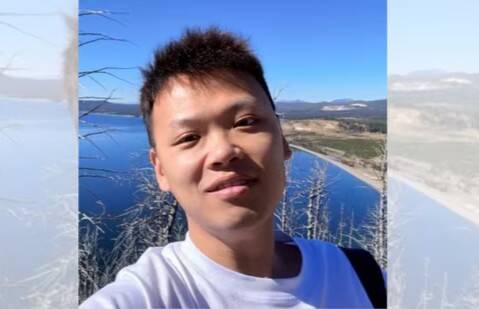
Meta Scientist Zifan Wang on ‘Genius Visa’ Denied Re-Entry into US
The United States has long been a hub for innovation and technological advancement, attracting top talent from around the world. However, a recent incident has highlighted the challenges faced by foreign nationals working in the US, even those with exceptional abilities. Meta AI researcher Zifan Wang, who had been living in the US for seven years on an O-1 visa, was denied re-entry into the country after a visit to China. The news has sparked a heated debate about the US immigration system and its treatment of highly skilled foreign workers.
Wang, who has been working at Meta on artificial intelligence projects, took to social media to express his frustration and disappointment at being denied re-entry into the US. He had been traveling to China and, upon his return, was stopped at the border and told that he would not be allowed to enter the country. This decision has not only affected Wang’s personal life but also his career, as he was forced to make alternative plans.
The O-1 visa, also known as the “genius visa,” is a non-immigrant visa reserved for individuals of “extraordinary ability” in fields such as science, technology, engineering, and mathematics (STEM). To qualify for an O-1 visa, applicants must demonstrate that they have achieved national or international recognition in their field, have a record of extraordinary achievement, and are coming to the US to work in their field of expertise. Wang, with his impressive background and experience in AI research, had met these criteria and had been living and working in the US legally on an O-1 visa.
The denial of Wang’s re-entry into the US has raised concerns about the fairness and consistency of the US immigration system. Many have questioned why someone with Wang’s exceptional abilities and contributions to the US tech industry would be denied re-entry. The incident has also sparked fears among other foreign nationals working in the US on similar visas, who may be worried about their own status and the potential consequences of traveling abroad.
Wang’s experience is not an isolated incident. In recent years, there have been reports of increased scrutiny and delays in the processing of O-1 visa applications, as well as a rise in denials and revocations. This has created uncertainty and anxiety among foreign nationals working in the US, who may be forced to put their careers and lives on hold due to bureaucratic hurdles.
In response to the denial of his re-entry, Wang announced that he would be moving to London instead. This decision is likely to be seen as a loss for the US tech industry, as Wang’s expertise and contributions will now be benefiting a different country. The incident has also highlighted the global competition for talent, with other countries such as the UK, Canada, and Australia actively courting highly skilled foreign workers.
The US has long been a magnet for top talent, but incidents like Wang’s may deter others from pursuing opportunities in the country. The US immigration system is complex and often unpredictable, and the denial of an O-1 visa holder’s re-entry may be seen as a sign of a broader problem. As the US competes with other countries for the best and brightest minds, it is essential that the immigration system is fair, efficient, and supportive of highly skilled foreign workers.
In conclusion, the denial of Meta scientist Zifan Wang’s re-entry into the US on an O-1 visa is a concerning incident that highlights the challenges faced by foreign nationals working in the US. The US immigration system must balance national security concerns with the need to attract and retain top talent from around the world. As the global competition for talent intensifies, the US must ensure that its immigration policies are supportive of highly skilled foreign workers, or risk losing them to other countries.
About the Author