Meta Scientist Zifan Wang on ‘Genius Visa’ Denied Re-Entry into US
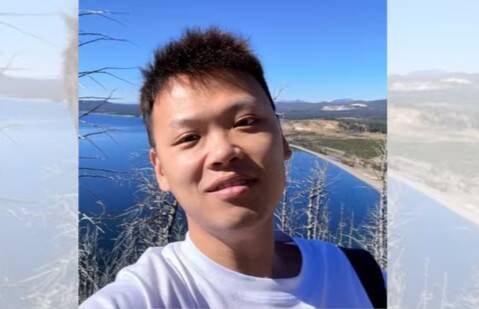
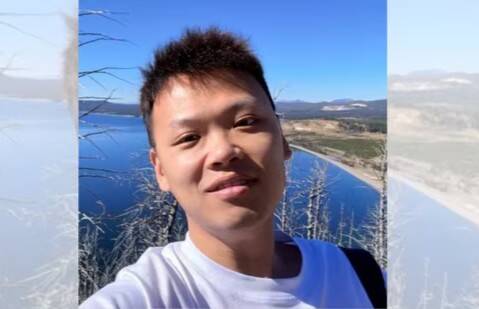
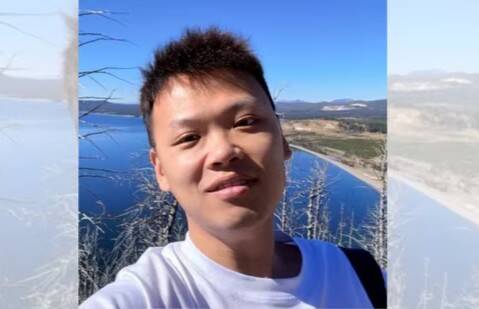
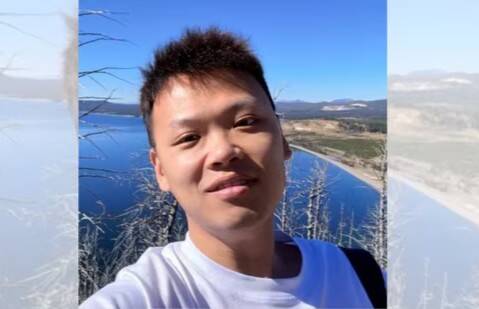
In a shocking turn of events, Meta AI researcher Zifan Wang was denied re-entry into the United States after returning from a visit to China. Wang, who had been living in the US for seven years and working legally on an O-1 visa, took to social media to express his frustration and disappointment. The O-1 visa, also known as the “genius visa,” is reserved for individuals of “extraordinary ability” in their field, and Wang’s denial has raised concerns about the US immigration system and its treatment of highly skilled workers.
Wang’s story began when he traveled to China to visit his family, a trip he had made several times before without any issues. However, upon his return to the US, he was stopped at the border and denied re-entry. The reason for the denial was not immediately clear, but Wang believes it may be related to his work on artificial intelligence and machine learning, areas that have become increasingly sensitive in the US-China trade and technology rivalry.
The O-1 visa is a non-immigrant visa that allows individuals with extraordinary abilities in fields such as science, technology, engineering, and mathematics (STEM) to work in the US for a period of up to three years. To qualify for an O-1 visa, applicants must demonstrate that they have achieved national or international recognition in their field, and that their work will substantially benefit the US.
Wang, who has a Ph.D. in computer science and has published numerous papers on AI and machine learning, clearly meets the criteria for an O-1 visa. His work at Meta, a leading technology company, has focused on developing AI models and algorithms that can be used in a variety of applications, from natural language processing to computer vision.
Despite his impressive credentials and contributions to the field, Wang was denied re-entry into the US. The decision has left him feeling frustrated and disappointed, and has raised concerns about the fairness and consistency of the US immigration system.
“I’ve been living in the US for seven years, and I’ve always followed the rules and done everything by the book,” Wang said in a social media post. “I’ve paid my taxes, I’ve contributed to the US economy, and I’ve made significant contributions to my field. And yet, I’m being denied re-entry into the country I call home.”
Wang’s experience is not unique. Many highly skilled workers, including those on O-1 visas, have reported difficulties and delays in their applications, and some have even been denied entry into the US. The reasons for these denials are often unclear, and can be related to a variety of factors, including the applicant’s country of origin, their field of work, and their perceived level of risk.
The denial of Wang’s re-entry into the US has significant implications for the country’s ability to attract and retain top talent in the tech industry. The US has long been a magnet for highly skilled workers from around the world, but the current immigration system and its treatment of O-1 visa holders may be driving them away.
In response to his denial, Wang has announced that he will be moving to London, where he will continue to work on AI and machine learning projects. The loss of Wang’s expertise and contributions will be felt in the US, and may have long-term consequences for the country’s competitiveness in the tech industry.
The case of Zifan Wang highlights the need for reform in the US immigration system, particularly with regards to the treatment of highly skilled workers. The O-1 visa program is designed to attract and retain top talent in the US, but its implementation and administration can be inconsistent and unfair.
As the US continues to compete with other countries for the best and brightest minds, it must ensure that its immigration system is fair, efficient, and effective. This includes providing clear guidelines and criteria for O-1 visa applicants, reducing delays and backlogs in the application process, and treating highly skilled workers with the respect and dignity they deserve.
In conclusion, the denial of Zifan Wang’s re-entry into the US is a disturbing trend that highlights the need for reform in the US immigration system. The loss of Wang’s expertise and contributions will be felt in the US, and may have long-term consequences for the country’s competitiveness in the tech industry. As the US continues to compete with other countries for the best and brightest minds, it must ensure that its immigration system is fair, efficient, and effective.
About the Author