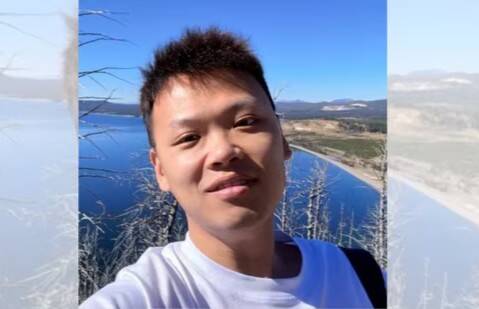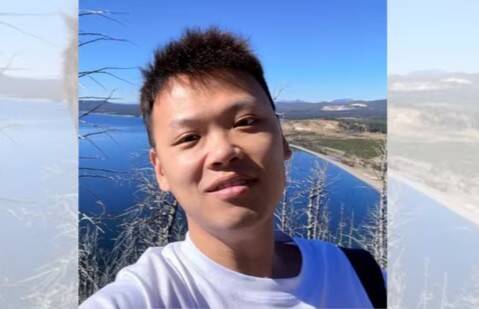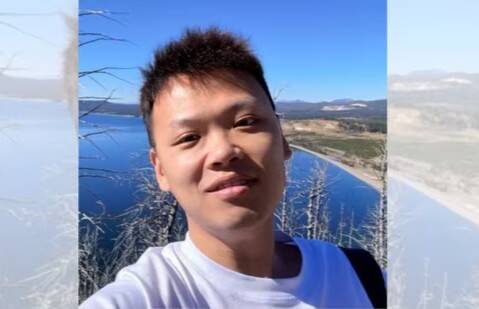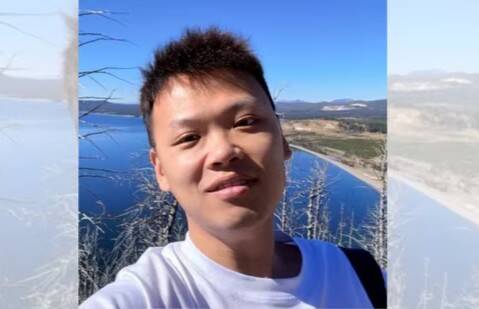
Meta Scientist Zifan Wang on ‘Genius Visa’ Denied Re-Entry into US
The United States has long been a magnet for top talent from around the world, with its thriving tech industry and prestigious research institutions. However, a recent incident has highlighted the frustrations and uncertainties faced by highly skilled immigrants seeking to live and work in the country. Zifan Wang, a researcher at Meta’s AI lab, has been denied re-entry into the US after returning from a visit to China, despite holding a coveted O-1 visa, also known as the “genius visa.” The news has sparked concerns about the US immigration system and its ability to attract and retain top talent.
Wang, who had been living in the US for seven years and working legally on an O-1 visa, took to social media to express his frustration and disappointment. The O-1 visa is a non-immigrant visa reserved for individuals of “extraordinary ability” in fields such as science, technology, engineering, and mathematics (STEM). To qualify for an O-1 visa, applicants must demonstrate a high level of expertise and achievement in their field, with evidence such as awards, publications, and recognition from peers.
Despite meeting these stringent requirements, Wang was denied re-entry into the US, leaving him feeling shocked and disheartened. The incident has raised questions about the fairness and consistency of the US immigration system, particularly when it comes to highly skilled immigrants who have made significant contributions to the country’s tech industry.
The O-1 visa is considered one of the most prestigious and competitive visas in the US immigration system. It is designed to attract top talent from around the world, with the goal of driving innovation and economic growth. However, the visa application process is complex and often lengthy, with applicants required to provide extensive documentation and evidence of their qualifications and achievements.
Wang’s experience is not an isolated incident. Many highly skilled immigrants have reported difficulties and delays in obtaining or renewing their visas, with some even facing deportation or denial of entry. These incidents have sparked concerns about the impact on the US tech industry, which relies heavily on international talent to drive innovation and growth.
In response to his visa denial, Wang announced that he would be moving to London instead, citing the city’s more welcoming and supportive environment for international talent. The news has been met with concern from the tech industry, with many expressing worries about the potential brain drain and loss of talent to other countries.
The incident has also highlighted the need for immigration reform, with many calling for a more streamlined and efficient visa application process. The current system is often criticized for being bureaucratic and inflexible, with applicants facing long wait times and uncertain outcomes.
Furthermore, the denial of Wang’s re-entry into the US has raised questions about the country’s ability to compete with other nations for top talent. As the global tech industry continues to evolve and grow, the US faces increasing competition from other countries, such as Canada, the UK, and Australia, which offer more welcoming and supportive environments for international talent.
In conclusion, the denial of Zifan Wang’s re-entry into the US is a concerning incident that highlights the frustrations and uncertainties faced by highly skilled immigrants seeking to live and work in the country. The incident has sparked concerns about the US immigration system and its ability to attract and retain top talent, with many calling for immigration reform and a more streamlined visa application process.
As the US tech industry continues to rely on international talent to drive innovation and growth, it is essential that the country creates a more welcoming and supportive environment for highly skilled immigrants. This includes reforming the visa application process, reducing wait times, and providing more certainty and stability for applicants.
By doing so, the US can ensure that it remains a competitive and attractive destination for top talent from around the world, driving innovation and economic growth for years to come.
About the Author