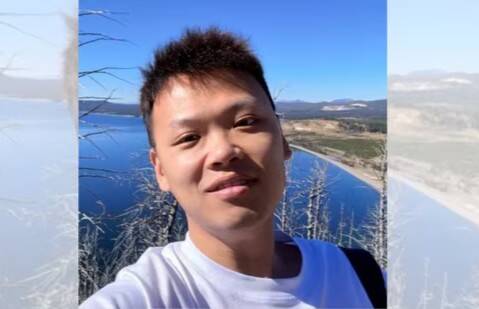
Meta Scientist Zifan Wang on ‘Genius Visa’ Denied Re-Entry into US
The United States has long been a hub for innovation and technological advancement, attracting the brightest minds from around the world. One such individual is Meta AI researcher Zifan Wang, who had been living in the US for seven years, working legally on an O-1 visa, reserved for people of “extraordinary ability”. However, his journey in the US came to an abrupt halt when he was denied re-entry into the country after a visit to China. The news has sent shockwaves through the scientific community, with Wang taking to social media to express his frustration and disappointment.
Wang’s story is a testament to the complexities and challenges faced by foreign nationals who come to the US in pursuit of their dreams. Despite being a highly skilled and accomplished researcher, Wang found himself at the mercy of the US immigration system. The O-1 visa, also known as the “genius visa”, is a non-immigrant visa that allows individuals with extraordinary abilities in fields such as science, technology, engineering, and mathematics (STEM) to work in the US. However, it appears that even this prestigious visa is no guarantee of a smooth and hassle-free experience.
The incident has raised questions about the fairness and consistency of the US immigration system. Wang had been living and working in the US for seven years, contributing to the country’s technological advancements and paying taxes. His denial of re-entry has not only affected him personally but also has implications for the broader scientific community. The loss of talented individuals like Wang can have a significant impact on the US’s ability to remain competitive in the global tech industry.
Wang’s experience is not an isolated incident. Many foreign nationals who come to the US on work visas face similar challenges and uncertainties. The US immigration system is known for its complexity and unpredictability, with long processing times and arbitrary decisions. The consequences of these decisions can be far-reaching, affecting not only the individual but also their families, employers, and the broader community.
In response to his denial of re-entry, Wang announced that he would be moving to London instead. This decision is likely to have significant implications for the US tech industry, as Wang is a highly skilled and accomplished researcher. His departure will not only be a loss for Meta but also for the US as a whole. The brain drain of talented individuals like Wang can have long-term consequences for the country’s ability to innovate and compete globally.
The incident has also sparked a debate about the need for immigration reform in the US. The current system is often criticized for being outdated and inflexible, failing to meet the needs of a rapidly changing economy. The denial of re-entry to individuals like Wang, who have contributed significantly to the US, highlights the need for a more streamlined and efficient immigration process.
As the US continues to grapple with the challenges of immigration reform, it is essential to recognize the value that foreign nationals bring to the country. Individuals like Wang are not only highly skilled and accomplished but also contribute to the country’s economic growth and innovation. Their experiences and perspectives can enrich the US, making it a more diverse and vibrant society.
In conclusion, the denial of re-entry to Meta AI researcher Zifan Wang is a sobering reminder of the complexities and challenges faced by foreign nationals in the US. Wang’s experience highlights the need for a more streamlined and efficient immigration process, one that recognizes the value and contributions of highly skilled individuals. As the US continues to navigate the complexities of immigration reform, it is essential to prioritize the needs of the economy and the scientific community, ensuring that the country remains a hub for innovation and technological advancement.
About the Author