Meta Scientist Zifan Wang on ‘Genius Visa’ Denied Re-Entry into US
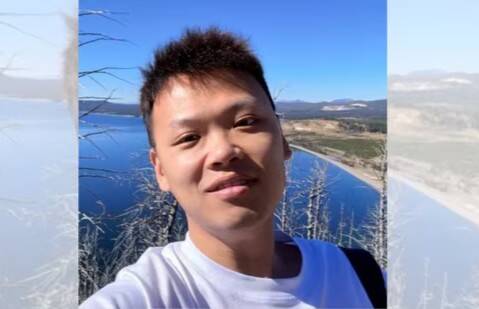
The United States has long been a hub for innovation and technological advancements, attracting top talent from around the world. However, a recent incident has raised concerns about the country’s immigration policies and their impact on the tech industry. Zifan Wang, a Meta AI researcher, was denied re-entry into the US after a visit to China, despite holding a valid O-1 visa, also known as the “genius visa.” This visa is reserved for individuals with extraordinary abilities in their field, and Wang had been living and working in the US for seven years.
Wang took to social media to express his frustration and disappointment at being denied re-entry into the country. He had been working at Meta, a leading tech company, on a project related to artificial intelligence. The O-1 visa is a non-immigrant visa that allows individuals with extraordinary abilities in fields such as science, technology, engineering, and mathematics (STEM) to work in the US. The visa is highly competitive, and recipients are considered to be among the best in their field.
The incident has sparked debate about the US immigration system and its treatment of highly skilled workers. Wang’s case is not an isolated incident, and many other individuals with similar visas have faced similar challenges. The O-1 visa is considered to be one of the most prestigious visas available, and recipients are expected to have achieved significant recognition in their field.
Wang’s denial of re-entry into the US is particularly surprising, given his background and qualifications. He had been working at Meta for several years and had made significant contributions to the field of AI research. His work had been recognized internationally, and he had been invited to speak at conferences and seminars around the world.
The incident has also raised concerns about the impact of US immigration policies on the tech industry. The US has long been a leader in technological innovation, but the current immigration system may be driving top talent away. Many other countries, including Canada, the UK, and Australia, offer more favorable immigration policies for highly skilled workers.
In response to his denial of re-entry, Wang announced that he would be moving to London instead. This decision is likely to have significant implications for the US tech industry, as Wang’s expertise and knowledge will now be contributing to the UK’s AI research efforts. The loss of top talent like Wang can have a significant impact on the US tech industry, as it can lead to a brain drain and a loss of competitiveness.
The incident has also sparked debate about the need for immigration reform in the US. The current system is often criticized for being complex and bureaucratic, with long wait times and uncertain outcomes. The O-1 visa, in particular, is considered to be a highly competitive visa, and the application process can be lengthy and challenging.
The US government has been criticized for its treatment of highly skilled workers, with many arguing that the current system is driving top talent away. The incident involving Wang is just one example of the challenges faced by highly skilled workers in the US. Many other individuals with similar visas have faced similar challenges, and the incident has sparked calls for reform.
In conclusion, the denial of re-entry into the US for Meta AI researcher Zifan Wang is a significant incident that highlights the challenges faced by highly skilled workers in the US. The O-1 visa is considered to be one of the most prestigious visas available, and recipients are expected to have achieved significant recognition in their field. The incident has sparked debate about the US immigration system and its treatment of highly skilled workers, and has raised concerns about the impact of US immigration policies on the tech industry.
As the US continues to grapple with the challenges of immigration reform, incidents like Wang’s denial of re-entry into the US serve as a reminder of the need for a more streamlined and efficient system. The loss of top talent like Wang can have significant implications for the US tech industry, and it is essential that the government takes steps to address these challenges and create a more favorable environment for highly skilled workers.
About the Author