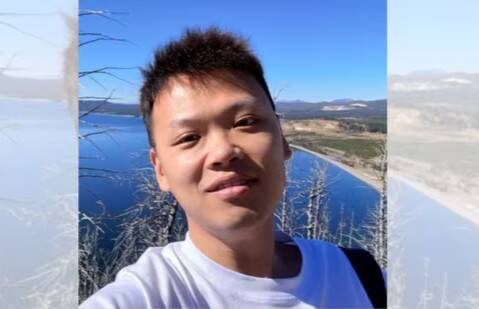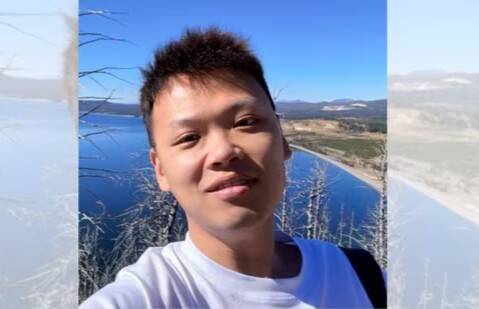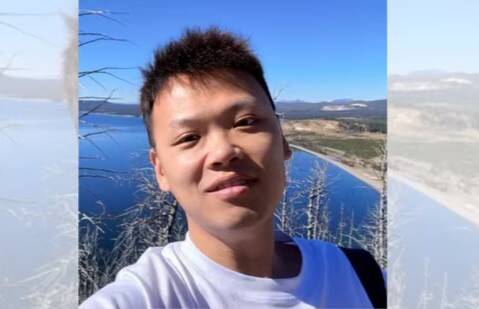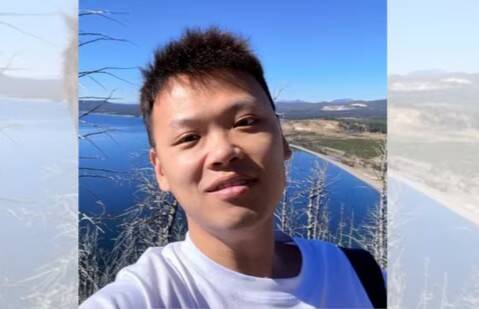
Meta Scientist Zifan Wang on ‘Genius Visa’ Denied Re-Entry into US
The United States has long been a hub for innovation and technological advancement, attracting some of the brightest minds from around the world. One such individual is Zifan Wang, a Meta AI researcher who had been living in the US for seven years on an O-1 visa, reserved for people of “extraordinary ability”. However, in a shocking turn of events, Wang was recently denied re-entry into the US after returning from a visit to China. The news has sent shockwaves through the scientific community, with many expressing frustration and disappointment at the decision.
Wang, who had been working legally in the US on his O-1 visa, took to social media to vent his frustration at the decision. The Meta scientist had been living in the US for seven years, contributing to the country’s thriving tech industry and advancing the field of artificial intelligence. His work at Meta, a leading technology company, had been highly valued, and his departure is likely to be felt by his colleagues and the wider scientific community.
The O-1 visa, also known as the “genius visa”, is a non-immigrant visa reserved for individuals who have demonstrated extraordinary ability in their field. To qualify for an O-1 visa, an individual must have achieved national or international recognition, and their work must be deemed to be of significant benefit to the US. Wang, with his impressive credentials and contributions to the field of AI, had clearly met these criteria, and his visa had been approved for seven years.
So, what could have led to Wang’s denial of re-entry into the US? The exact reasons behind the decision are not clear, but it is likely that the current geopolitical tensions between the US and China played a role. The US has been increasingly scrutinizing individuals with ties to China, particularly in the tech industry, due to concerns over intellectual property theft and national security.
Wang’s denial of re-entry has sparked a heated debate about the treatment of foreign talent in the US. Many have argued that the country’s strict immigration policies are driving away top talent, harming the US’s reputation as a hub for innovation and advancement. The US has long been a magnet for international students and professionals, but the current climate of uncertainty and hostility towards immigrants is causing many to rethink their decision to come to the US.
In response to the decision, Wang announced that he would be moving to London instead. The UK has been actively courting international talent, particularly in the tech industry, and Wang’s decision to relocate is likely to be seen as a win for the country. The UK’s more relaxed immigration policies and welcoming attitude towards foreign talent are likely to make it an attractive destination for many individuals who have been put off by the US’s strict rules.
The implications of Wang’s denial of re-entry are far-reaching. The US’s loss of talent is likely to be felt across the tech industry, as other foreign nationals may think twice about coming to the US or decide to leave the country. The brain drain could have significant consequences for the US’s ability to innovate and compete on the global stage.
Furthermore, the decision highlights the need for a more nuanced approach to immigration policy. The US needs to strike a balance between protecting national security and welcoming foreign talent. The current system, which often relies on rigid rules and bureaucratic processes, is in need of reform. A more flexible and responsive system would allow the US to attract and retain top talent, while also addressing legitimate concerns over national security.
In conclusion, the denial of re-entry to Meta scientist Zifan Wang is a wake-up call for the US. The country’s strict immigration policies are driving away top talent, harming the US’s reputation as a hub for innovation and advancement. As the US continues to navigate the complex landscape of international relations and technological advancement, it must find a way to balance its need for security with its need for talent. The loss of Wang and other foreign nationals is a significant blow to the US’s tech industry, and it remains to be seen how the country will respond to this challenge.
About the Author