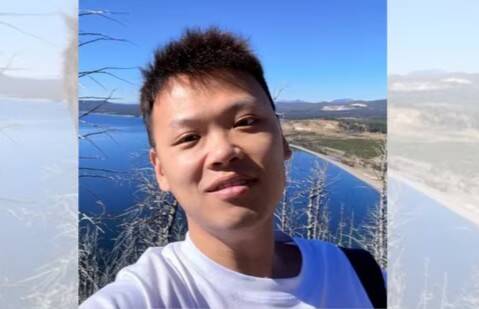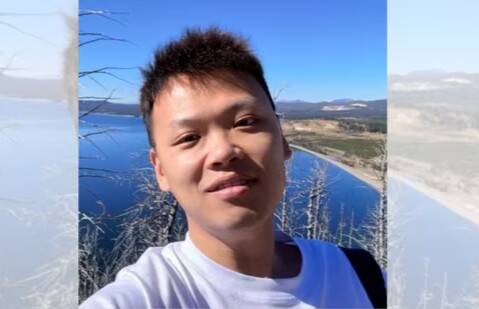
Meta Scientist Zifan Wang on ‘Genius Visa’ Denied Re-Entry into US
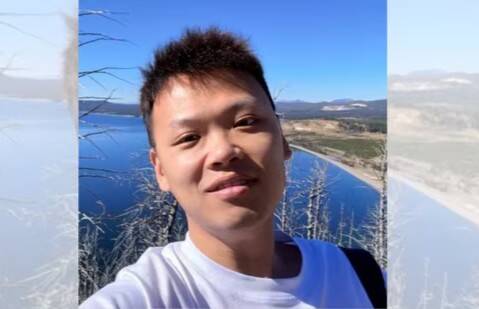
The United States has long been a hub for innovation and technological advancement, attracting top talent from around the world. One of the key visas that have facilitated this influx of talent is the O-1 visa, also known as the “genius visa.” This visa is reserved for individuals who possess extraordinary abilities in their field, and it has been instrumental in bringing some of the brightest minds to the US. However, in a shocking turn of events, Meta AI researcher Zifan Wang was recently denied re-entry into the United States after returning from a visit to China. Wang, who had been living in the US for seven years and working legally on an O-1 visa, took to social media to express his frustration and disappointment.
Wang’s story is a fascinating one. As a Meta AI researcher, he has been working at the forefront of artificial intelligence, contributing to the development of cutting-edge technologies that have the potential to transform industries and revolutionize the way we live. His work has been recognized and valued by his employer, and he has been an integral part of the Meta team. However, despite his exceptional abilities and contributions, Wang was denied re-entry into the US, leaving him feeling shocked, disappointed, and bewildered.
The O-1 visa is a non-immigrant visa that is granted to individuals who have demonstrated extraordinary ability in their field. To qualify for an O-1 visa, applicants must meet specific criteria, including receiving a major award, such as a Nobel Prize, or demonstrating a high level of achievement in their field. Wang, with his impressive background and experience in AI research, clearly meets these criteria. However, despite his qualifications, he was denied re-entry into the US, raising questions about the fairness and consistency of the visa application process.
Wang’s experience is not an isolated incident. In recent years, there have been several reports of individuals with O-1 visas facing challenges when trying to re-enter the US. Some have been detained at airports, while others have been denied entry altogether. These incidents have sparked concerns about the treatment of international talent in the US and the impact on the country’s ability to attract and retain top talent.
The US has long been a magnet for international talent, with many of the world’s top universities, research institutions, and companies located within its borders. However, the current visa application process and the treatment of international talent have raised concerns about the country’s ability to continue attracting and retaining the best and brightest. The denial of re-entry to individuals like Wang, who have made significant contributions to their field, is a worrying trend that could have far-reaching consequences for the US economy and society.
In response to his denial of re-entry, Wang announced that he would be moving to London instead. This decision is not surprising, given the UK’s reputation for being a hub for innovation and technological advancement. London, in particular, has emerged as a major center for AI research and development, with many top companies and research institutions located in the city. Wang’s decision to move to London is a testament to the city’s attractiveness as a destination for international talent and its reputation for being a welcoming and inclusive environment.
The implications of Wang’s denial of re-entry and his subsequent decision to move to London are significant. The US is at risk of losing top talent to other countries, such as the UK, Canada, and Australia, which have more welcoming and inclusive environments for international talent. This could have far-reaching consequences for the US economy, as the country relies heavily on international talent to drive innovation and technological advancement.
In conclusion, the denial of re-entry to Meta AI researcher Zifan Wang is a shocking and disappointing incident that raises concerns about the fairness and consistency of the visa application process. Wang’s experience is a testament to the challenges faced by international talent in the US and the need for a more welcoming and inclusive environment. As the US continues to compete with other countries for top talent, it is essential that the country re-examines its visa application process and ensures that it is fair, consistent, and welcoming to international talent.
The US government must take steps to address the concerns of international talent and ensure that the visa application process is transparent, efficient, and fair. This includes providing clear guidelines and criteria for visa applications, reducing processing times, and increasing the number of visas available for international talent. By taking these steps, the US can continue to attract and retain top talent, driving innovation and technological advancement, and maintaining its position as a global leader.
About the Author