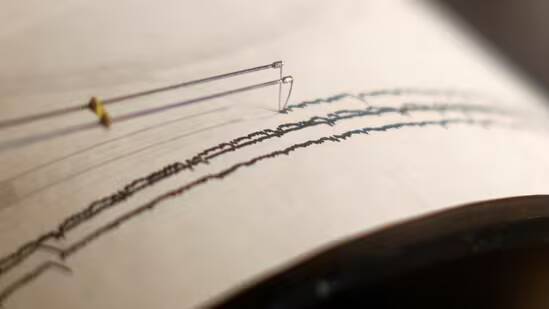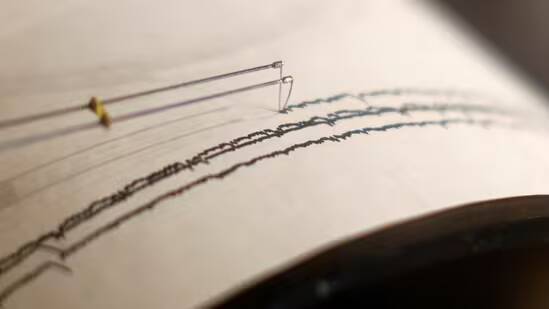
Magnitude 6 earthquake hits Japan on New Year’s Eve
As the world welcomed the start of a new year, Japan was hit by a significant earthquake on New Year’s Eve. According to the United States Geological Survey (USGS), a magnitude 6 earthquake struck the eastern Noda region of Japan, causing concern among residents and authorities. The quake, which occurred at a depth of 19.3 km (11.99 miles), had its epicentre at coordinates 40.112°N, 142.889°E.
Fortunately, no casualties or injuries were reported immediately, and the impact of the earthquake appears to be minimal. However, the incident serves as a reminder of Japan’s vulnerability to seismic activity, given its location on the Pacific Ring of Fire. The country is prone to earthquakes, and its residents are well-prepared to respond to such events.
The USGS reported that the earthquake occurred at a relatively shallow depth, which can sometimes lead to more significant damage. However, in this case, the quake’s impact was limited, and no major damage or disruptions were reported. The Japanese authorities are likely to conduct a thorough assessment of the situation to determine the extent of any damage and provide support to those affected.
Japan has a well-developed early warning system for earthquakes, which allows residents to take necessary precautions in the event of a significant quake. The system, which includes alerts and evacuation drills, has been credited with saving lives in the past. The country’s preparedness and response to earthquakes are considered among the best in the world.
The eastern Noda region, where the earthquake occurred, is a relatively rural area with a small population. The region is known for its natural beauty, with rugged coastlines and scenic landscapes. While the earthquake did not cause any significant damage, it may have been felt by residents in the surrounding areas, including the larger cities of Tokyo and Sendai.
The earthquake on New Year’s Eve is a reminder of the importance of disaster preparedness and response. Japan’s experience in dealing with earthquakes and other natural disasters has led to the development of advanced technologies and strategies for mitigating the impact of such events. The country’s expertise in this area is often shared with other nations, helping to improve global responses to disasters.
As the world enters a new year, the earthquake in Japan serves as a reminder of the importance of being prepared for unexpected events. While the quake did not cause any significant damage, it highlights the need for continued vigilance and investment in disaster preparedness and response.
In recent years, Japan has experienced several significant earthquakes, including the devastating 2011 Tohoku earthquake and tsunami, which caused widespread damage and loss of life. The country has since made significant investments in disaster preparedness and response, including the development of advanced early warning systems and evacuation drills.
The USGS and other seismic agencies closely monitor earthquake activity around the world, providing critical information and warnings to help mitigate the impact of significant quakes. The agency’s report on the New Year’s Eve earthquake in Japan provides valuable insights into the quake’s magnitude, depth, and location, helping authorities and residents to respond effectively.
In conclusion, the magnitude 6 earthquake that hit Japan’s eastern Noda region on New Year’s Eve serves as a reminder of the country’s vulnerability to seismic activity. While the quake did not cause any significant damage, it highlights the importance of disaster preparedness and response. Japan’s expertise in this area is a model for other nations, and its experience in dealing with earthquakes and other natural disasters can help to improve global responses to such events.
As we look to the future, it is essential to continue investing in disaster preparedness and response, including the development of advanced technologies and strategies for mitigating the impact of earthquakes and other natural disasters. By working together, we can reduce the risk of damage and loss of life from such events and create a safer, more resilient world.
About the Author