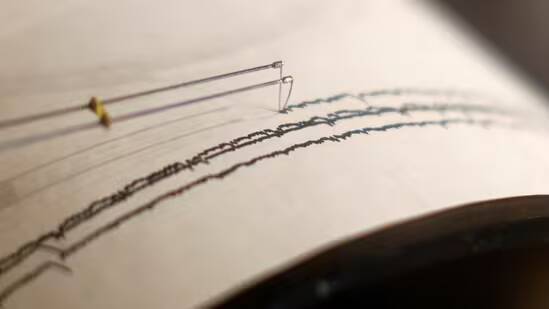
Magnitude 6 Earthquake Hits Japan on New Year’s Eve
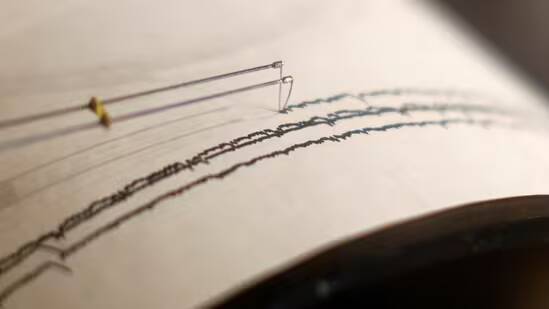
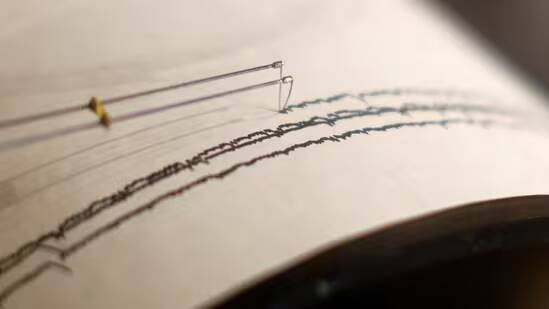
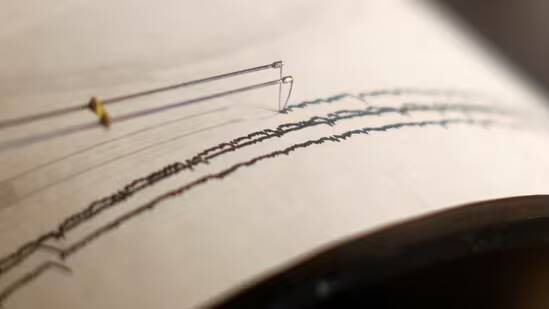
As the world was preparing to bid farewell to the old year and welcome the new one, a significant earthquake struck Japan’s eastern Noda region on New Year’s Eve. According to the United States Geological Survey (USGS), the earthquake had a magnitude of 6 and occurred at a depth of 19.3 km (11.99 miles). The exact coordinates of the epicentre of the quake are 40.112°N, 142.889°E. Fortunately, no casualties or injuries were reported immediately, bringing relief to the people of Japan and the rest of the world.
The earthquake struck at a time when people were busy making preparations for the New Year’s Eve celebrations. Japan is a country prone to earthquakes due to its location on the Pacific Ring of Fire, which makes it one of the most seismically active countries in the world. The country has a well-developed early warning system and strict building codes, which helps to minimize the damage and loss of life during earthquakes.
The USGS reported that the earthquake occurred at 10:15 pm local time, and its epicentre was located off the coast of Noda, a small town in the Iwate Prefecture. The quake was felt in several nearby cities, including Tokyo, which is located about 500 km (310 miles) away from the epicentre. However, the impact of the quake was minimal, and no significant damage or disruption was reported.
The Japanese government and emergency services were quick to respond to the situation, and a thorough assessment of the damage was conducted. The authorities confirmed that there were no reports of casualties or injuries, and the situation was under control. The government also issued a statement assuring the public that all necessary measures were being taken to ensure their safety and well-being.
The earthquake was a reminder of the importance of being prepared for natural disasters. Japan has a long history of dealing with earthquakes, and the country has developed a robust disaster management system. The government and emergency services are well-equipped to respond to earthquakes, and the public is educated on what to do during and after a quake.
The earthquake also highlighted the importance of international cooperation and information sharing. The USGS and other international agencies provide critical information and support to countries affected by natural disasters. The USGS works closely with the Japanese government and other international partners to monitor seismic activity and provide early warnings of potential earthquakes.
In recent years, Japan has experienced several significant earthquakes, including the 2011 Tohoku earthquake and tsunami, which resulted in widespread destruction and loss of life. The country has since made significant progress in rebuilding and strengthening its disaster management systems. The government has implemented various measures to reduce the risk of earthquakes, including the development of early warning systems and the construction of earthquake-resistant buildings.
The earthquake on New Year’s Eve was a reminder that natural disasters can strike at any time, and it is essential to be prepared. The people of Japan and the rest of the world can take comfort in the fact that the country has a well-developed disaster management system and a strong international support network.
In conclusion, the magnitude 6 earthquake that hit Japan’s eastern Noda region on New Year’s Eve was a significant event that brought attention to the importance of disaster preparedness and international cooperation. Fortunately, no casualties or injuries were reported, and the situation was under control. The Japanese government and emergency services responded quickly and effectively, and the country’s robust disaster management system helped to minimize the impact of the quake.
As we move into the new year, it is essential to remember the importance of being prepared for natural disasters. We can learn from Japan’s experience and take steps to strengthen our own disaster management systems. By working together and sharing information and expertise, we can reduce the risk of earthquakes and other natural disasters and create a safer and more resilient world.
About the Author