Iran will never be what it was if it attacks Israel, warns Netanyahu
The ongoing anti-government protests in Iran have sparked a wave of concern and warnings from neighboring countries, particularly Israel. In a recent statement, Israeli Prime Minister Benjamin Netanyahu cautioned Iran against attacking Israel, warning of severe consequences if such an action were to take place. Netanyahu’s statement comes at a time when Iran is facing widespread unrest, with protests erupting across the country in response to the government’s handling of various issues, including economic hardship and human rights.
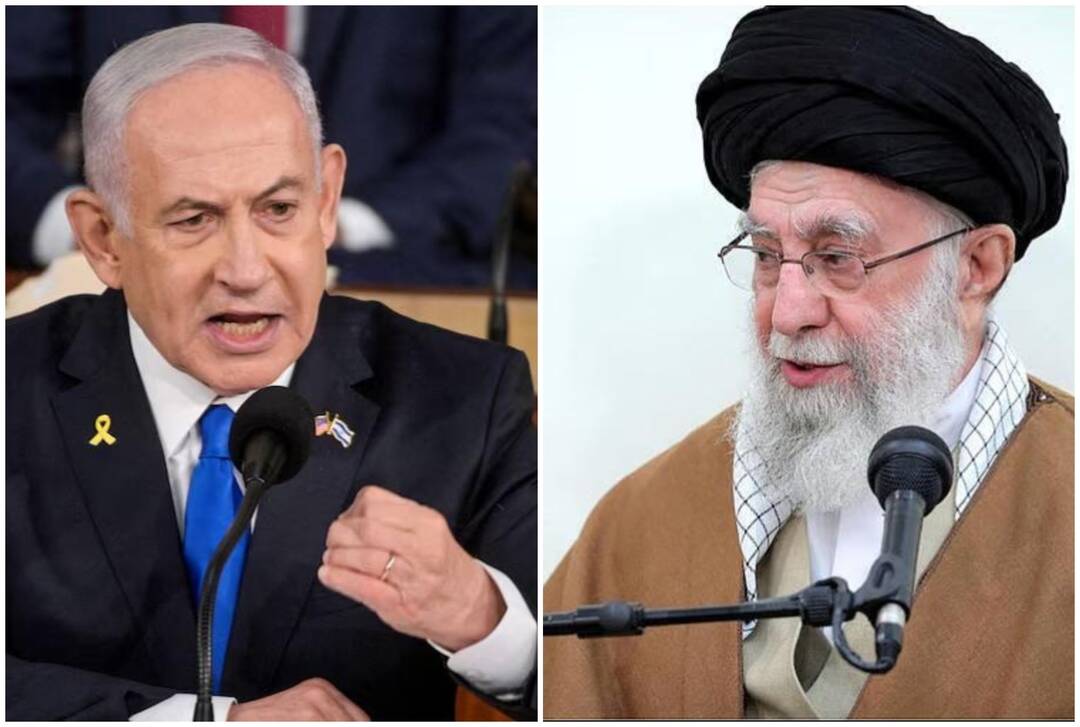
According to Netanyahu, Israel is “following closely” developments in Iran, which has been rocked by protests in recent weeks. The Israeli Prime Minister’s warning to Iran is clear: if Iran were to make the mistake of attacking Israel, the consequences would be severe and unprecedented. “If Iran makes a mistake and attacks us, we’ll act with strength that Iran hasn’t yet known,” Netanyahu stated. “Iran will never be what it was,” he added, emphasizing the gravity of the situation.
Netanyahu’s warning is not an empty threat, given Israel’s history of defending itself against perceived threats from neighboring countries. The Israeli military is known for its strength and prowess, and the country has a long history of taking decisive action against those who threaten its security. Iran, on the other hand, has been facing significant internal challenges, including economic hardship, corruption, and human rights abuses, which have contributed to the ongoing protests.
The US has also weighed in on the situation in Iran, warning the government of “grave consequences” if the killing of protesters continues. The international community has been watching the situation in Iran with growing concern, and the US warning is a clear indication that the world is paying attention to the developments unfolding in the country. The US has been a long-time critic of Iran’s human rights record, and the current situation has only added to the tensions between the two countries.
The protests in Iran, which began in response to the death of a young woman in police custody, have grown into a broader movement calling for greater freedoms and an end to the country’s authoritarian regime. The government has responded with force, resulting in the deaths of dozens of protesters and the arrest of hundreds more. The international community has condemned the government’s actions, with many calling for an end to the violence and a respect for human rights.
The situation in Iran is complex and multifaceted, with various factors contributing to the ongoing unrest. The country’s economy has been struggling, with high levels of inflation and unemployment, particularly among young people. The government’s handling of the economy has been widely criticized, with many arguing that the country’s resources are being mismanaged and that corruption is rampant.
In addition to the economic challenges, Iran is also facing significant social and cultural challenges. The country’s authoritarian regime has been criticized for its human rights record, including the treatment of women, minorities, and dissidents. The government’s strict laws and regulations have been enforced through a combination of coercion and repression, leading to widespread discontent among the population.
The current situation in Iran has significant implications for the region and the world. The country’s strategic location, bordering several important countries, including Iraq, Turkey, and Afghanistan, makes it a crucial player in regional politics. The ongoing unrest has the potential to destabilize the region, particularly if the government’s response to the protests becomes increasingly violent.
In conclusion, the situation in Iran is complex and volatile, with significant implications for the region and the world. Netanyahu’s warning to Iran is a clear indication that Israel is taking the situation seriously and is prepared to defend itself if necessary. The US warning to Iran is also a significant development, highlighting the international community’s concern about the situation in the country. As the situation continues to unfold, it is essential to monitor developments closely and to call for an end to the violence and a respect for human rights.
The international community must come together to support the people of Iran in their struggle for freedom and democracy. The government’s response to the protests must be condemned, and those responsible for the violence must be held accountable. The people of Iran deserve to live in a country where their rights are respected, and their freedoms are protected. The world must stand in solidarity with the Iranian people and demand that their government respects their basic human rights.
News Source: https://x.com/RT_com/status/2013290039883477428
About the Author