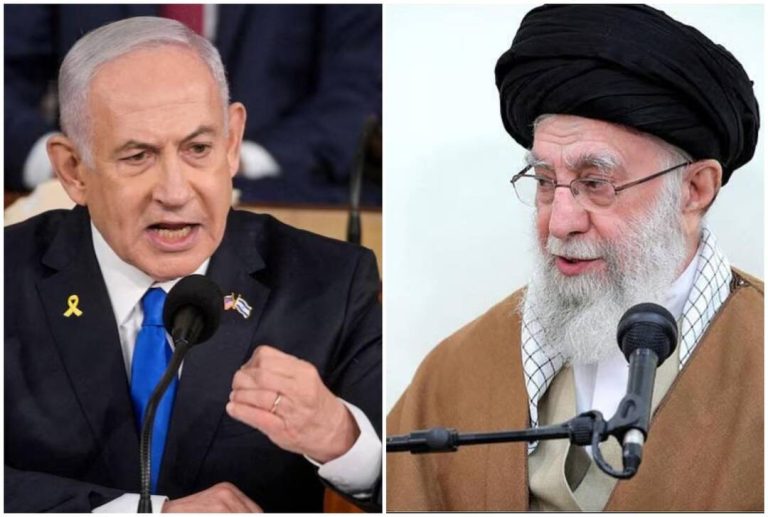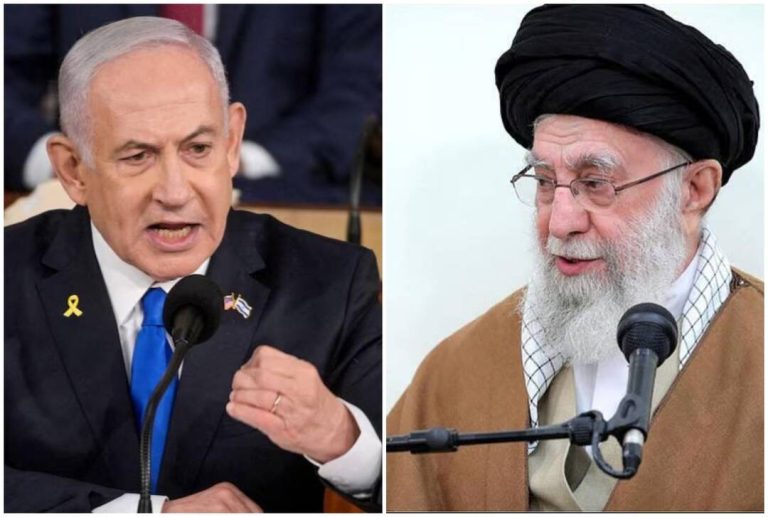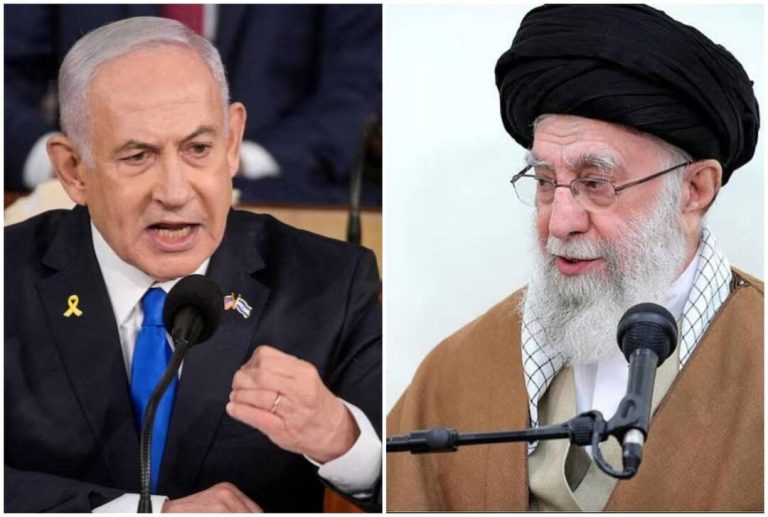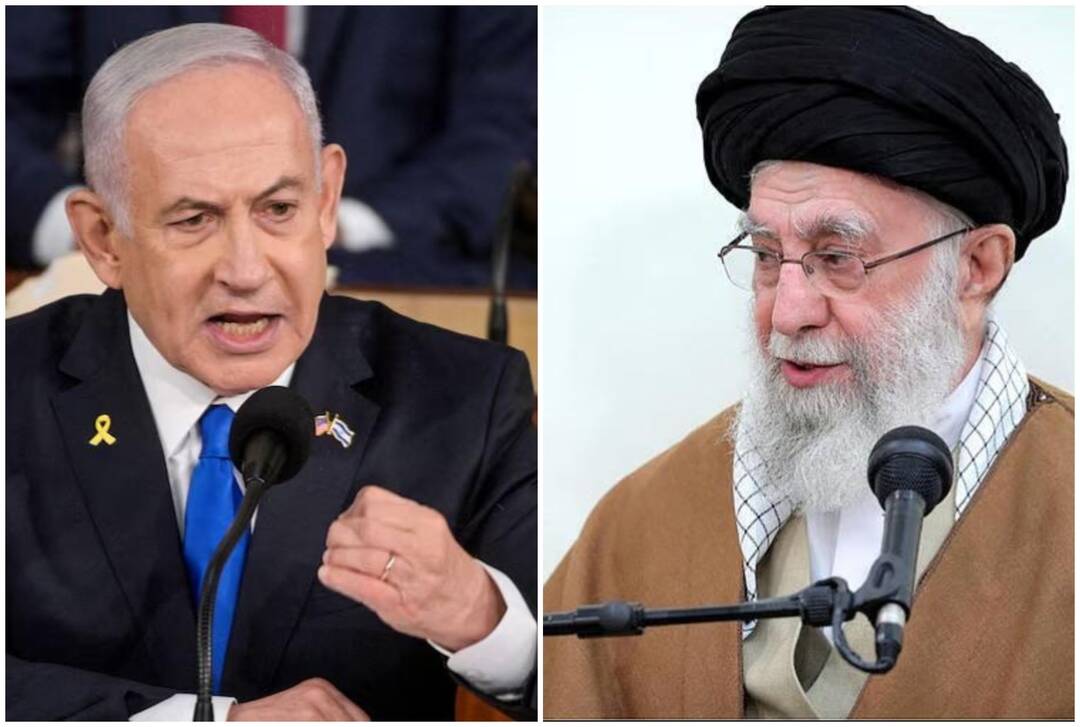
Iran will never be what it was if it attacks Israel, warns Netanyahu
The Middle East has been a region of constant turmoil and tension, with various countries vying for power and influence. In recent months, Iran has been facing widespread anti-government protests, which have been met with a heavy-handed response from the authorities. The protests, which were sparked by the death of a young woman in police custody, have highlighted the deep-seated discontent among the Iranian population with the ruling regime.
As the situation in Iran continues to deteriorate, neighboring countries are watching with bated breath. Israel, in particular, has been keeping a close eye on developments in Iran, given the two countries’ long-standing animosity towards each other. In a recent statement, Israel’s Prime Minister Benjamin Netanyahu warned Iran that if it were to attack Israel, it would face consequences of unprecedented severity.
“We are following closely the developments in Iran,” Netanyahu said. “If Iran makes a mistake and attacks us, we’ll act with strength that Iran hasn’t yet known. Iran will never be what it was.” These words of warning from Netanyahu are a clear indication of the gravity of the situation and the potential consequences of any miscalculation by Iran.
The Israeli Prime Minister’s statement comes at a time when Iran is already facing international condemnation for its handling of the protests. The US, in particular, has been vocal in its criticism of Iran’s actions, with the White House warning Tehran of “grave consequences” if the killing of protesters continues. The US has also imposed sanctions on several Iranian officials and entities, in an effort to pressure the Iranian government to change its behavior.
The situation in Iran is complex and multifaceted, with various factors at play. The protests, which have been largely peaceful, have been met with a brutal response from the authorities, with reports of protesters being beaten, arrested, and even killed. The Iranian government has also been accused of restricting access to the internet and social media, in an effort to prevent the protests from gaining momentum.
Despite the challenges facing the protesters, they remain determined to bring about change in Iran. The protests have been driven by a range of grievances, including economic hardship, political repression, and social injustice. The protesters are demanding reforms, including greater freedoms and an end to the country’s strict Islamic laws.
As the situation in Iran continues to unfold, the international community is watching with concern. The US, in particular, has been critical of Iran’s actions, with the White House warning of “grave consequences” if the killing of protesters continues. The US has also been working to build a coalition of countries to pressure Iran to change its behavior.
In this context, Netanyahu’s warning to Iran is significant. Israel and Iran have a long and complex history, with the two countries having been sworn enemies for decades. The Iranian government has repeatedly called for the destruction of Israel, and has provided support to various militant groups, including Hezbollah and Hamas.
Israel, on the other hand, has been wary of Iran’s growing military capabilities, including its ballistic missile program and its nuclear ambitions. The Israeli government has repeatedly warned that it will not allow Iran to develop a nuclear weapon, and has taken military action against Iranian targets in the past.
In recent years, tensions between Israel and Iran have escalated, with the two countries engaging in a series of proxy wars and skirmishes. The conflict in Syria, in particular, has been a major flashpoint, with Israeli forces having carried out numerous airstrikes against Iranian targets in the country.
As the situation in the Middle East continues to evolve, it is clear that the region is on the brink of a major crisis. The protests in Iran, the warnings from Netanyahu, and the international condemnation of Iran’s actions all point to a potentially explosive situation.
In conclusion, the situation in the Middle East is complex and volatile, with various countries and factions vying for power and influence. The protests in Iran, the warnings from Netanyahu, and the international condemnation of Iran’s actions all point to a potentially explosive situation. As the situation continues to unfold, it is clear that the region is on the brink of a major crisis.
It remains to be seen how the situation in Iran will play out, and what the consequences will be for the region and the world. One thing is certain, however: the Middle East will never be the same again.
News Source: https://x.com/RT_com/status/2013290039883477428
About the Author