Iran using Hezbollah terrorists, Iraqi militants against protests: US
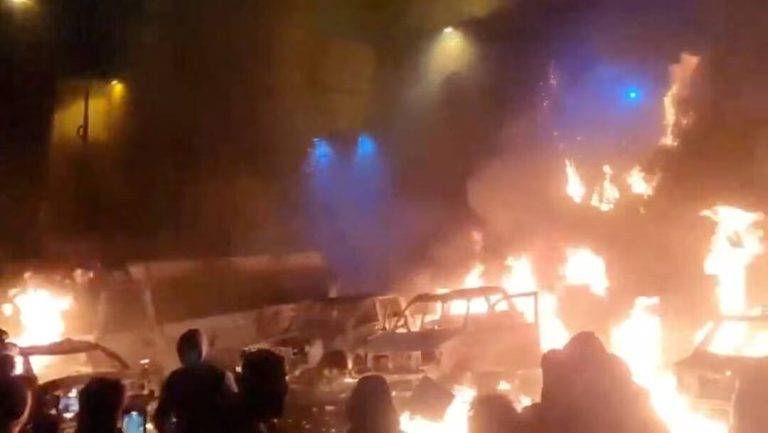
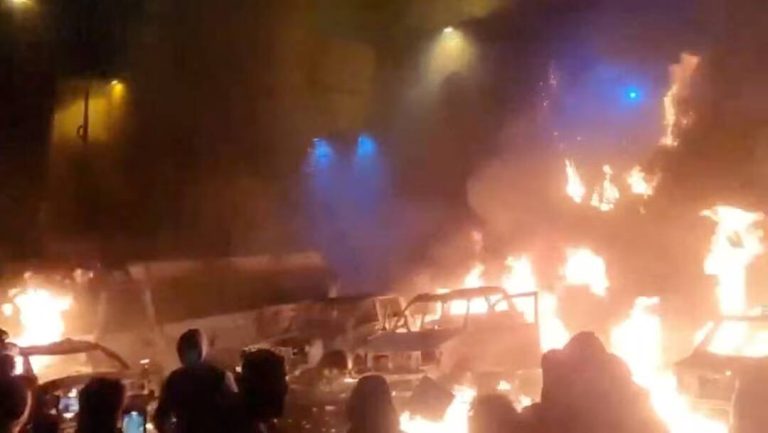
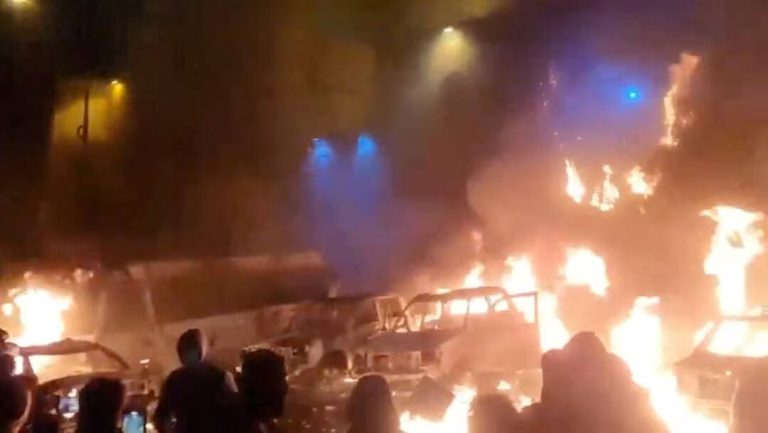
The United States has expressed alarm over reports that Iran has deployed Hezbollah terrorists and Iraqi militants to suppress peaceful protests in the country. The move is seen as a desperate attempt by the Iranian regime to quell the growing unrest and maintain its grip on power. The protests, which began in response to a hike in fuel prices, have spiraled into a broader movement against the government, with demonstrators calling for greater freedoms and an end to corruption.
According to the US, the deployment of Hezbollah terrorists and Iraqi militants is a clear indication of the Iranian regime’s willingness to use violence and intimidation to silence its own citizens. “This regime has spent billions of dollars belonging to the Iranian people on terrorist proxy forces,” the US said in a statement. “Deploying those forces against its own citizens would be yet another profound betrayal of the Iranian people.” The US has long been critical of Iran’s support for militant groups in the region, including Hezbollah, which is considered a terrorist organization by the US and many other countries.
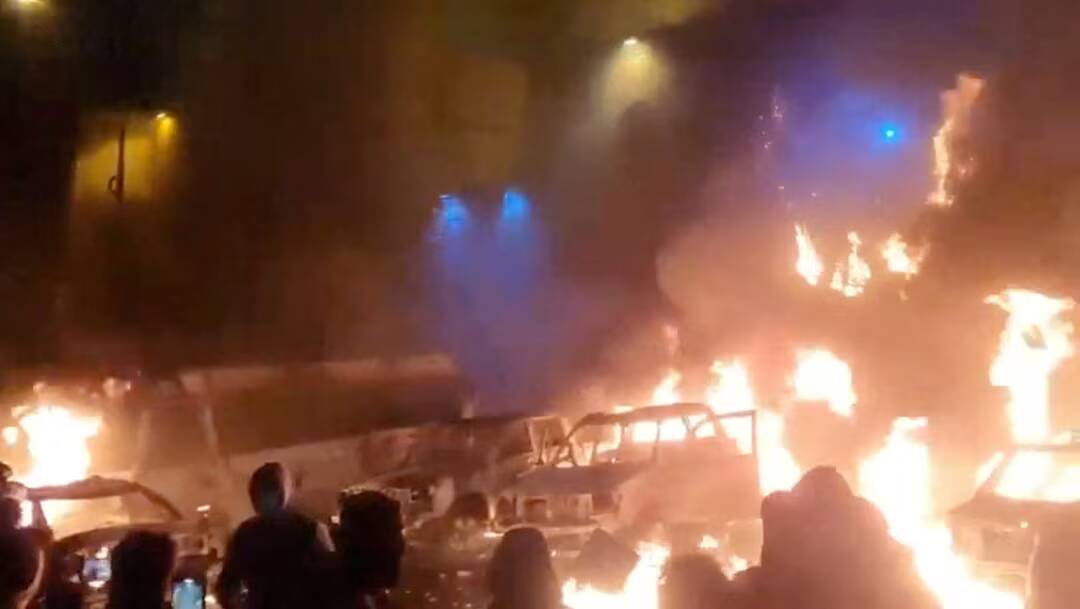
The protests in Iran, which began on November 15, have been marked by widespread violence and repression. Security forces have used live ammunition, tear gas, and other forms of violence to disperse protesters, resulting in the deaths of over 1,000 people and the injury of thousands more. The government has also imposed a near-total internet blackout, making it difficult for protesters to communicate and coordinate their efforts. The US has condemned the violence and called on the Iranian government to respect the rights of its citizens to peaceful assembly and free speech.
The deployment of Hezbollah terrorists and Iraqi militants to suppress the protests is a significant escalation of the situation and raises concerns about the potential for further violence and instability. Hezbollah, which is based in Lebanon, has a long history of carrying out attacks on behalf of the Iranian government, including against Israeli and Western targets. The group has also been involved in the Syrian civil war, fighting on behalf of the Assad regime. Iraqi militants, on the other hand, have been involved in a range of violent activities, including attacks on US and Iraqi forces.
The use of foreign militants to suppress domestic protests is a tactic that has been employed by authoritarian regimes around the world. It allows the government to claim that the protests are being driven by external forces, rather than by legitimate grievances and demands for change. However, the move is also a sign of weakness and desperation, as the government is unable to maintain control through more conventional means.
The international community has been vocal in its condemnation of the Iranian government’s actions, with many countries calling for an end to the violence and repression. The US, in particular, has been a strong critic of the Iranian regime, imposing sanctions and taking other measures to pressure the government to change its behavior. The US has also offered support to the protesters, with President Trump tweeting his backing for the demonstrations and calling on the Iranian government to respect the rights of its citizens.
As the situation in Iran continues to unfold, it is clear that the Iranian government is facing a significant challenge to its authority. The protests, which have been driven by a range of factors, including economic hardship, corruption, and a desire for greater freedoms, have the potential to bring about significant change in the country. However, the government’s response, including the deployment of Hezbollah terrorists and Iraqi militants, raises concerns about the potential for further violence and instability.
In conclusion, the Iranian government’s decision to deploy Hezbollah terrorists and Iraqi militants to suppress peaceful protests is a disturbing development that highlights the regime’s willingness to use violence and intimidation to maintain its grip on power. The move is a betrayal of the Iranian people, who have been subjected to decades of repression and misrule. The international community must continue to speak out against the Iranian government’s actions and support the rights of the Iranian people to peaceful assembly, free speech, and other fundamental freedoms.
About the Author