Iran using Hezbollah terrorists, Iraqi militants against protests: US
The United States has expressed its deep concern over the reports that Iran has deployed Hezbollah terrorists and Iraqi militants to suppress the ongoing peaceful protests in the country. The US has stated that it is “alarmed” by these reports, which suggest that the Iranian government is using foreign militant groups to quell the demonstrations. This move is seen as a desperate attempt by the Iranian regime to maintain its grip on power and silence the voices of its citizens.
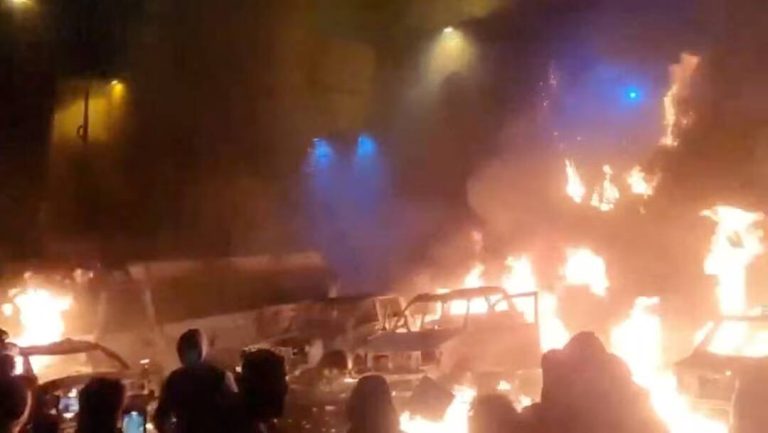
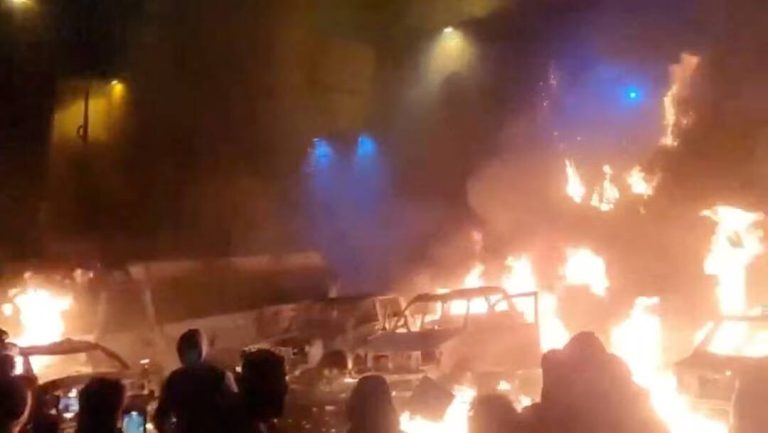
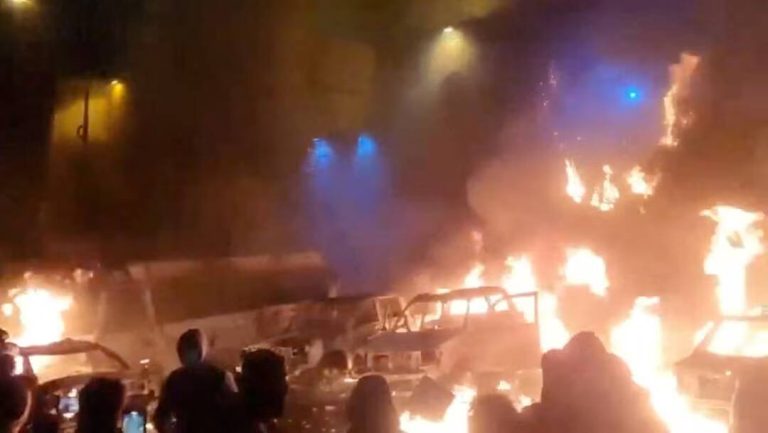
The protests in Iran, which began in response to the government’s decision to increase fuel prices, have gained momentum over the past few weeks. The demonstrations have spread to various cities across the country, with thousands of people taking to the streets to demand reforms and greater freedoms. The Iranian government, however, has responded to these protests with brute force, using security forces to crack down on the protesters.
According to the US, the deployment of Hezbollah terrorists and Iraqi militants against the protesters is a clear indication of the Iranian government’s willingness to use any means necessary to suppress the protests. “This regime has spent billions of dollars belonging to the Iranian people on terrorist proxy forces,” the US said in a statement. “Deploying those forces against its own citizens would be yet another profound betrayal of the Iranian people.”
The use of foreign militant groups to suppress domestic protests is a tactic that has been employed by authoritarian regimes in the past. However, in the case of Iran, it is particularly egregious, given the government’s claims of supporting democratic values and human rights. The Iranian government has long been accused of supporting terrorist groups in the region, including Hezbollah, which has been responsible for numerous attacks on civilians and military personnel.
The deployment of Hezbollah terrorists and Iraqi militants against the protesters in Iran has also raised concerns about the potential for further violence and instability in the region. The US has warned that the use of these groups could lead to a escalation of the conflict, and has called on the Iranian government to refrain from using violence against its citizens.
The international community has also condemned the Iranian government’s response to the protests, with many countries expressing their support for the protesters and calling for the government to respect their rights. The United Nations has also issued a statement, urging the Iranian government to exercise restraint and to respect the rights of its citizens to peaceful assembly and freedom of expression.
The situation in Iran remains volatile, with reports of continued violence and unrest. The US has warned that it will continue to monitor the situation closely, and will take all necessary steps to support the Iranian people in their quest for democracy and human rights.
In a statement, the US said, “The Iranian people have the right to peaceful assembly and freedom of expression. The Iranian government should respect these rights and refrain from using violence against its citizens. We will continue to support the Iranian people and hold the Iranian government accountable for its actions.”
The protests in Iran have also sparked a global debate about the role of social media and the internet in facilitating democratic movements. The Iranian government has imposed a near-total internet blackout, in an attempt to prevent protesters from organizing and communicating with each other. However, this move has been widely condemned, with many arguing that it is a clear attempt to suppress the free flow of information and to prevent the international community from monitoring the situation on the ground.
The US has also warned that the internet blackout could have serious consequences for the Iranian economy, which is already struggling under the weight of international sanctions. “The Iranian government’s decision to impose an internet blackout will only serve to further isolate the country and harm its economy,” the US said in a statement.
In conclusion, the deployment of Hezbollah terrorists and Iraqi militants against the protesters in Iran is a clear indication of the Iranian government’s desperation to maintain its grip on power. The use of foreign militant groups to suppress domestic protests is a tactic that has been employed by authoritarian regimes in the past, and it is a clear betrayal of the Iranian people. The international community must continue to support the Iranian people in their quest for democracy and human rights, and must hold the Iranian government accountable for its actions.
The situation in Iran remains volatile, and it is unclear what the future holds for the country. However, one thing is certain: the Iranian people will continue to demand reforms and greater freedoms, and the international community will continue to support them in their quest for democracy and human rights.
About the Author