India Resumes Ops at Dhaka Visa Centre After Closure Amid Protests
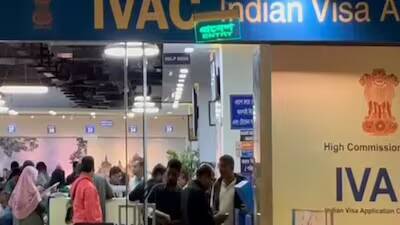
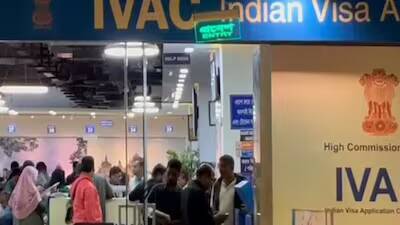
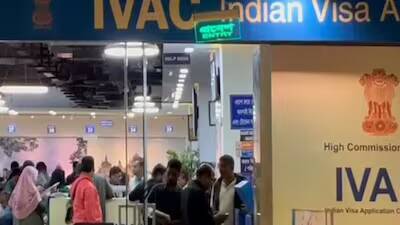
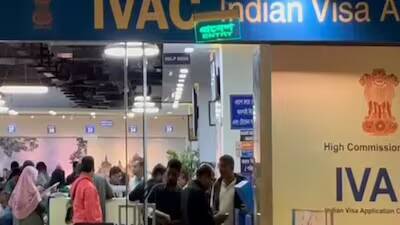
The Indian visa centre in Dhaka, the capital city of Bangladesh, resumed its operations on Thursday, a day after it was temporarily shut down due to security concerns. The closure came as a response to the rising tensions between India and Bangladesh, sparked by anti-India protests that saw demonstrators marching towards the Indian High Commission in Dhaka. The protests were fueled by a radical remark made by a Bangladeshi leader, Hasnat Abdullah, against India, which did not go down well with the Indian government.
The situation escalated to the point where the Indian Ministry of External Affairs (MEA) summoned the Bangladesh High Commissioner on Wednesday to express its displeasure over the comment made by Abdullah. The MEA’s move was seen as a strong response to the Bangladeshi leader’s remark, which was perceived as an attack on India’s sovereignty and integrity.
The protests in Dhaka were a manifestation of the growing discontent among certain sections of the Bangladeshi population against India. The demonstrators, who were largely comprised of Islamist groups and opposition party supporters, were seen chanting anti-India slogans and waving placards that criticized India’s policies towards Bangladesh. The protests were peaceful, but the Indian authorities were concerned about the potential for violence and took precautionary measures to ensure the safety of its citizens and diplomatic staff in Dhaka.
The temporary closure of the Indian visa centre in Dhaka was a precautionary measure taken by the Indian government to prevent any potential harm to its citizens and staff. The centre, which is responsible for processing visa applications for Bangladeshi nationals, is a critical facility that caters to the large number of people who travel between the two countries. The closure, although temporary, caused inconvenience to many Bangladeshi nationals who were planning to travel to India for various purposes, including business, education, and tourism.
The resumption of operations at the Indian visa centre in Dhaka is a welcome move, as it will help to normalize the situation and facilitate the travel plans of Bangladeshi nationals. The Indian government’s decision to reopen the centre is a testament to its commitment to maintaining good relations with Bangladesh and ensuring the safety and security of its citizens and diplomatic staff.
The incident, however, highlights the complexities and challenges of the India-Bangladesh relationship. The two countries have a long history of cooperation and friendship, but there are also underlying tensions and disagreements that can flare up at any moment. The radical remark made by Hasnat Abdullah is a case in point, as it reflects the deep-seated resentment and mistrust that some sections of the Bangladeshi population harbor towards India.
To address these challenges and strengthen the India-Bangladesh relationship, it is essential for both countries to engage in open and honest dialogue. The Indian government’s decision to summon the Bangladesh High Commissioner was a step in the right direction, as it sent a strong message that India will not tolerate any attacks on its sovereignty and integrity. At the same time, the Bangladeshi government must also take steps to address the concerns and grievances of its citizens and prevent the spread of anti-India sentiment.
In conclusion, the resumption of operations at the Indian visa centre in Dhaka is a positive development that reflects the Indian government’s commitment to maintaining good relations with Bangladesh. However, the incident also highlights the need for both countries to engage in sustained dialogue and cooperation to address the underlying tensions and challenges that can impact their relationship. By working together and addressing the concerns of each other’s citizens, India and Bangladesh can strengthen their friendship and cooperation, which is essential for the prosperity and stability of the region.
About the Author