India & China Know Struggle with Air Pollution: China Spokesperson
In a remarkable display of solidarity and cooperation, China has acknowledged a shared struggle with India over the pressing issue of air pollution. On Monday, Chinese spokesperson Yu Jing stated, “Both China and India know the struggle with air pollution amid rapid urbanisation.” These words come as a welcome recognition of the common challenges faced by the two nations, and a willingness to collaborate on finding solutions.
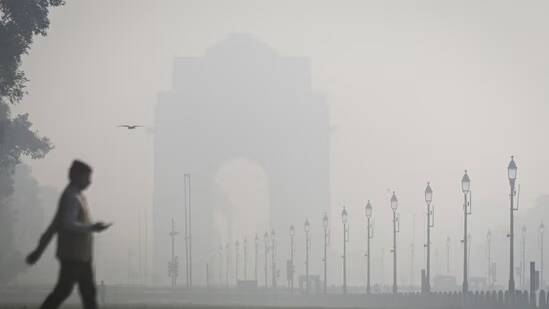
As Delhi’s Air Quality Index (AQI) neared 500, a level considered “severe” by the Indian government, Yu Jing’s remarks took on a sense of urgency. The hazardous air quality in India’s capital city has become a recurring problem, with residents facing serious health risks and disruptions to daily life. Meanwhile, China has also grappled with its own air pollution crisis, particularly in the capital city of Beijing, where smog and particulate matter have become a persistent concern.
Yu Jing’s statement was not just a gesture of goodwill, but also a precursor to a series of initiatives aimed at addressing the air pollution crisis. She announced, “In the coming days, we’ll share a bite-sized series exploring how China tackled air pollution, step by step.” This offer of expertise and experience is a significant development, as China has made notable strides in improving its air quality in recent years.
China’s efforts to combat air pollution have been multifaceted and comprehensive. The government has implemented a range of measures, including stricter emissions standards, increased investment in renewable energy, and the closure of heavily polluting industries. Additionally, China has launched initiatives to promote electric vehicles, improve public transportation, and enhance energy efficiency in buildings.
One of the key strategies employed by China has been the implementation of a national action plan to reduce air pollution. This plan sets specific targets for reducing emissions of key pollutants, such as particulate matter, nitrogen oxides, and volatile organic compounds. The plan also establishes a system of accountability, with regular monitoring and reporting of air quality data, and penalties for non-compliance.
Another important aspect of China’s approach has been the engagement of local communities and stakeholders in the effort to improve air quality. This has involved public awareness campaigns, education programs, and outreach initiatives to encourage individuals and businesses to take action to reduce their environmental impact.
As China shares its experiences and expertise with India, there are several lessons that can be applied to the Indian context. Firstly, the importance of a coordinated and comprehensive approach to addressing air pollution cannot be overstated. This requires the involvement of multiple stakeholders, including government agencies, businesses, and civil society organizations.
Secondly, the need for robust monitoring and reporting systems is critical. Accurate and reliable data on air quality is essential for tracking progress, identifying areas for improvement, and holding polluters accountable.
Thirdly, the promotion of clean technologies and renewable energy sources can play a vital role in reducing emissions and improving air quality. India has already made significant strides in this area, with a growing focus on solar and wind power, and the adoption of electric vehicles.
Finally, the engagement of local communities and stakeholders is crucial for building awareness and support for air pollution mitigation efforts. This can involve public outreach and education programs, as well as initiatives to encourage individuals and businesses to take action to reduce their environmental impact.
In conclusion, the acknowledgement by China of a shared struggle with India over air pollution is a significant development, and a welcome recognition of the common challenges faced by the two nations. As China shares its experiences and expertise with India, there are several lessons that can be applied to the Indian context. By working together and learning from each other’s successes and challenges, India and China can make meaningful progress in addressing the air pollution crisis, and creating a healthier and more sustainable future for their citizens.
About the Author