India & China Know Struggle with Air Pollution: China Spokesperson
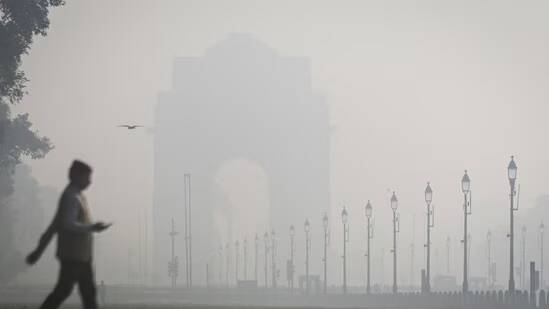
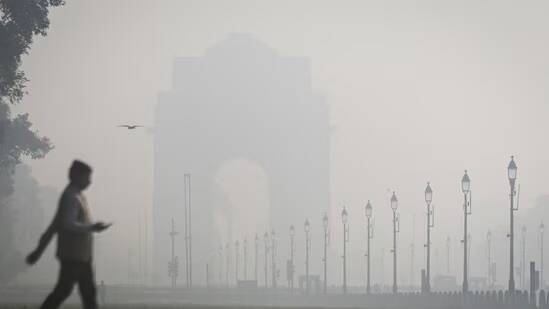
As the air quality in Delhi continues to deteriorate, with the Air Quality Index (AQI) nearing 500, China has acknowledged a shared struggle with India over air pollution. In a recent statement, Chinese spokesperson Yu Jing said, “Both China and India know the struggle with air pollution amid rapid urbanisation.” This acknowledgement comes as a significant admission from China, which has been working to tackle its own air pollution crisis in recent years.
The remarks made by Yu Jing are particularly noteworthy, given the similarities between the two countries’ experiences with air pollution. Both India and China have undergone rapid urbanization and industrialization, which has led to a significant increase in air pollution. The burning of fossil fuels, industrial activities, and vehicular emissions have all contributed to the deteriorating air quality in both countries.
Yu Jing’s statement also hints at a willingness to share knowledge and expertise between the two countries. She added, “In the coming days, we’ll share a bite-sized series exploring how China tackled air pollution, step by step.” This offer of assistance and guidance from China could be a valuable resource for India, which is struggling to combat its own air pollution crisis.
The air pollution crisis in India is a pressing concern, with the capital city of Delhi being one of the most polluted cities in the world. The city’s AQI has been consistently high, with levels often exceeding 400. This has serious implications for the health and well-being of Delhi’s residents, with air pollution being linked to a range of health problems, including respiratory diseases, cardiovascular disease, and even cancer.
China, on the other hand, has made significant progress in tackling its own air pollution crisis. In recent years, the Chinese government has implemented a range of measures to reduce pollution, including the closure of polluting factories, the promotion of clean energy, and the implementation of stricter emissions standards. These efforts have led to a noticeable improvement in air quality in cities such as Beijing, which was once considered one of the most polluted cities in the world.
One of the key strategies that China has employed to tackle air pollution is the use of data-driven approaches. The Chinese government has invested heavily in the development of air quality monitoring systems, which provide real-time data on air pollution levels. This data is then used to inform policy decisions and to identify areas where pollution is most severe. China has also implemented a range of measures to reduce emissions from vehicles, including the promotion of electric and hybrid vehicles, and the implementation of stricter emissions standards.
Another approach that China has taken is to promote the use of clean energy. The Chinese government has set ambitious targets for the development of renewable energy, including wind and solar power. This has led to a significant increase in the use of clean energy, which has helped to reduce dependence on fossil fuels and lower emissions.
In addition to these measures, China has also implemented a range of policies to reduce pollution from industrial activities. This includes the closure of polluting factories, and the implementation of stricter emissions standards for industrial facilities. China has also promoted the use of clean technologies, such as pollution control equipment, to reduce emissions from industrial activities.
As India struggles to combat its own air pollution crisis, it would do well to learn from China’s experiences. The offer of assistance and guidance from China could be a valuable resource, providing India with access to expertise and knowledge that could help to inform policy decisions. By working together, the two countries could share best practices and strategies for tackling air pollution, and could work towards a common goal of improving air quality and protecting public health.
In conclusion, the acknowledgement by China of a shared struggle with India over air pollution is a significant development. The offer of assistance and guidance from China could be a valuable resource for India, which is struggling to combat its own air pollution crisis. By learning from China’s experiences and sharing knowledge and expertise, the two countries could work together to tackle the pressing issue of air pollution, and to improve air quality and protect public health.
About the Author