India & China Know Struggle with Air Pollution: China Spokesperson
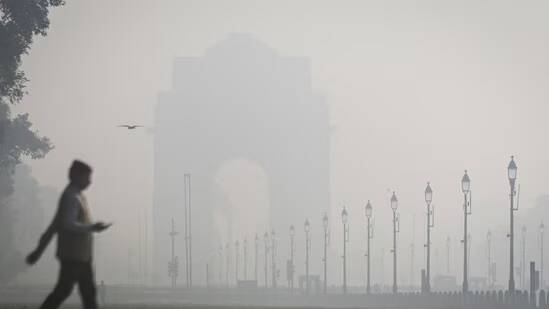
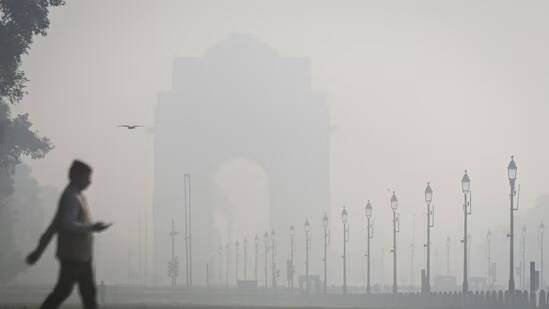
The issue of air pollution has become a pressing concern for many countries around the world, with India and China being two of the most affected nations. The rapid urbanization and industrialization in these countries have led to a significant increase in air pollution, posing serious health risks to their citizens. Recently, China acknowledged the shared struggle with India over air pollution, with Chinese spokesperson Yu Jing stating, “Both China and India know the struggle with air pollution amid rapid urbanisation.” This statement came as Delhi’s Air Quality Index (AQI) neared 500, highlighting the severity of the problem.
The air pollution crisis in India, particularly in the national capital Delhi, has been a longstanding issue. The city’s poor air quality has been attributed to a combination of factors, including vehicular emissions, industrial pollution, and agricultural burning. The situation is exacerbated during the winter months when the air is colder and more stagnant, trapping pollutants and making the air even more hazardous to breathe. The Indian government has implemented various measures to tackle the issue, including the odd-even traffic rule, ban on construction activities, and penalties for polluters. However, despite these efforts, the air quality in Delhi remains a major concern.
China, on the other hand, has made significant strides in tackling its air pollution problem. In recent years, the Chinese government has implemented a series of measures to reduce pollution, including the closure of polluting factories, promotion of clean energy, and implementation of stricter emissions standards. These efforts have led to a noticeable improvement in air quality in many Chinese cities, including Beijing. The Chinese government has also invested heavily in clean energy technologies, such as solar and wind power, and has set ambitious targets to reduce its carbon emissions.
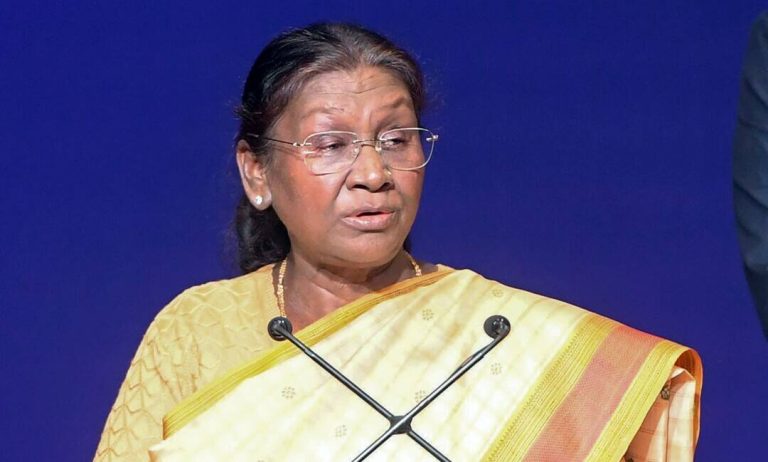
In light of China’s experience in tackling air pollution, Yu Jing announced that China will share its expertise with India in the coming days. “In the coming days, we’ll share a bite-sized series exploring how China tackled air pollution, step by step,” she said. This offer of assistance is significant, as it reflects China’s willingness to cooperate with India on a critical issue that affects the health and well-being of millions of people. By sharing its expertise and experience, China can help India learn from its successes and mistakes, and develop effective strategies to tackle its own air pollution problem.
One of the key lessons that India can learn from China’s experience is the importance of taking a comprehensive and coordinated approach to tackling air pollution. In China, the government has established a national framework for air pollution control, which includes setting emissions standards, monitoring air quality, and enforcing penalties for polluters. This framework has been instrumental in driving improvements in air quality, and has helped to reduce the number of premature deaths related to air pollution.
Another important lesson that India can learn from China is the need to invest in clean energy technologies. China has made significant investments in solar and wind power, and has set ambitious targets to reduce its carbon emissions. This has not only helped to improve air quality but has also driven economic growth and created new jobs. India can follow a similar path, by investing in clean energy technologies and promoting their use in industries and households.
In addition to these lessons, India can also learn from China’s experience in implementing specific measures to reduce pollution. For example, China has implemented a system of congestion charging in some cities, which has helped to reduce traffic congestion and decrease emissions. India can consider implementing similar measures, such as a congestion charge or a low-emission zone, to reduce pollution in its cities.
In conclusion, the acknowledgement by China of the shared struggle with India over air pollution is a significant development. It reflects a willingness to cooperate and share expertise on a critical issue that affects the health and well-being of millions of people. By learning from China’s experience and implementing effective strategies to tackle air pollution, India can improve the air quality in its cities and reduce the risks to public health. As Yu Jing said, “Both China and India know the struggle with air pollution amid rapid urbanisation.” It is time for both countries to work together to find solutions to this pressing problem.
About the Author