India & China Know Struggle with Air Pollution: China Spokesperson
The issue of air pollution has been a persistent problem in many countries around the world, with India and China being two of the most affected nations. The rapid urbanization and industrialization in these countries have led to a significant increase in air pollution, posing serious health risks to their citizens. Recently, China acknowledged the shared struggle with India over air pollution, with Chinese spokesperson Yu Jing stating, “Both China and India know the struggle with air pollution amid rapid urbanisation.” This statement comes as a welcome acknowledgment of the common challenge faced by the two countries, and it is expected that China will share its experiences and strategies in tackling air pollution in the coming days.
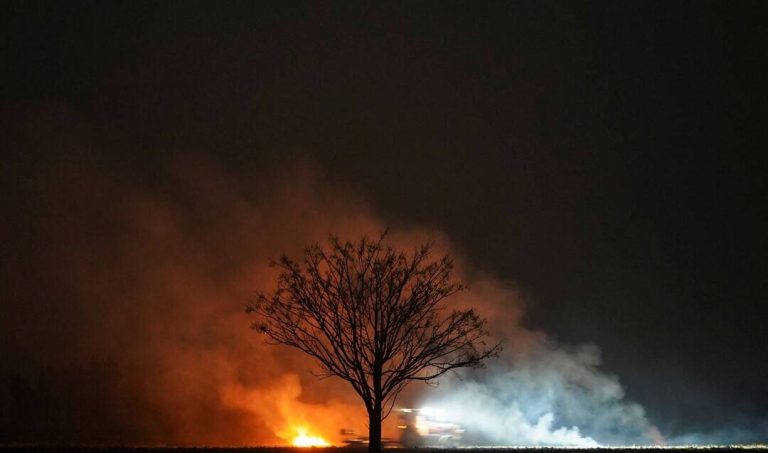
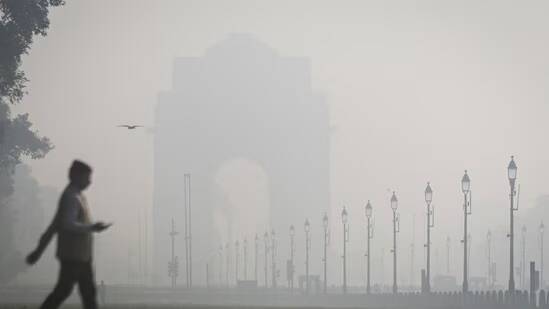
The remarks by the Chinese spokesperson are particularly relevant given the current air quality crisis in Delhi, where the Air Quality Index (AQI) has been hovering near 500, indicating severely polluted air. The city’s residents have been struggling with the hazardous air quality, with many suffering from respiratory problems and other health issues. The situation is not unique to Delhi, as many other cities in India are also grappling with similar air pollution problems.
China, on the other hand, has been actively working to address its air pollution problem, with significant investments in clean energy, emission reduction technologies, and stricter regulations on polluting industries. The country has made notable progress in reducing its air pollution levels, particularly in cities like Beijing, which was once considered one of the most polluted cities in the world. China’s efforts to tackle air pollution have been driven by a combination of government policies, technological innovations, and public awareness campaigns.
According to Yu Jing, China will share its experiences and strategies in tackling air pollution through a series of bite-sized articles, which will provide insights into the steps taken by the country to address this complex issue. This sharing of knowledge and best practices can be extremely valuable for India, which is still struggling to find effective solutions to its air pollution problem. By learning from China’s experiences, India can accelerate its own efforts to reduce air pollution and improve the health and well-being of its citizens.
One of the key strategies that China has employed to tackle air pollution is the promotion of clean energy sources, such as solar and wind power. The country has invested heavily in renewable energy, with a goal of generating at least 20% of its electricity from non-fossil fuel sources by 2030. China has also implemented policies to encourage the use of electric vehicles, which are expected to play a significant role in reducing air pollution in urban areas.
Another important aspect of China’s approach to tackling air pollution is the implementation of stricter regulations on polluting industries. The country has introduced tougher emission standards for power plants, industrial facilities, and vehicles, which has helped to reduce the amount of pollutants released into the air. China has also launched a nationwide campaign to crack down on polluting industries, with inspections and penalties for non-compliant companies.
In addition to these measures, China has also launched public awareness campaigns to educate citizens about the dangers of air pollution and the importance of taking action to reduce their exposure to polluted air. The government has also invested in air quality monitoring systems, which provide real-time data on air pollution levels, enabling citizens to take necessary precautions to protect their health.
As India struggles to address its own air pollution problem, it can learn valuable lessons from China’s experiences. By adopting similar strategies, such as promoting clean energy sources, implementing stricter regulations on polluting industries, and launching public awareness campaigns, India can make significant progress in reducing its air pollution levels. The sharing of knowledge and best practices between the two countries can help to accelerate the transition to a cleaner and healthier environment, benefiting the citizens of both nations.
In conclusion, the acknowledgment by China of the shared struggle with India over air pollution is a significant step forward in addressing this critical issue. The willingness of China to share its experiences and strategies in tackling air pollution can provide valuable insights and lessons for India, which is still grappling with its own air pollution problem. As the two countries work together to address this common challenge, they can learn from each other’s strengths and weaknesses, and develop more effective solutions to reduce air pollution and improve the health and well-being of their citizens.
About the Author