India & China Know Struggle with Air Pollution: China Spokesperson
In a recent statement, Chinese spokesperson Yu Jing acknowledged that both China and India face a common challenge in tackling air pollution, particularly in the context of rapid urbanization. This acknowledgment comes at a time when Delhi’s Air Quality Index (AQI) has been hovering near 500, posing severe health risks to its residents. The Chinese government has offered to share its experiences and strategies in addressing air pollution, with Yu Jing promising a “bite-sized series” that will explore how China tackled the issue step by step.
The struggle with air pollution is a pressing concern for both India and China, two of the world’s most populous countries. As their economies continue to grow, the demand for energy and industrial production has increased, leading to a significant rise in air pollutants. The consequences of air pollution are far-reaching, ranging from respiratory problems and cardiovascular diseases to premature deaths and economic losses.
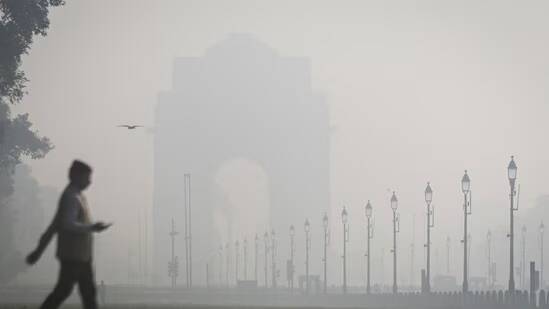
In India, the capital city of Delhi has been particularly affected by air pollution. The city’s AQI has been consistently high, often exceeding the safe limits set by the World Health Organization (WHO). The main causes of air pollution in Delhi include vehicular emissions, industrial activities, and the burning of biomass and waste. The situation is exacerbated by the city’s geography, with the surrounding Himalayan mountains trapping pollutants and preventing them from dispersing.
China, on the other hand, has made significant strides in addressing air pollution in recent years. The Chinese government has implemented a range of measures, including the closure of polluting factories, the promotion of clean energy, and the implementation of stricter emission standards. Beijing, the capital city of China, has seen a notable improvement in air quality, with the AQI decreasing by over 40% since 2013.
The Chinese government’s efforts to tackle air pollution have been driven by a combination of factors, including public pressure, economic concerns, and environmental awareness. The government has invested heavily in clean energy technologies, such as solar and wind power, and has implemented policies to encourage the use of electric and hybrid vehicles. Additionally, China has established a network of air quality monitoring stations, providing real-time data on pollution levels and enabling targeted interventions.
In the coming days, the Chinese government plans to share its experiences and strategies in addressing air pollution through a series of articles and case studies. This initiative is expected to provide valuable insights and lessons for India and other countries struggling with air pollution. By sharing its successes and challenges, China hopes to contribute to a global effort to reduce air pollution and promote sustainable development.
The collaboration between India and China on air pollution is a significant development, given the two countries’ shared experiences and challenges. By working together, they can leverage each other’s strengths and expertise to develop effective solutions to this pressing problem. The exchange of ideas and best practices can help to accelerate progress, drive innovation, and promote a cleaner and healthier environment for all.
In conclusion, the acknowledgment by the Chinese government of a shared struggle with India over air pollution is a welcome step towards greater cooperation and collaboration. As the world’s two most populous countries, India and China have a critical role to play in addressing the global challenge of air pollution. By sharing their experiences and strategies, they can help to promote a cleaner and more sustainable future for all. The series of articles and case studies promised by the Chinese government is eagerly awaited, and it is hoped that it will provide valuable insights and lessons for India and other countries struggling with air pollution.
About the Author