India & China Know Struggle with Air Pollution: China Spokesperson
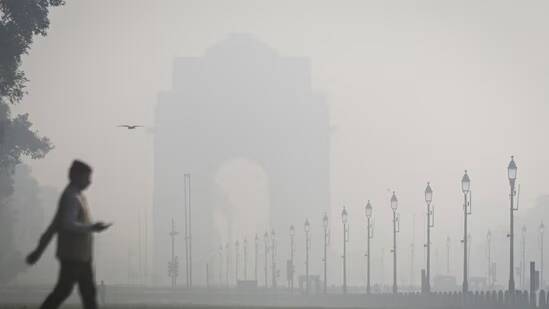
The issue of air pollution has become a pressing concern for many countries around the world, with India and China being two of the most affected nations. The rapid urbanization and industrialization in these countries have led to a significant increase in air pollution, posing serious health risks to their citizens. Recently, China acknowledged the shared struggle with India over air pollution, with Chinese spokesperson Yu Jing stating, “Both China and India know the struggle with air pollution amid rapid urbanisation.” This acknowledgment comes as Delhi’s Air Quality Index (AQI) neared 500, highlighting the severity of the issue.
The problem of air pollution is not new to India and China. Both countries have been struggling with this issue for decades, with the situation worsening over the years. The main causes of air pollution in these countries are the increasing number of vehicles on the road, the rapid growth of industries, and the lack of effective waste management systems. The burning of fossil fuels, such as coal and petroleum, also contributes significantly to air pollution. The pollutants emitted by these sources, including particulate matter, nitrogen oxides, and sulfur dioxide, can cause serious health problems, including respiratory diseases, cardiovascular diseases, and even cancer.
In recent years, the Indian government has taken several steps to address the issue of air pollution. The government has introduced policies to promote the use of clean energy, such as solar and wind power, and has set targets to reduce greenhouse gas emissions. The government has also launched initiatives to improve the public transport system, encouraging people to use eco-friendly modes of transportation. However, despite these efforts, the problem of air pollution persists, and the situation in Delhi and other major cities remains critical.
China, on the other hand, has made significant progress in tackling air pollution in recent years. The Chinese government has implemented a series of measures to reduce pollution, including the closure of polluting factories, the promotion of clean energy, and the introduction of stricter emission standards. The government has also invested heavily in the development of electric and hybrid vehicles, with the aim of reducing the number of polluting vehicles on the road. As a result, the air quality in Chinese cities, including Beijing, has shown significant improvement in recent years.
In light of China’s experience in tackling air pollution, the Chinese spokesperson, Yu Jing, has offered to share tips with India on how to address the issue. “In the coming days, we’ll share a bite-sized series exploring how China tackled air pollution, step by step,” she said. This offer of assistance is a welcome move, as it can provide valuable insights and lessons for India in its own efforts to tackle air pollution.
One of the key steps that China has taken to tackle air pollution is the introduction of stricter emission standards for industries and vehicles. The Chinese government has set limits on the amount of pollutants that can be emitted by factories and vehicles, and has imposed penalties on those that exceed these limits. This has led to a significant reduction in pollution from these sources. China has also invested in the development of clean energy technologies, such as solar and wind power, and has promoted the use of electric and hybrid vehicles.
Another important step that China has taken is the improvement of its public transport system. The Chinese government has invested heavily in the development of modern and efficient public transport systems, including buses, trains, and subways. This has encouraged people to use public transport, reducing the number of private vehicles on the road and thereby decreasing pollution.
In addition to these measures, China has also taken steps to reduce waste and promote recycling. The government has introduced policies to encourage the recycling of waste, and has invested in the development of modern waste management facilities. This has led to a significant reduction in the amount of waste that is sent to landfills, and has helped to minimize the environmental impact of waste disposal.
In conclusion, the issue of air pollution is a pressing concern for both India and China. While both countries have made efforts to address this issue, there is still much work to be done. China’s experience in tackling air pollution offers valuable lessons for India, and the offer of assistance from the Chinese spokesperson is a welcome move. By sharing tips and best practices, China can help India to tackle its own air pollution crisis, and to improve the health and well-being of its citizens.
As Delhi’s AQI continues to worsen, it is imperative that the Indian government takes immediate action to address the issue of air pollution. This can include the introduction of stricter emission standards, the promotion of clean energy, and the improvement of the public transport system. The government can also learn from China’s experience in reducing waste and promoting recycling, and can invest in the development of modern waste management facilities.
Ultimately, the struggle against air pollution requires a collective effort from governments, industries, and citizens. By working together and sharing knowledge and expertise, we can create a cleaner, healthier, and more sustainable environment for future generations.
About the Author