India & China know struggle with air pollution: China Spokesperson
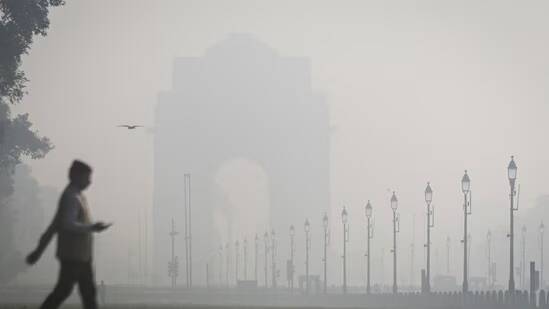
The issue of air pollution has become a pressing concern for many countries around the world, with India and China being two of the most affected nations. The rapid urbanization and industrialization in these countries have led to a significant increase in air pollution, posing serious health risks to their citizens. Recently, China acknowledged the shared struggle with India over air pollution, with Chinese spokesperson Yu Jing stating, “Both China and India know the struggle with air pollution amid rapid urbanisation.” This statement comes as Delhi’s Air Quality Index (AQI) neared 500, highlighting the severity of the problem.
The air pollution crisis in India, particularly in the national capital Delhi, has been a longstanding issue. The city’s AQI has consistently been one of the worst in the world, with high levels of particulate matter, nitrogen dioxide, and other pollutants in the air. This has led to a range of health problems, including respiratory issues, cardiovascular disease, and even premature death. The situation is similar in China, where cities like Beijing and Shanghai have struggled with air pollution for years.
However, in recent years, China has made significant efforts to tackle the issue of air pollution. The country has implemented a range of measures, including increasing the use of renewable energy, reducing emissions from industries, and promoting the use of electric vehicles. These efforts have shown positive results, with many Chinese cities seeing a significant improvement in air quality.
In light of China’s experience, Yu Jing announced that China will share its expertise with India in tackling air pollution. “In the coming days, we’ll share a bite-sized series exploring how China tackled air pollution, step by step,” she said. This offer of assistance is a welcome move, as India can learn from China’s successes and challenges in addressing the issue.
One of the key strategies that China has employed to tackle air pollution is the use of technology. The country has developed advanced systems for monitoring air quality, which have enabled authorities to track pollution levels in real-time and take swift action to address the problem. China has also invested heavily in renewable energy, with a focus on solar and wind power. This has helped to reduce the country’s reliance on fossil fuels and lower emissions.
Another approach that China has taken is to implement strict regulations on industries that are major polluters. The country has introduced tough emission standards for factories and power plants, and has also imposed penalties on those that fail to comply. Additionally, China has promoted the use of electric vehicles, with incentives for consumers and investments in charging infrastructure.
India can learn from these strategies and adapt them to its own context. For example, the Indian government could invest in advanced air quality monitoring systems, which would enable authorities to track pollution levels and take targeted action. The government could also promote the use of renewable energy, such as solar and wind power, to reduce the country’s reliance on fossil fuels.
Furthermore, India could implement stricter regulations on industries that are major polluters. This could include introducing tougher emission standards for factories and power plants, as well as imposing penalties on those that fail to comply. The government could also promote the use of electric vehicles, with incentives for consumers and investments in charging infrastructure.
In addition to these measures, India could also learn from China’s experience in promoting public awareness and participation in addressing air pollution. In China, there has been a growing public movement to tackle the issue, with many citizens taking to social media to raise awareness and demand action from authorities. This has helped to build pressure on the government to take stronger action to address the problem.
In conclusion, the issue of air pollution is a shared struggle for India and China, and both countries can learn from each other’s experiences in tackling the problem. China’s offer to share its expertise with India is a welcome move, and India can adapt China’s strategies to its own context. By investing in technology, promoting renewable energy, implementing strict regulations, and promoting public awareness, India can make significant progress in addressing the issue of air pollution.
As Delhi’s AQI continues to hover around 500, it is clear that urgent action is needed to address the problem. The Indian government must take a comprehensive approach to tackling air pollution, which includes addressing the root causes of the problem and promoting sustainable development. With the help of international cooperation and expertise, India can make a significant difference in improving air quality and protecting the health of its citizens.
About the Author