India & China Know Struggle with Air Pollution: China Spokesperson
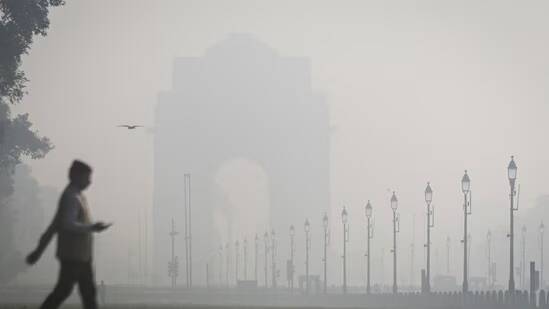
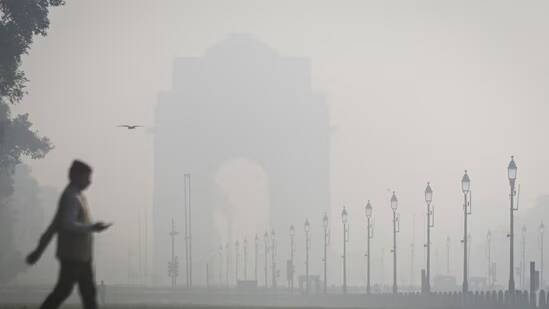
In a rare acknowledgment, China has admitted to sharing a common struggle with India over air pollution. The remarks came at a time when Delhi’s Air Quality Index (AQI) was nearing 500, posing severe health risks to its residents. Chinese spokesperson Yu Jing stated, “Both China and India know the struggle with air pollution amid rapid urbanisation.” This statement highlights the growing concern over air pollution in both countries and the need for collective efforts to address this issue.
The rapid urbanization and industrialization in both India and China have led to a significant increase in air pollution levels. The burning of fossil fuels, emissions from vehicles, and industrial activities have resulted in the release of harmful pollutants into the atmosphere, posing serious health risks to the population. The World Health Organization (WHO) has estimated that air pollution is responsible for approximately 7 million premature deaths worldwide each year, with a significant proportion of these deaths occurring in India and China.
China’s acknowledgment of the shared struggle with India over air pollution is a significant development, as it opens up opportunities for cooperation and knowledge sharing between the two countries. Yu Jing added, “In the coming days, we’ll share a bite-sized series exploring how China tackled air pollution, step by step.” This announcement suggests that China is willing to share its experiences and strategies for addressing air pollution, which could be beneficial for India.
China has made significant progress in reducing air pollution levels in recent years. The country has implemented a range of measures, including the closure of polluting factories, the promotion of clean energy, and the introduction of stricter emissions standards. Beijing, in particular, has seen a significant improvement in air quality, with the city’s AQI decreasing by over 50% in the past few years. These efforts have been driven by a combination of government policies, technological innovations, and public awareness campaigns.
India, on the other hand, is still grappling with severe air pollution levels. Delhi, in particular, has become notorious for its poor air quality, with the city’s AQI often exceeding 500 during the winter months. The Indian government has implemented some measures to address air pollution, including the introduction of cleaner fuels and the promotion of electric vehicles. However, more needs to be done to address the scale and complexity of the problem.
The shared struggle with air pollution between India and China highlights the need for regional cooperation and knowledge sharing. Both countries can learn from each other’s experiences and strategies for addressing air pollution. China’s efforts to reduce air pollution levels have been driven by a combination of government policies, technological innovations, and public awareness campaigns. India can benefit from China’s experiences and implement similar measures to address its own air pollution crisis.
Furthermore, the issue of air pollution is not just a national concern but also a regional and global issue. The transboundary nature of air pollution means that pollutants can travel across borders, affecting not just the local population but also neighboring countries. Therefore, it is essential for countries to work together to address the issue of air pollution and develop common strategies for reducing emissions and improving air quality.
In conclusion, China’s acknowledgment of the shared struggle with India over air pollution is a significant development, as it opens up opportunities for cooperation and knowledge sharing between the two countries. The coming days will see China sharing its experiences and strategies for addressing air pollution, which could be beneficial for India. As both countries continue to grapple with the challenges of air pollution, it is essential for them to work together and develop common strategies for reducing emissions and improving air quality.
About the Author