India & China Know Struggle with Air Pollution: China Spokesperson
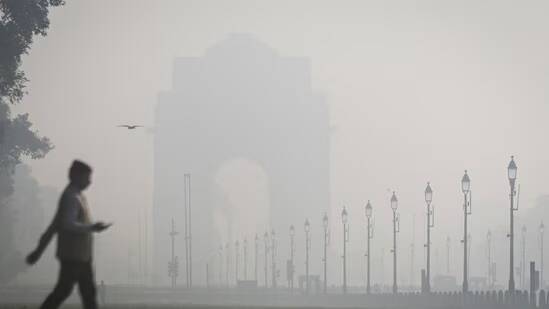
In a surprising acknowledgment, China has admitted that both China and India face a common struggle with air pollution, particularly in the wake of rapid urbanization. This statement comes at a time when Delhi’s Air Quality Index (AQI) has neared 500, posing severe health risks to its inhabitants. Chinese spokesperson Yu Jing said, “Both China and India know the struggle with air pollution amid rapid urbanisation.” She further added that China is willing to share its experiences and strategies in tackling air pollution, stating, “In the coming days, we’ll share a bite-sized series exploring how China tackled air pollution, step by step.”
This statement is significant, as it marks a rare instance of China acknowledging a shared challenge with India, a neighboring country with which it has had a complex relationship. The fact that China is offering to share its expertise in addressing air pollution suggests a willingness to collaborate and learn from each other’s experiences. This development is particularly noteworthy, given the severe air pollution crisis that both countries have been grappling with in recent years.
Delhi, the capital city of India, has been struggling with hazardous air quality, with the AQI often exceeding 400, which is considered “severe” by Indian standards. The city’s poor air quality has been attributed to a combination of factors, including vehicular emissions, industrial pollution, and crop burning in neighboring states. The situation is so dire that the Indian government has been forced to implement emergency measures, such as odd-even traffic restrictions and banning construction activities, to mitigate the pollution.
China, on the other hand, has made significant strides in addressing its own air pollution crisis in recent years. After declaring a “war on pollution” in 2014, China has implemented a range of measures to reduce emissions and improve air quality. These measures include increasing the use of renewable energy sources, such as wind and solar power, and imposing stricter emissions standards on industries and vehicles. China has also invested heavily in clean technologies, such as electric vehicles and green infrastructure, to reduce its reliance on fossil fuels.
One of the key strategies that China has employed to tackle air pollution is the implementation of a nationwide emissions trading system. This system allows companies to buy and sell emissions credits, providing a financial incentive for them to reduce their emissions. China has also established a network of air quality monitoring stations across the country, providing real-time data on air quality and enabling policymakers to track the effectiveness of their pollution control measures.
Another important aspect of China’s approach to addressing air pollution is its emphasis on public participation and awareness-raising. The Chinese government has launched a range of public education campaigns to raise awareness about the health risks associated with air pollution and to promote behavioral change. For example, the government has encouraged people to use public transport, carpool, or use non-motorized vehicles, such as bicycles, to reduce their carbon footprint.
In the context of India’s own struggle with air pollution, China’s offer to share its expertise and experiences is particularly welcome. India can learn from China’s successes and challenges in addressing air pollution, and adapt these lessons to its own unique context. For instance, India could explore the possibility of implementing a nationwide emissions trading system, similar to China’s, to provide a financial incentive for companies to reduce their emissions.
Furthermore, India could benefit from China’s experience in promoting public participation and awareness-raising on air pollution. By launching public education campaigns and encouraging behavioral change, India can reduce the public’s contribution to air pollution and promote a culture of sustainability.
In conclusion, China’s acknowledgment of a shared struggle with India on air pollution is a significant development, marking a rare instance of cooperation and collaboration between the two countries. As China shares its experiences and strategies in tackling air pollution, India can learn valuable lessons and adapt these to its own context. By working together and sharing knowledge, both countries can make progress in addressing the severe air pollution crisis that affects the health and well-being of millions of people.
About the Author